Lligmas
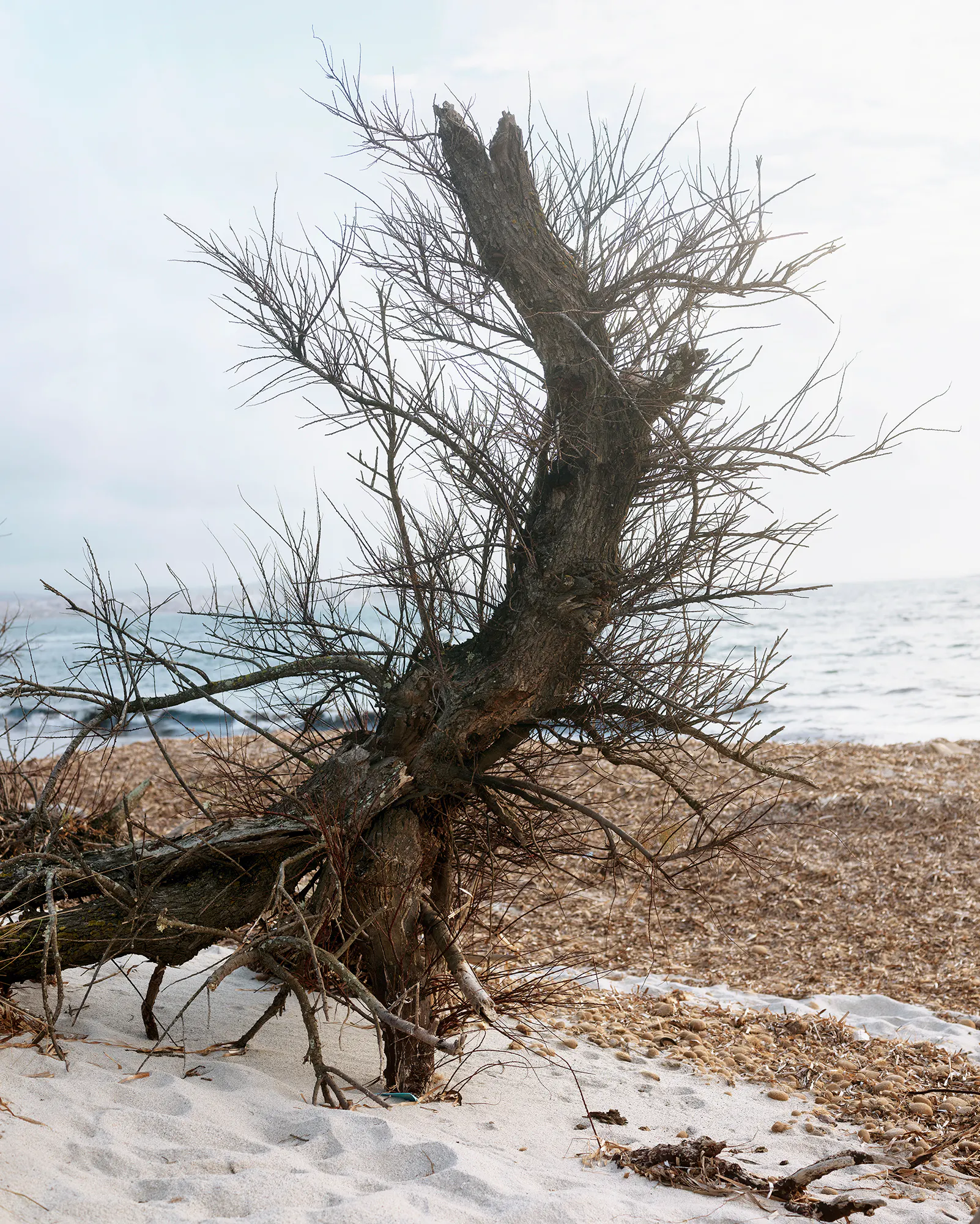
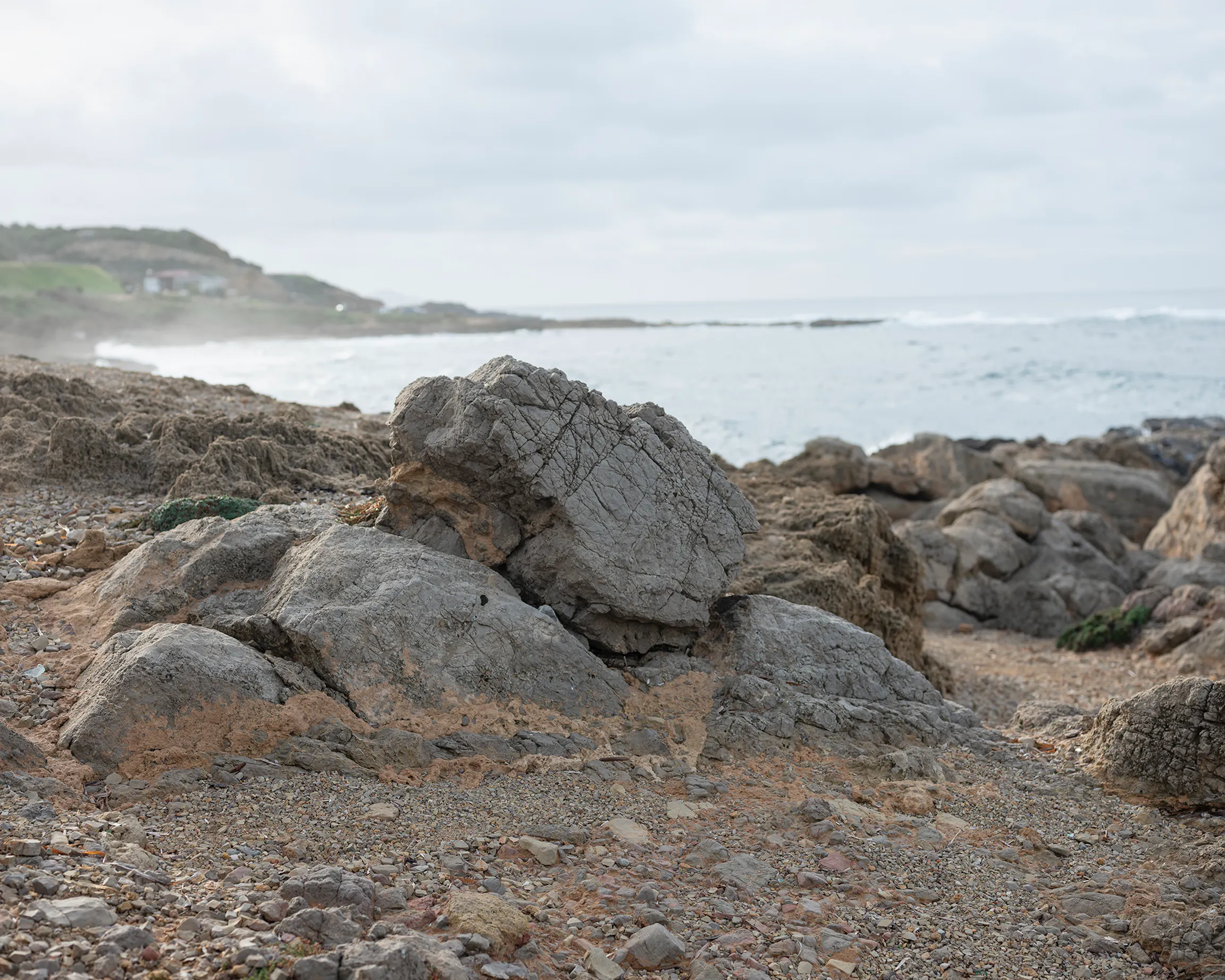
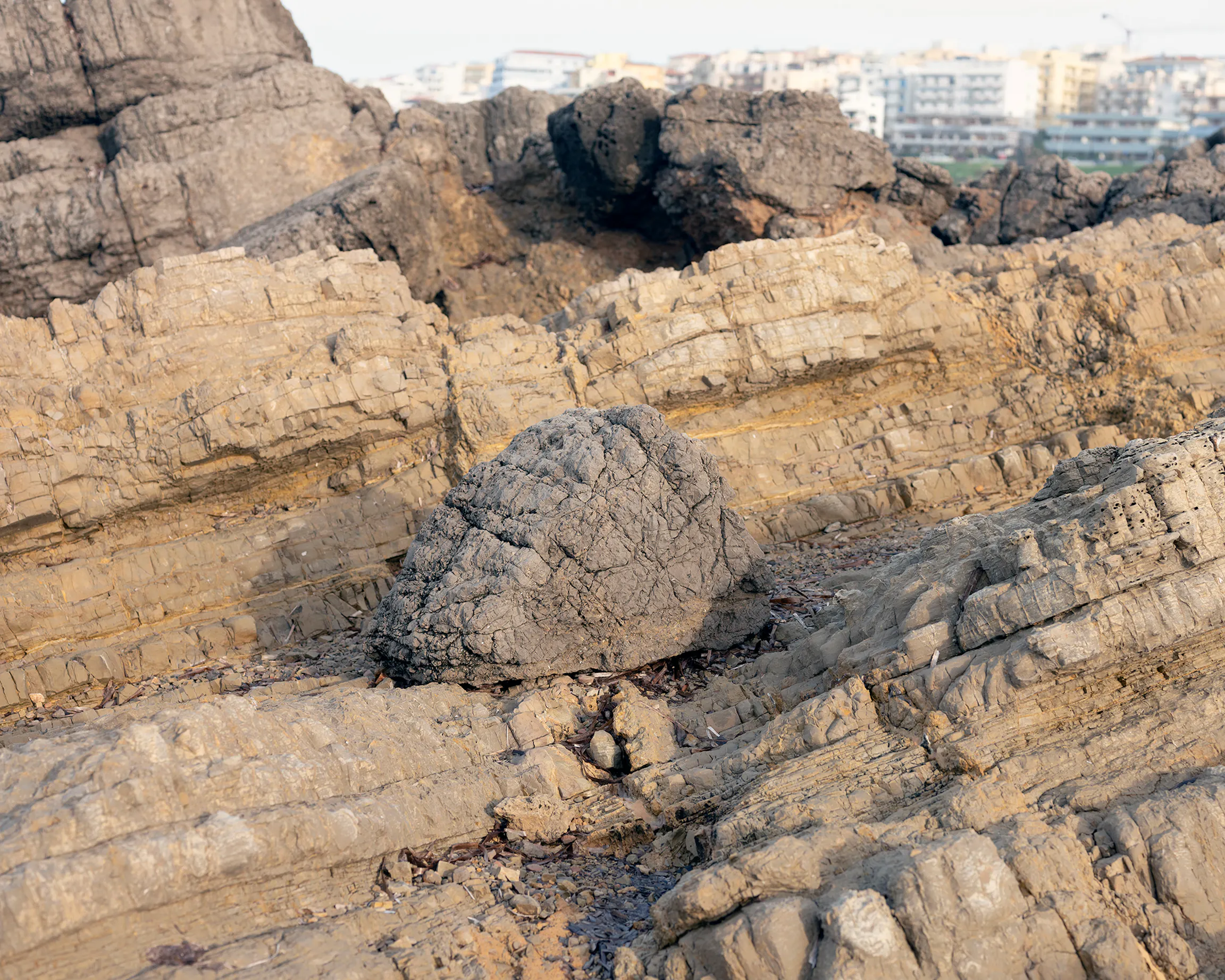
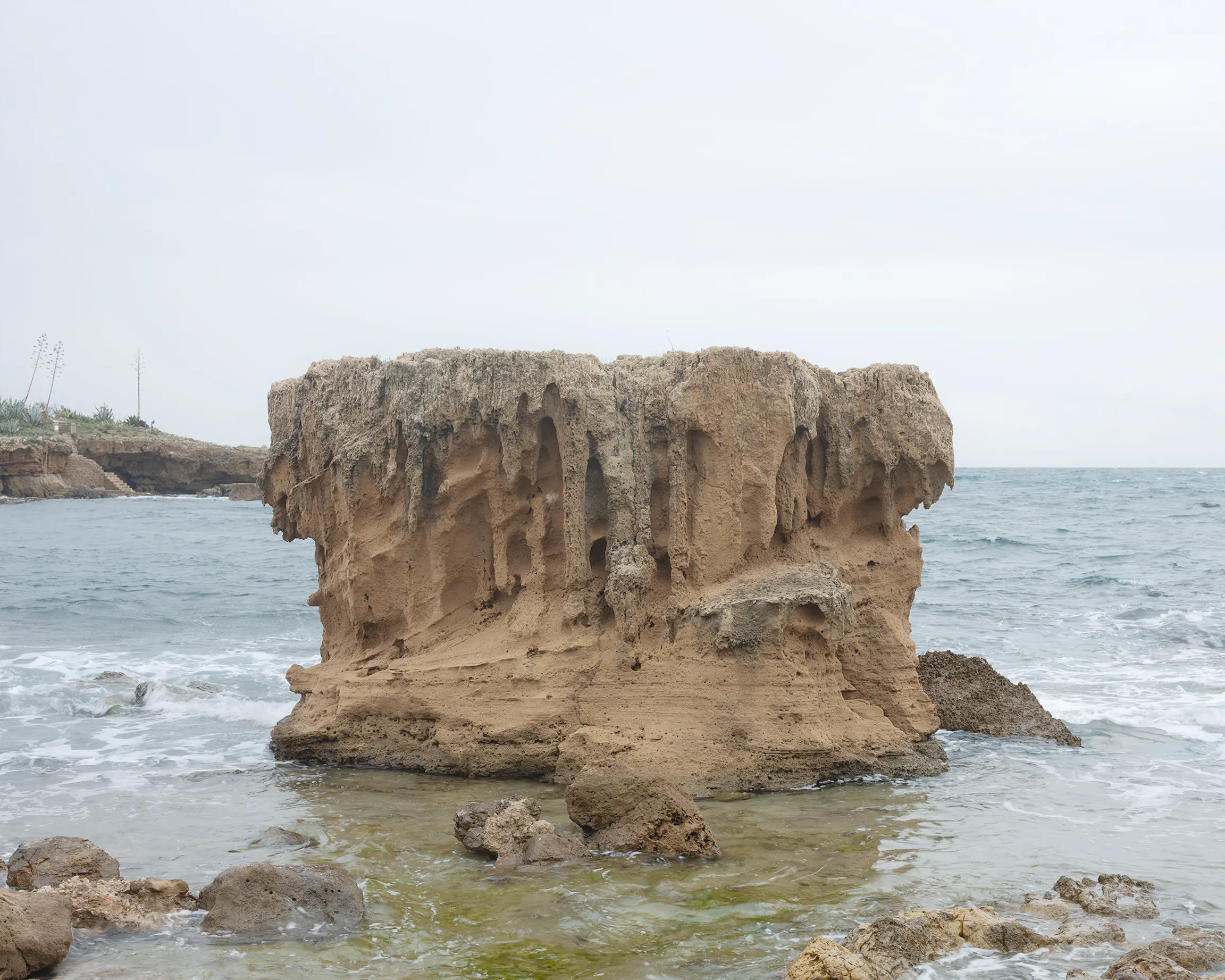
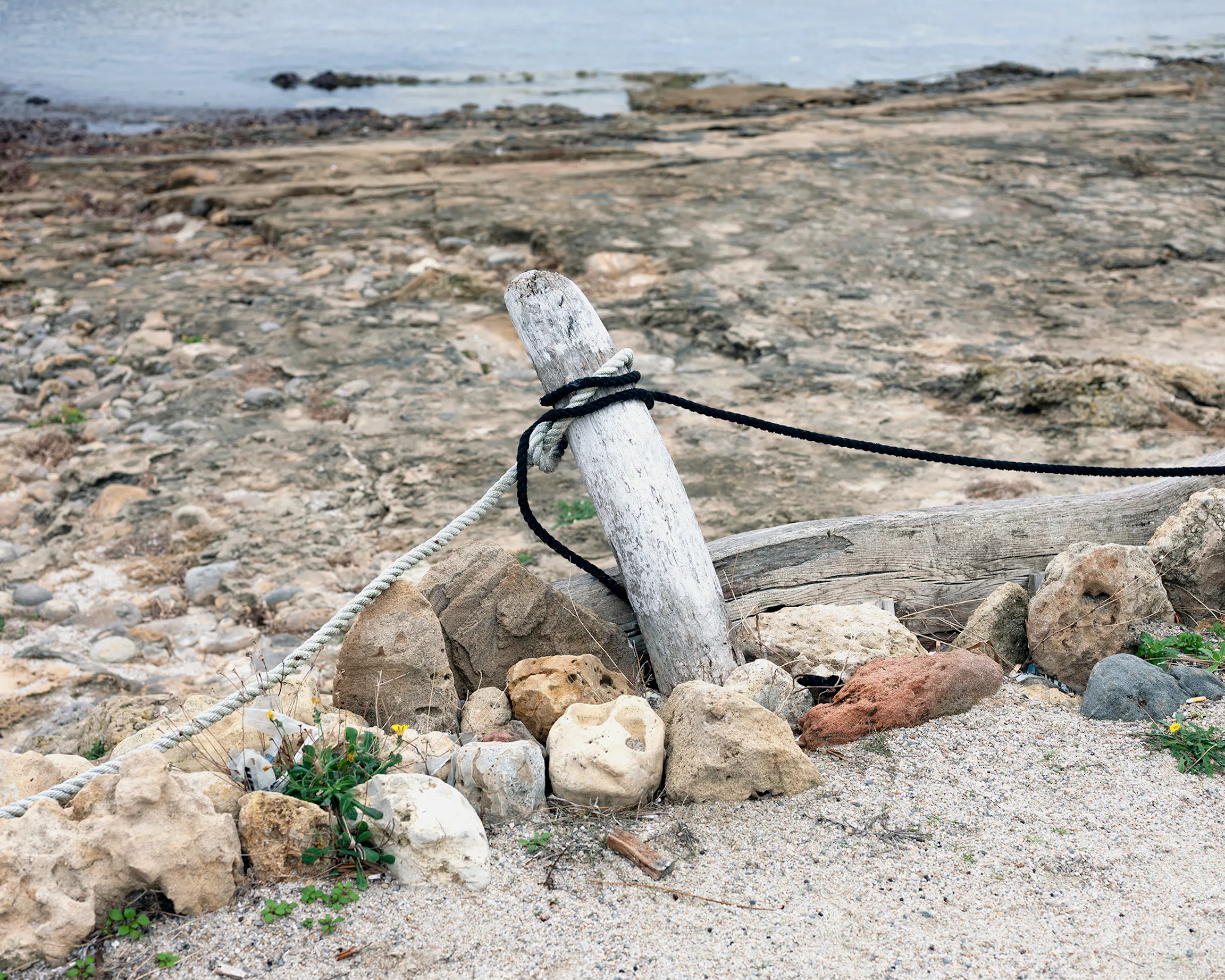
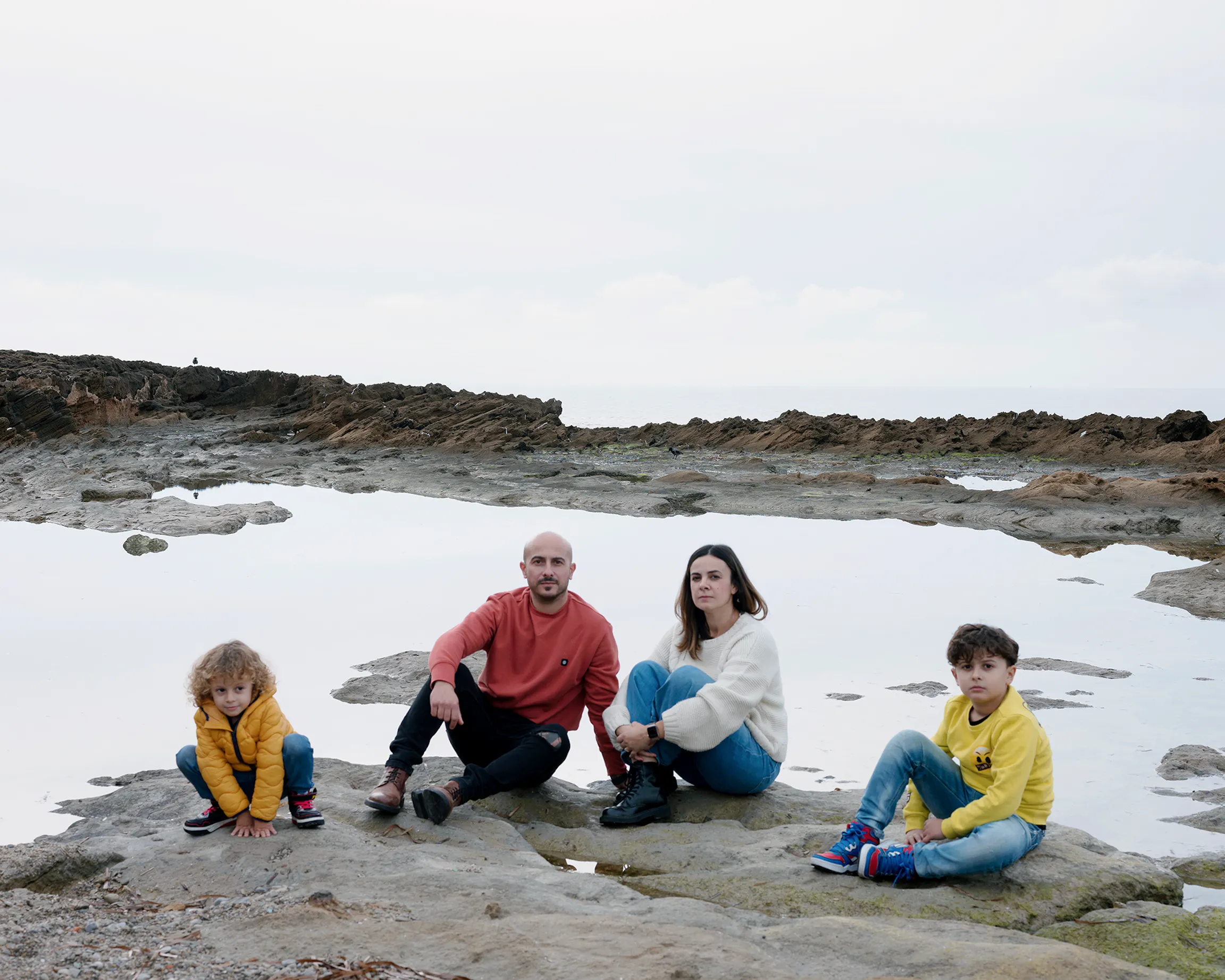
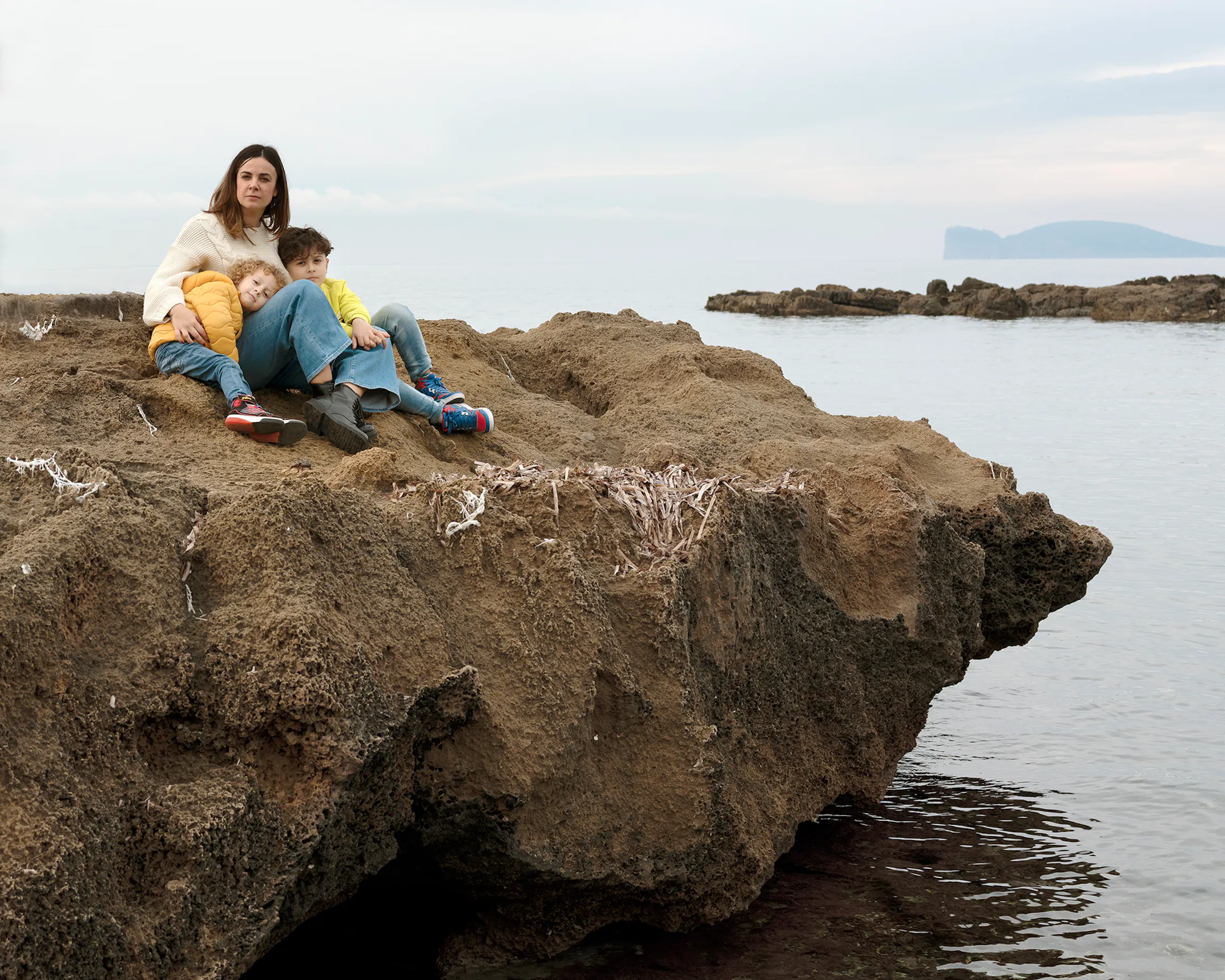
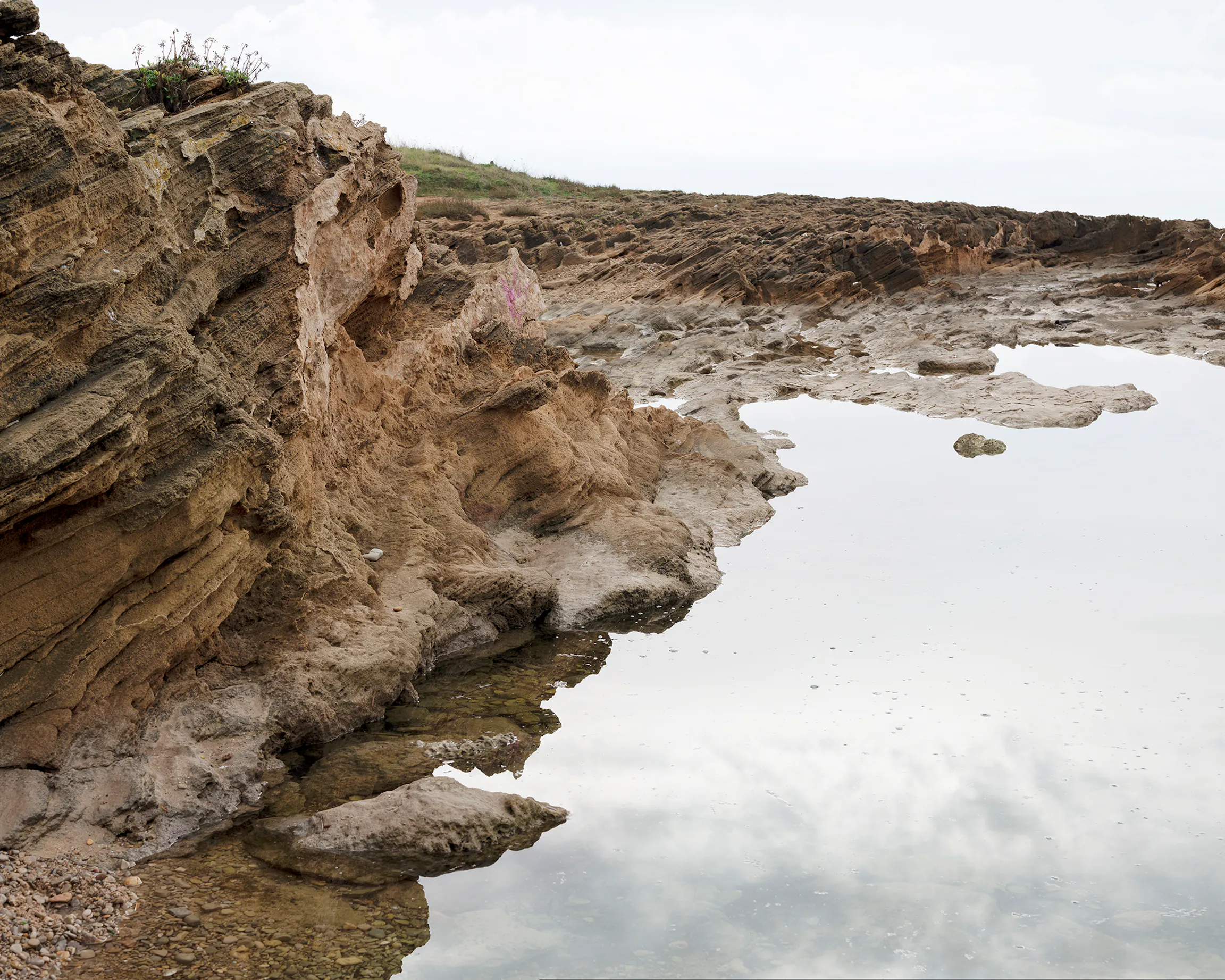
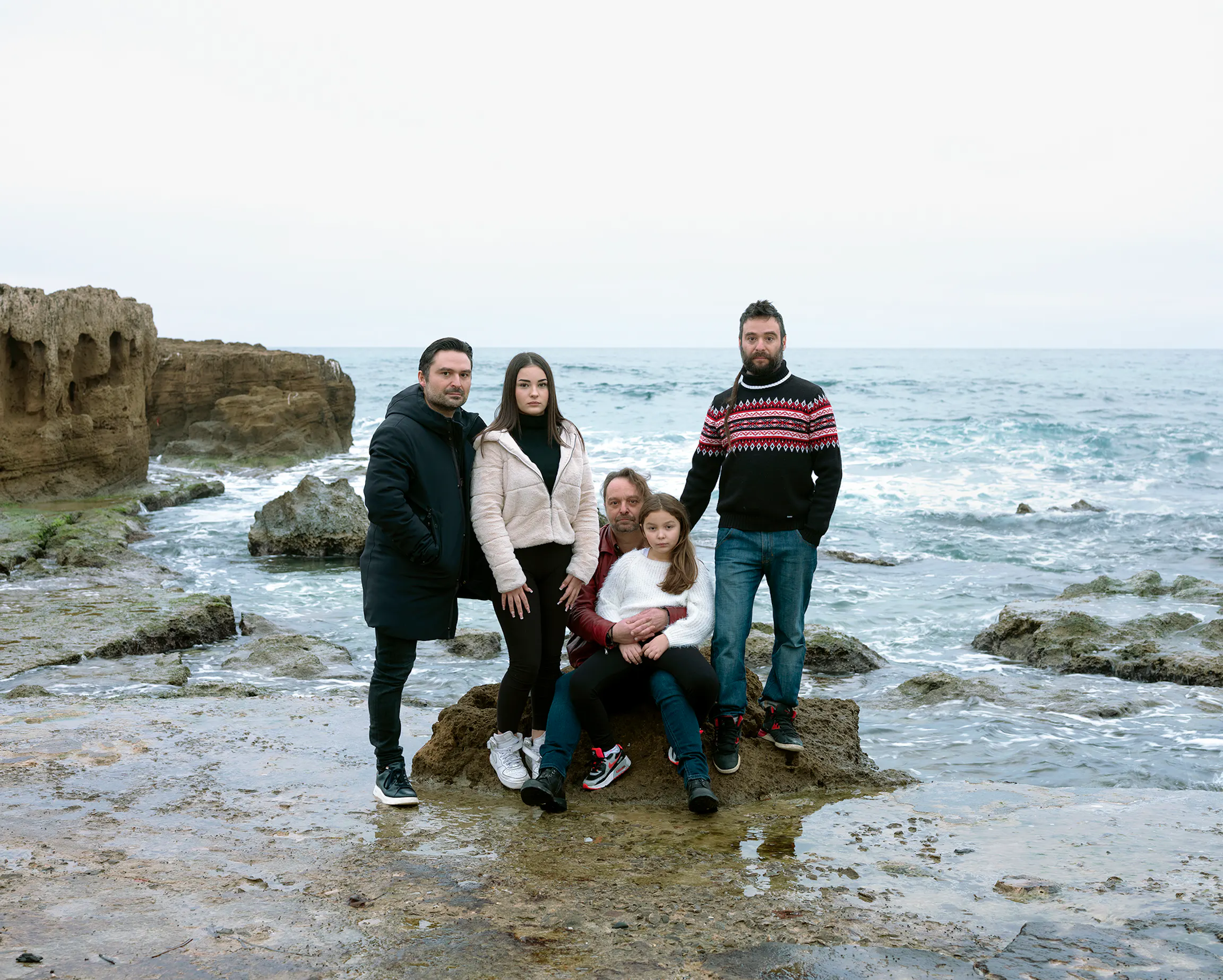
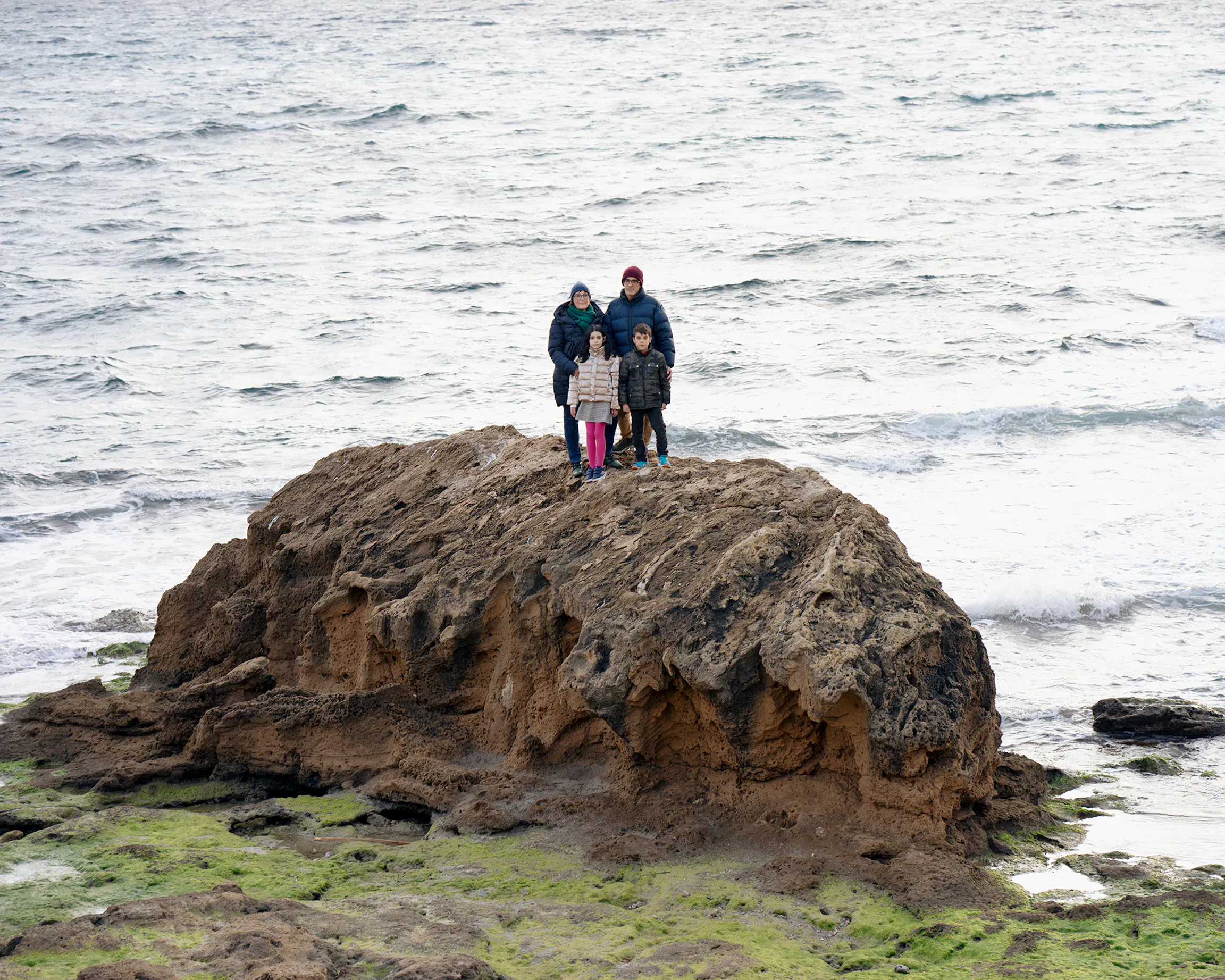
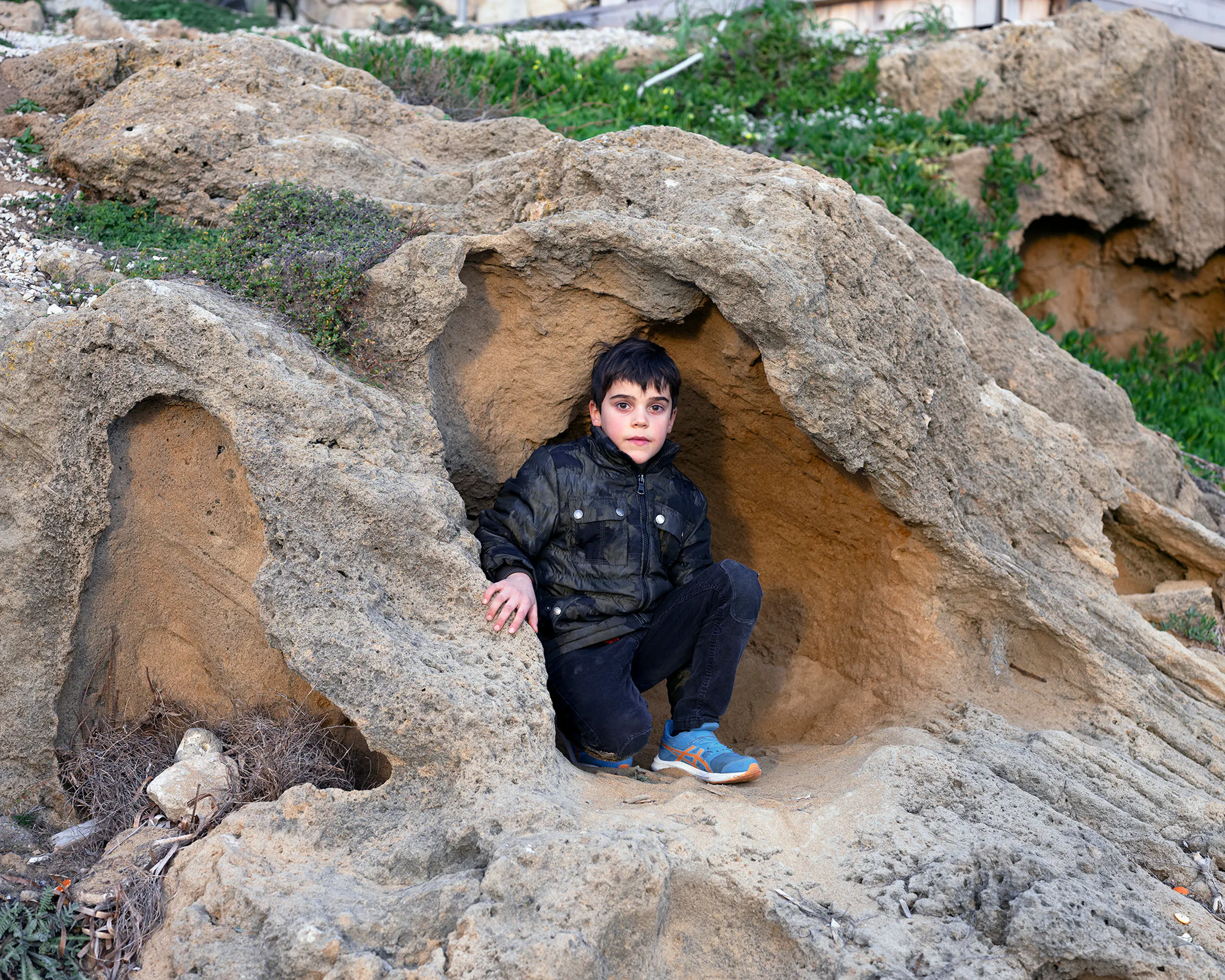
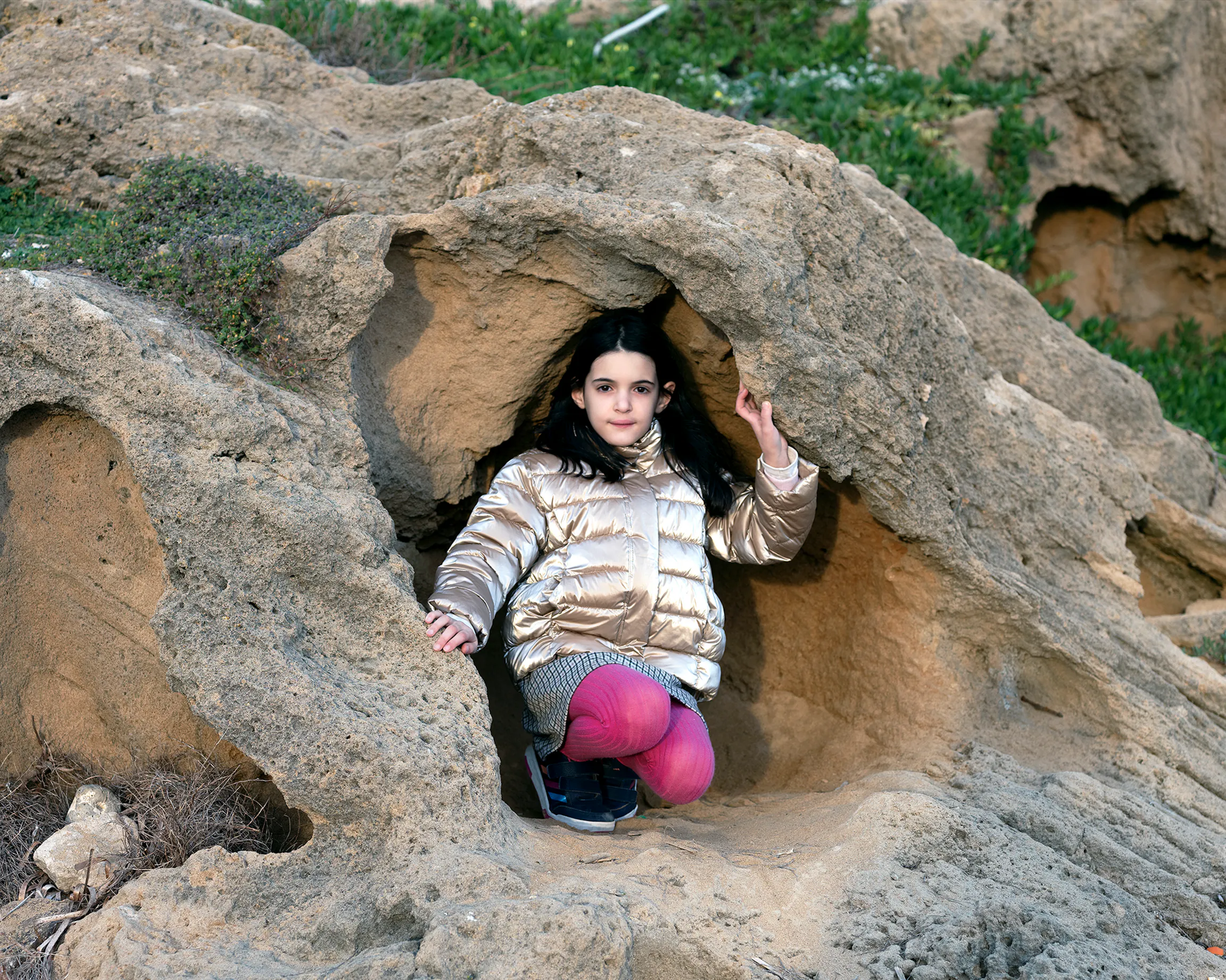
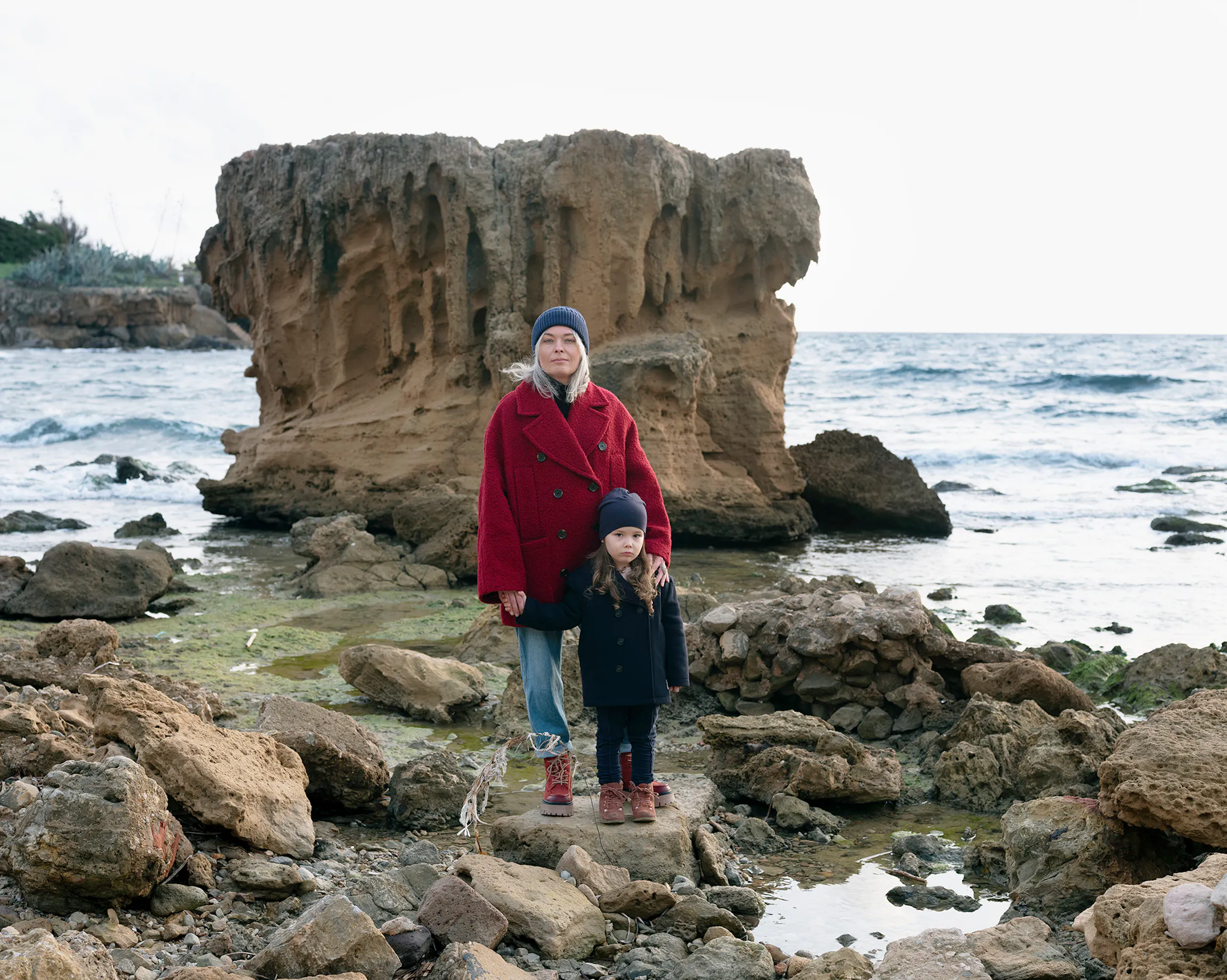
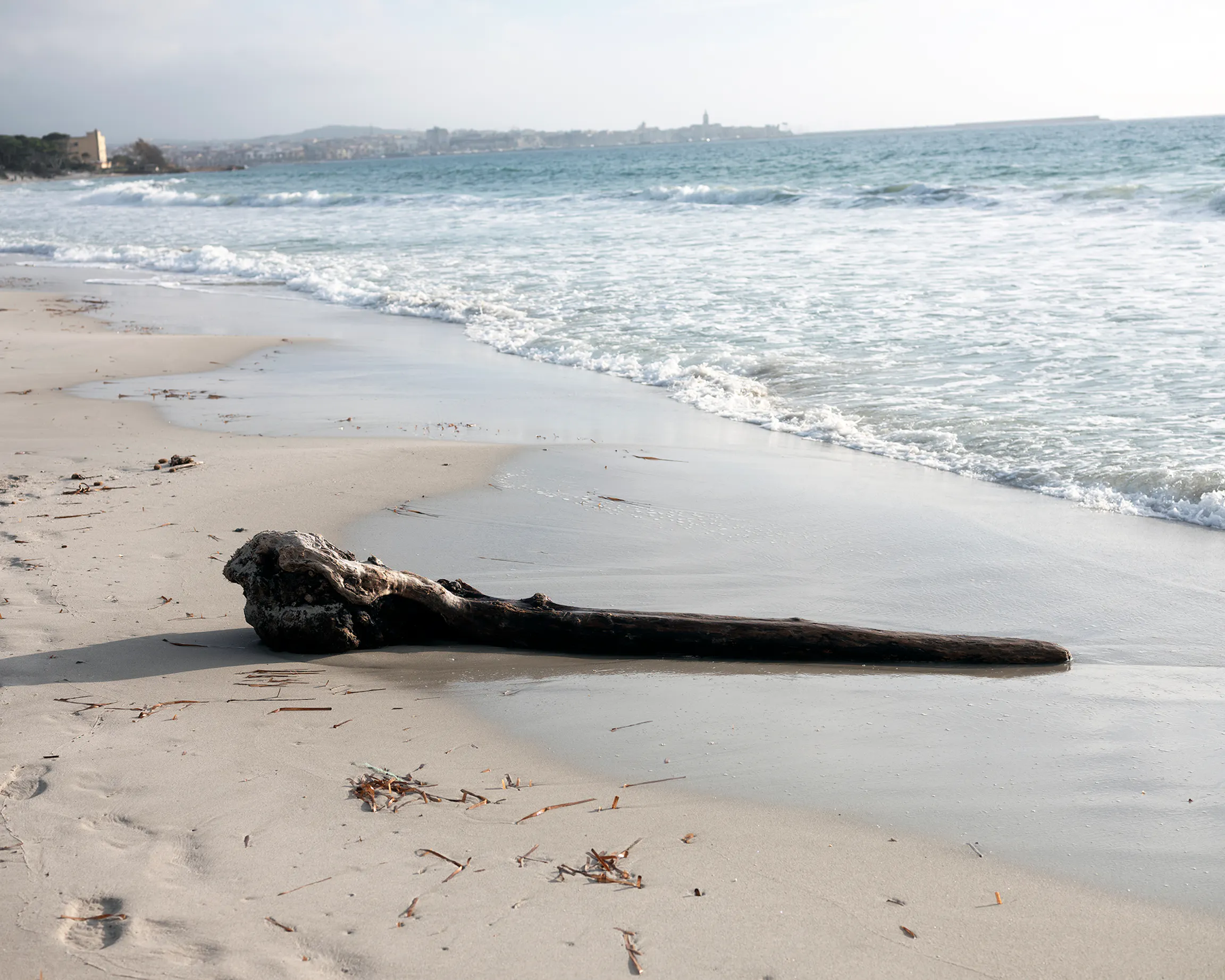
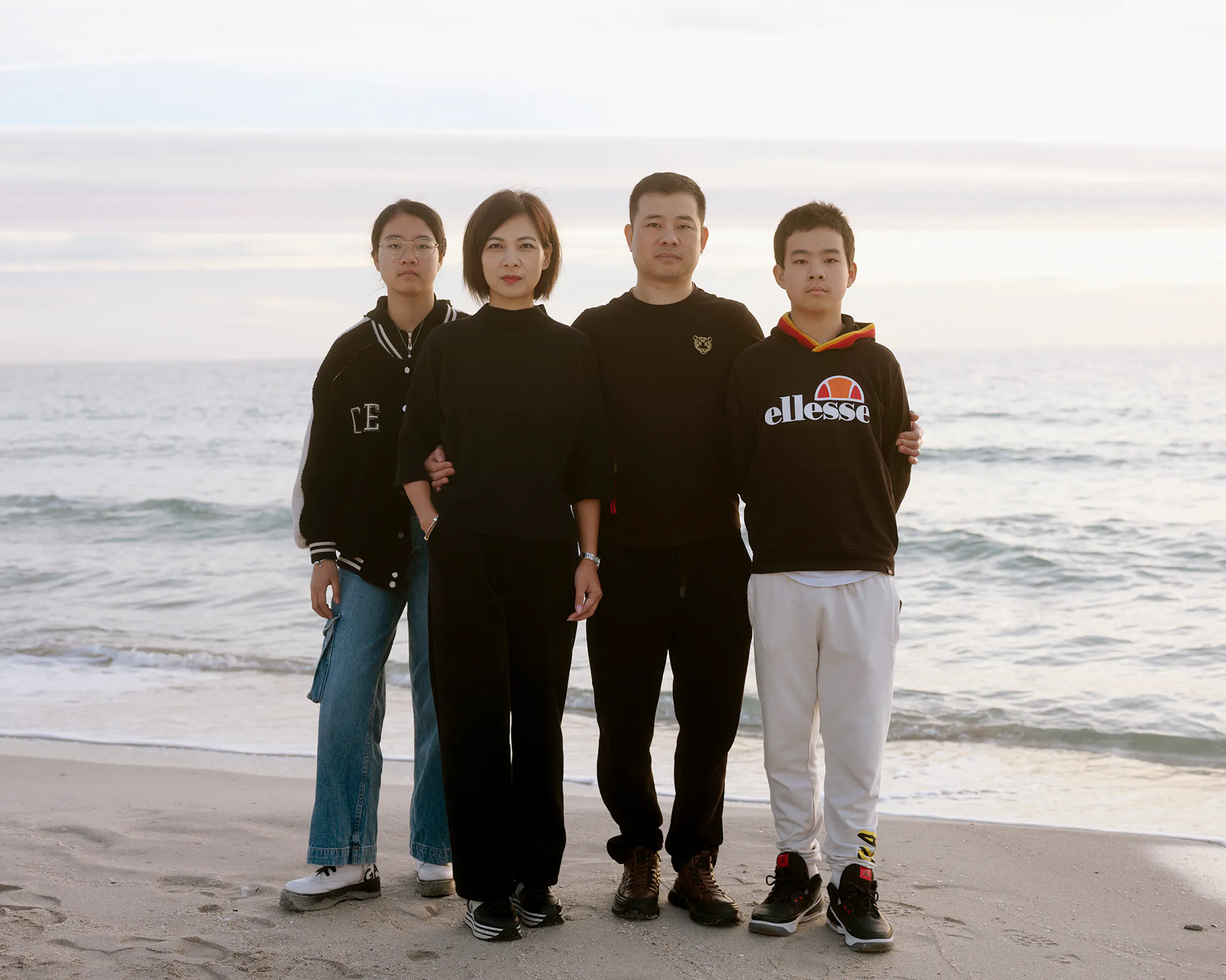
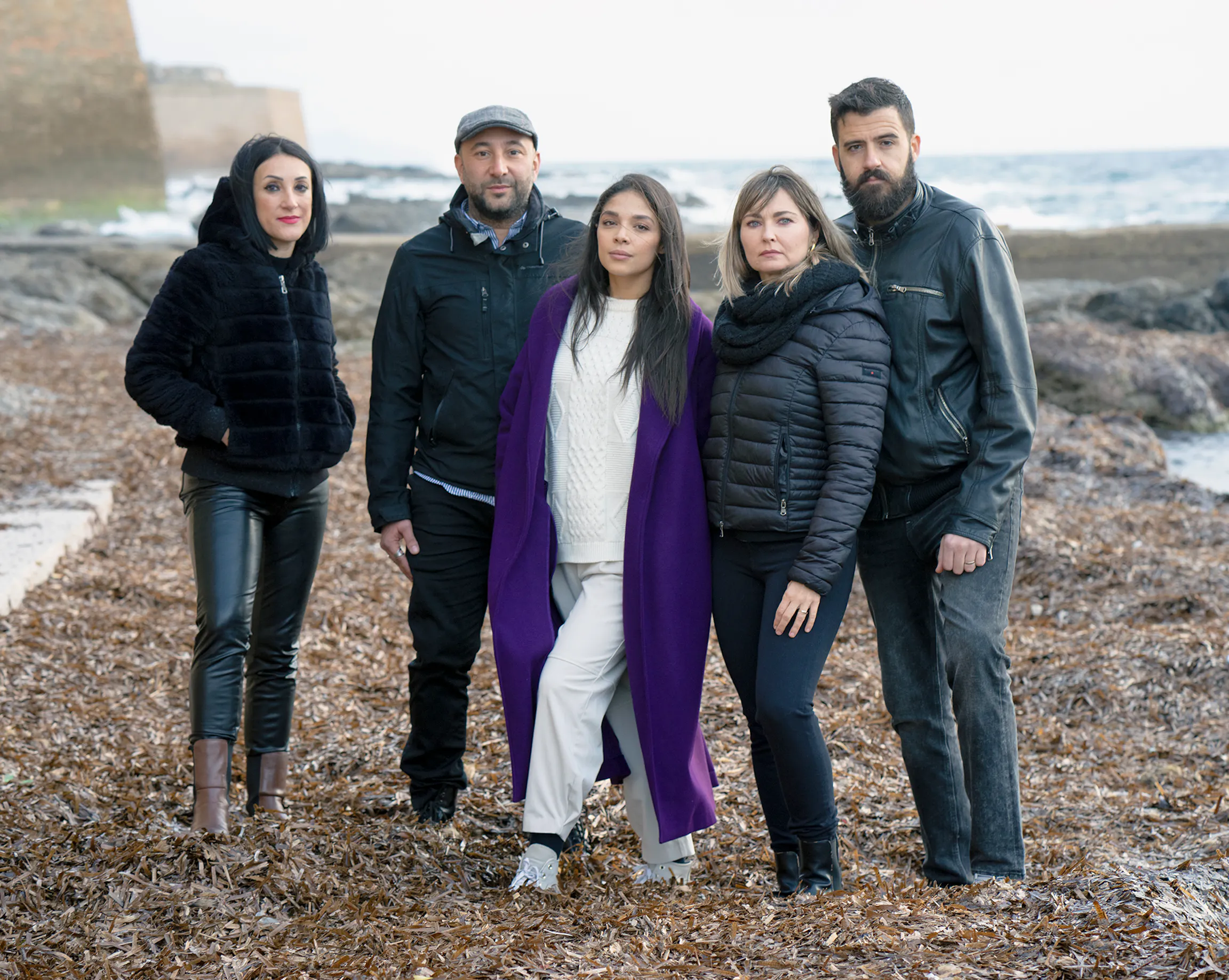
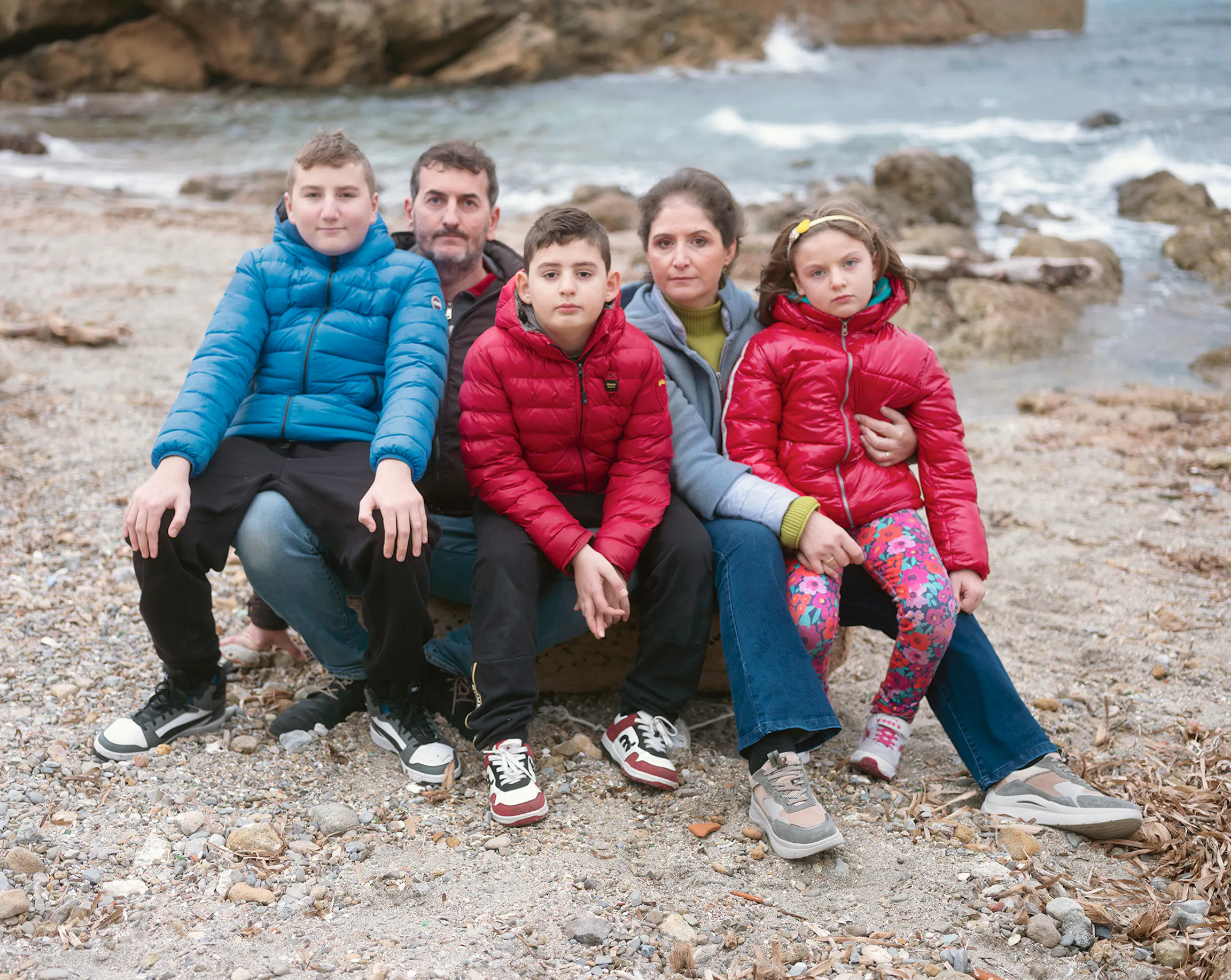
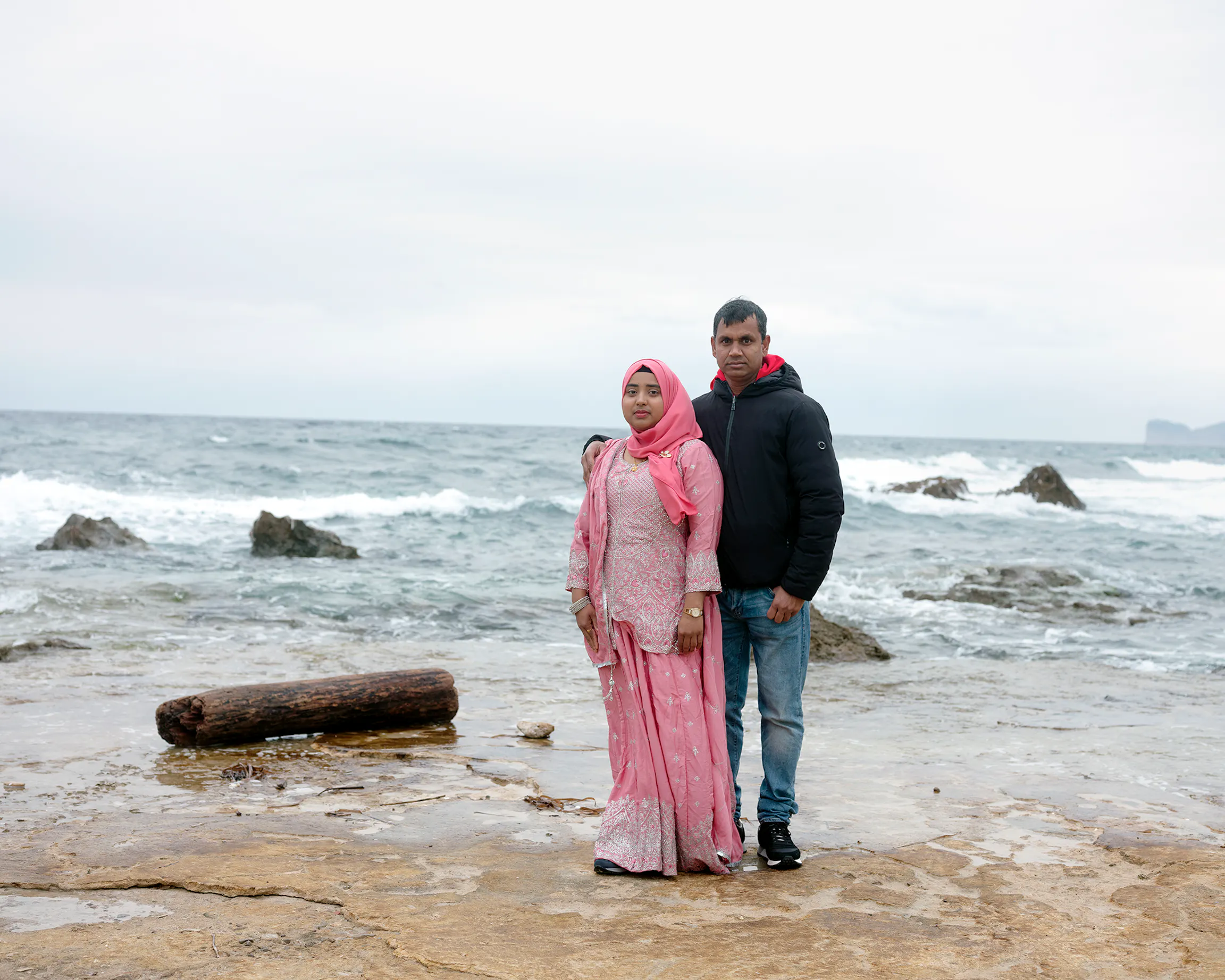
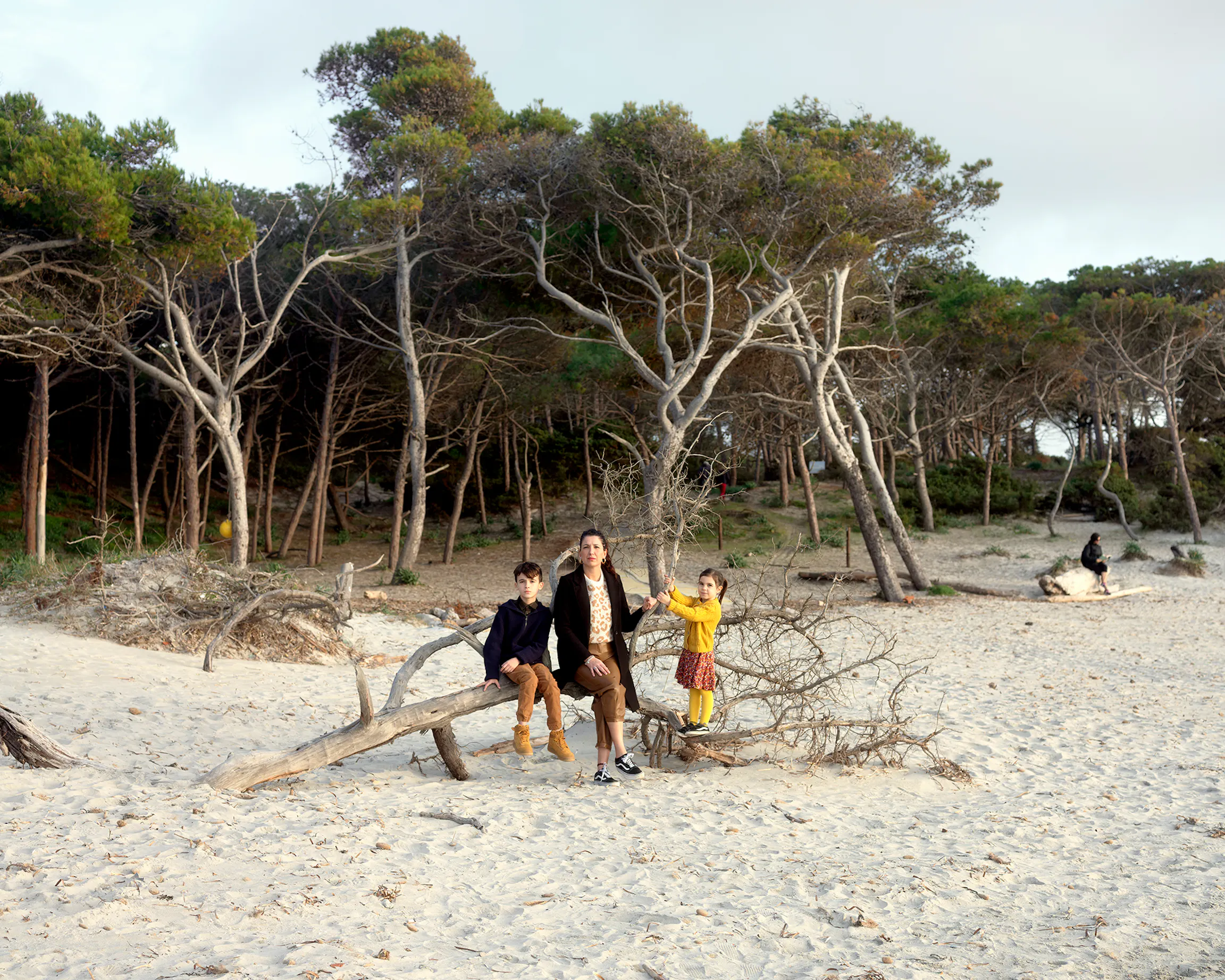
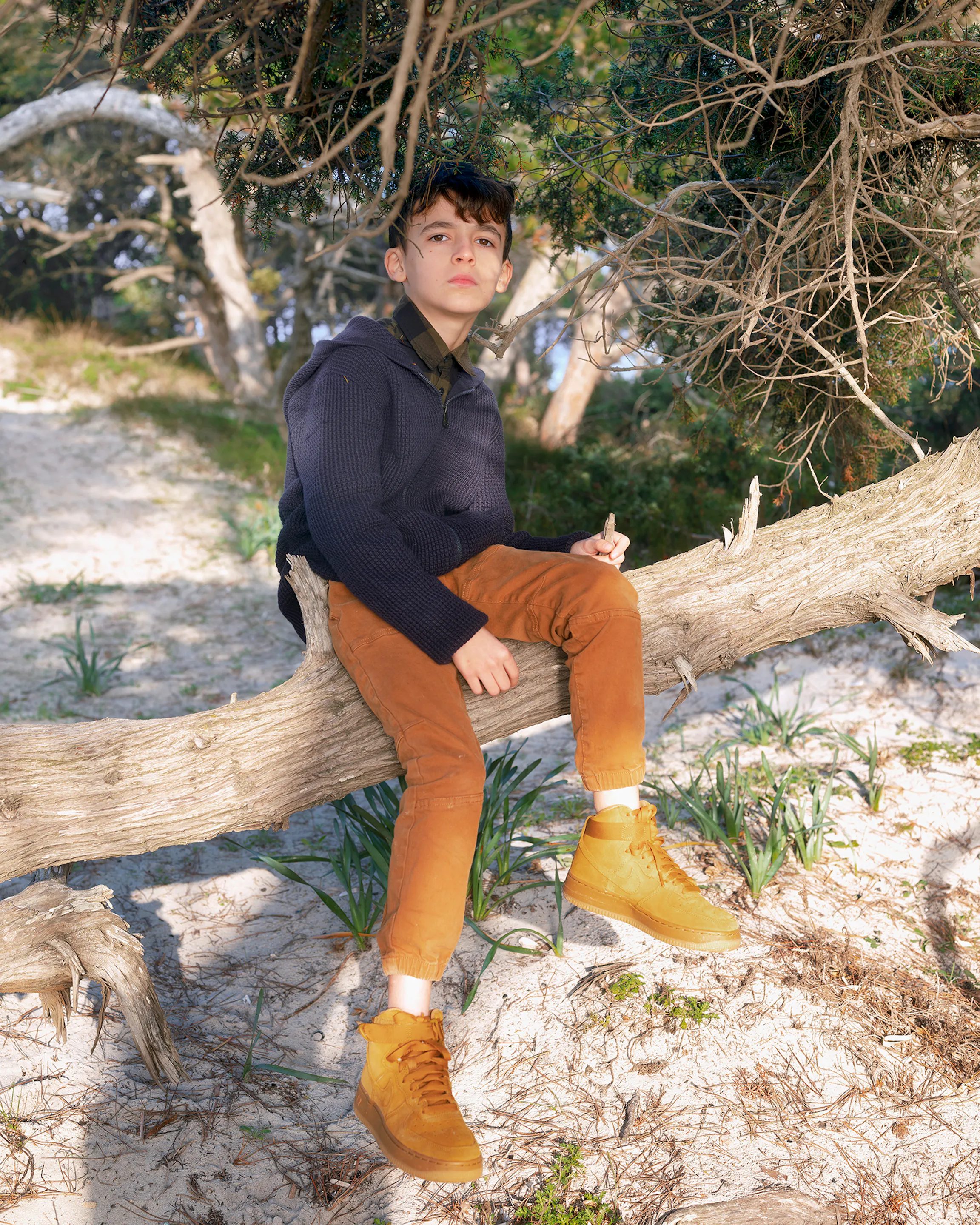
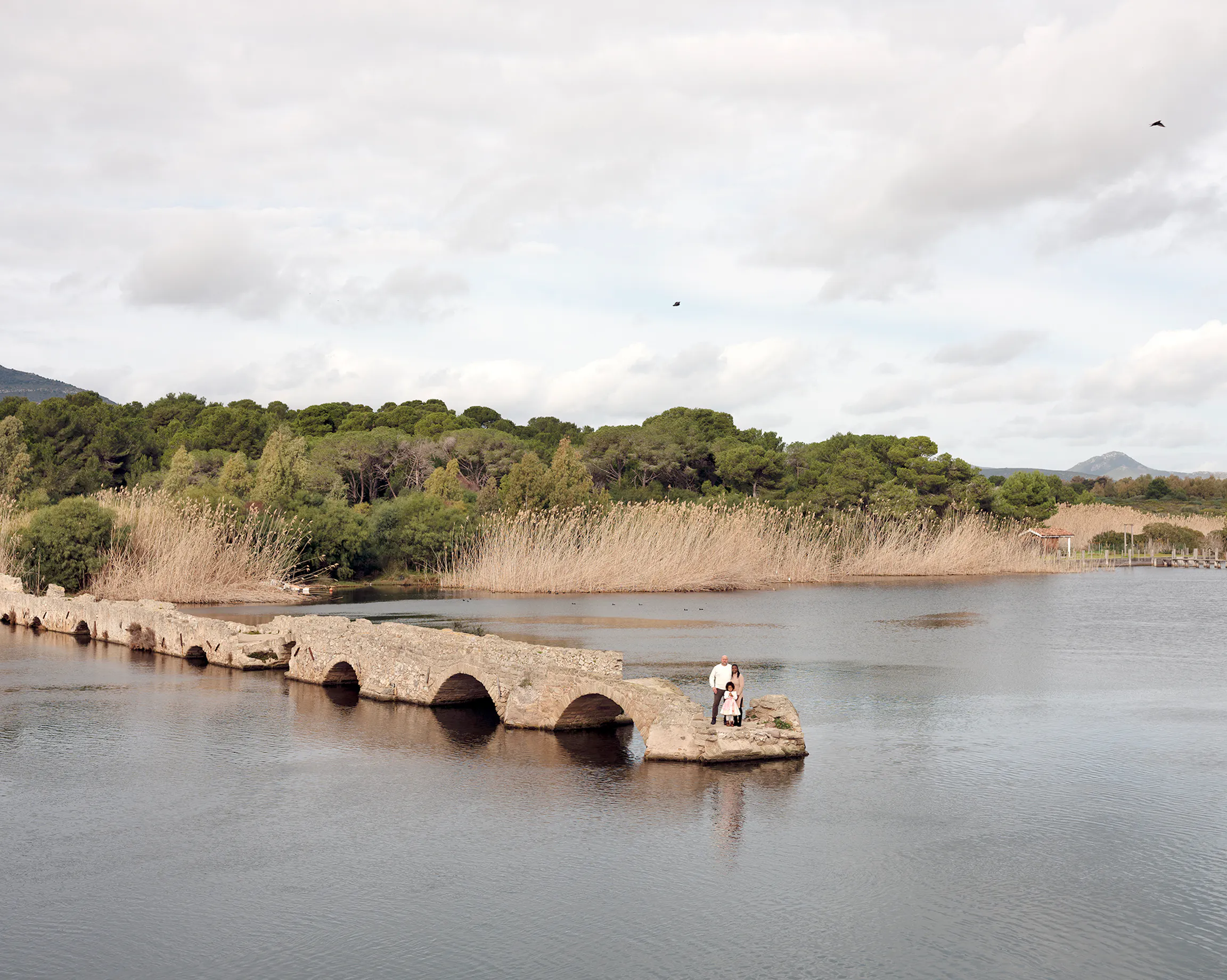
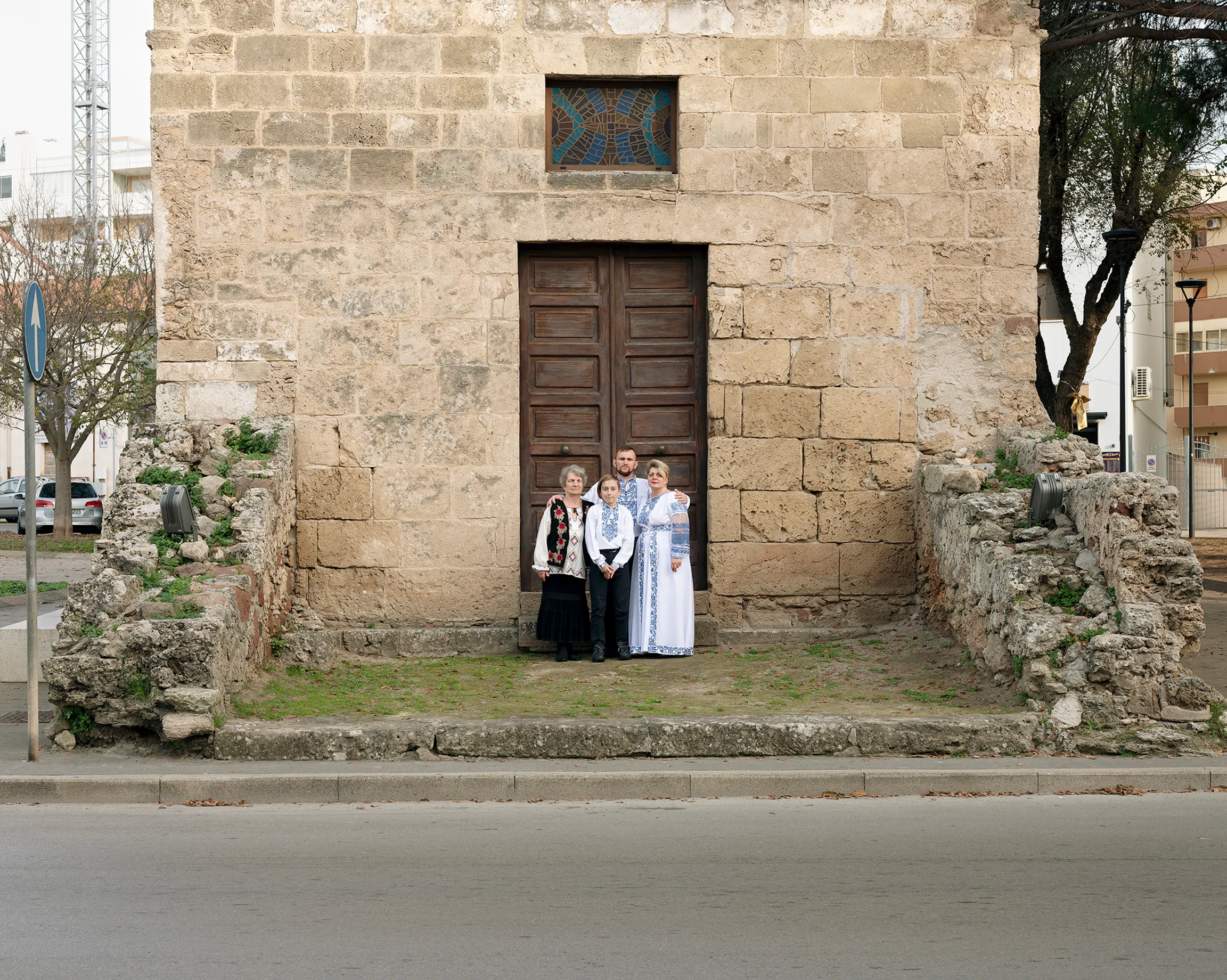
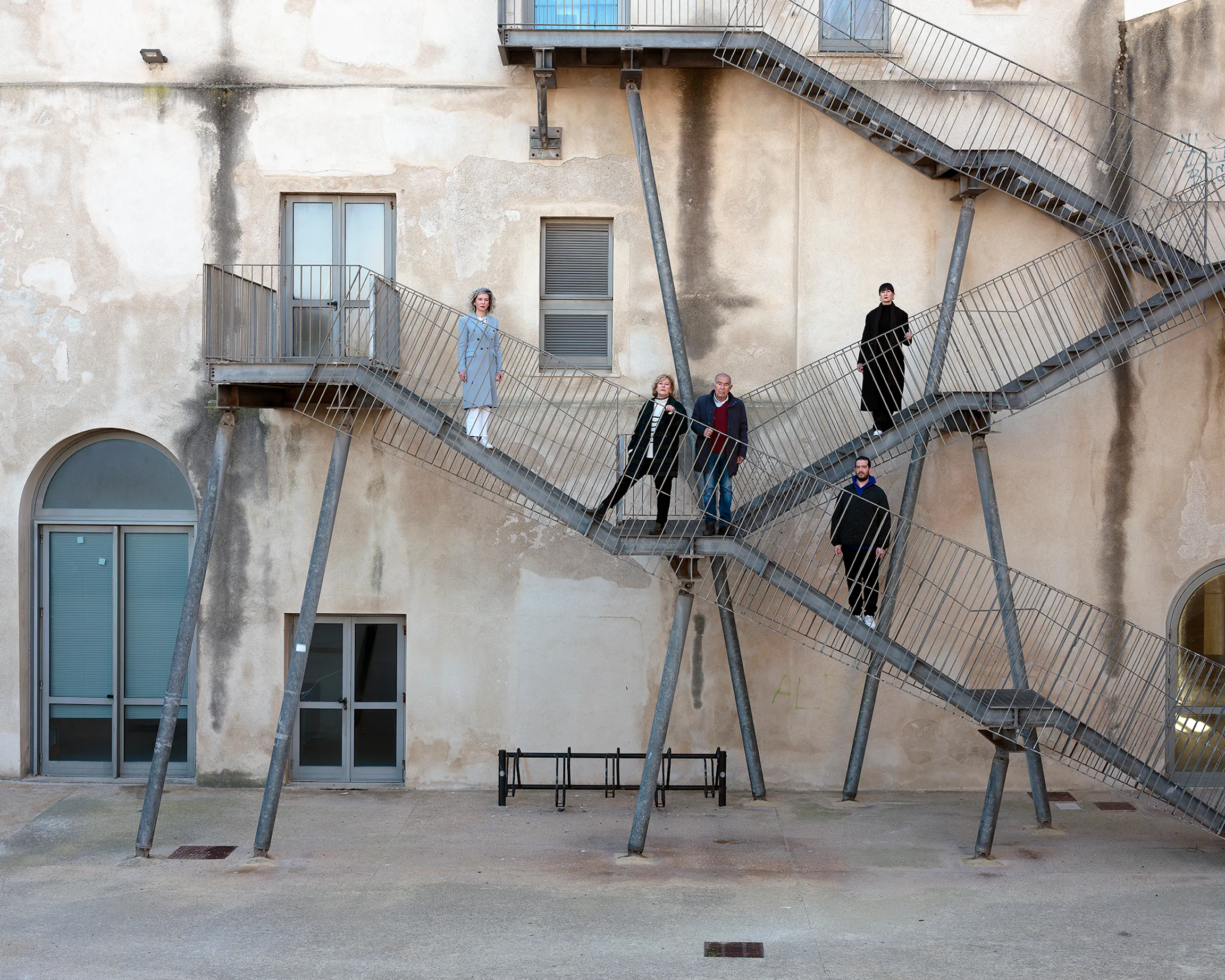

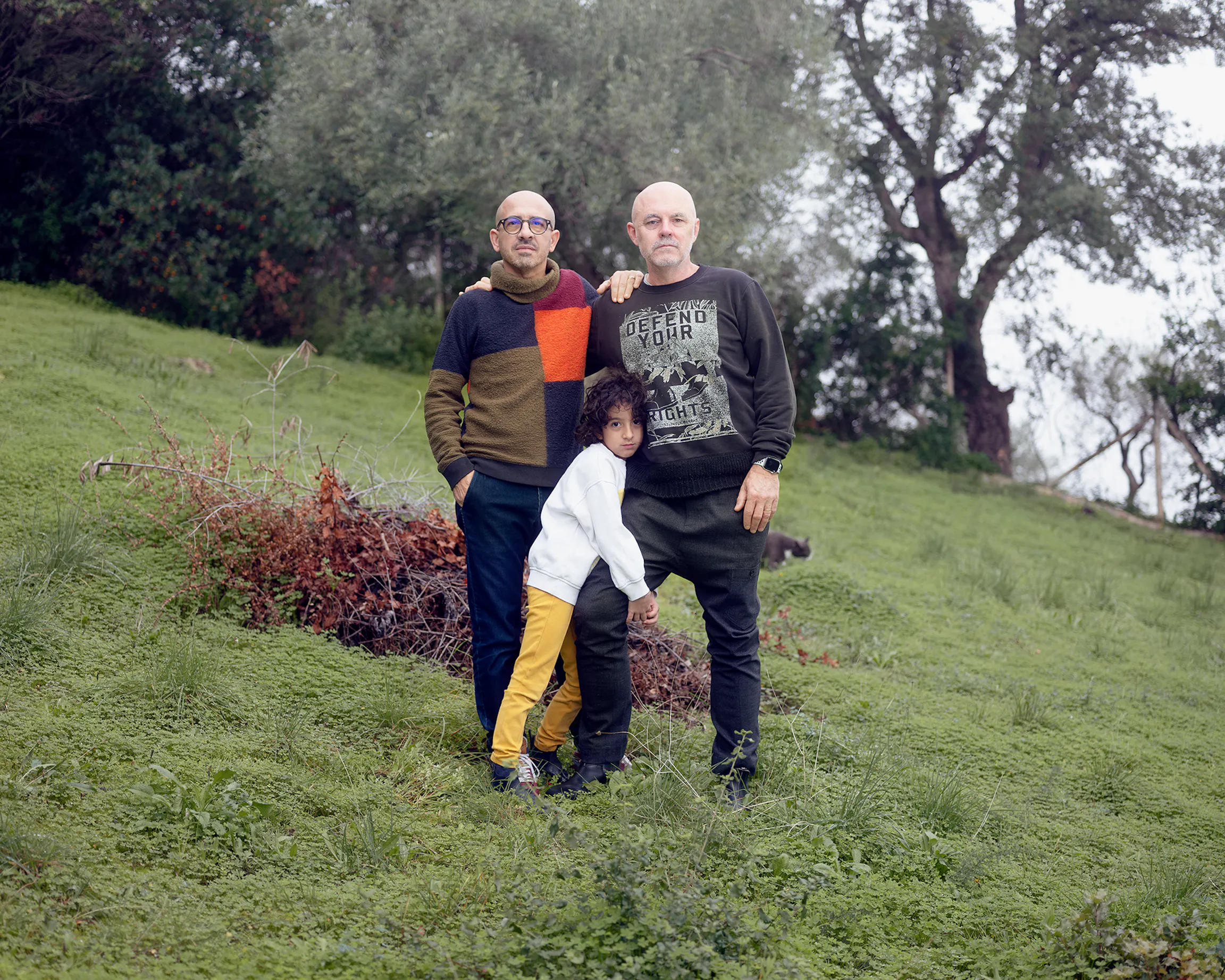
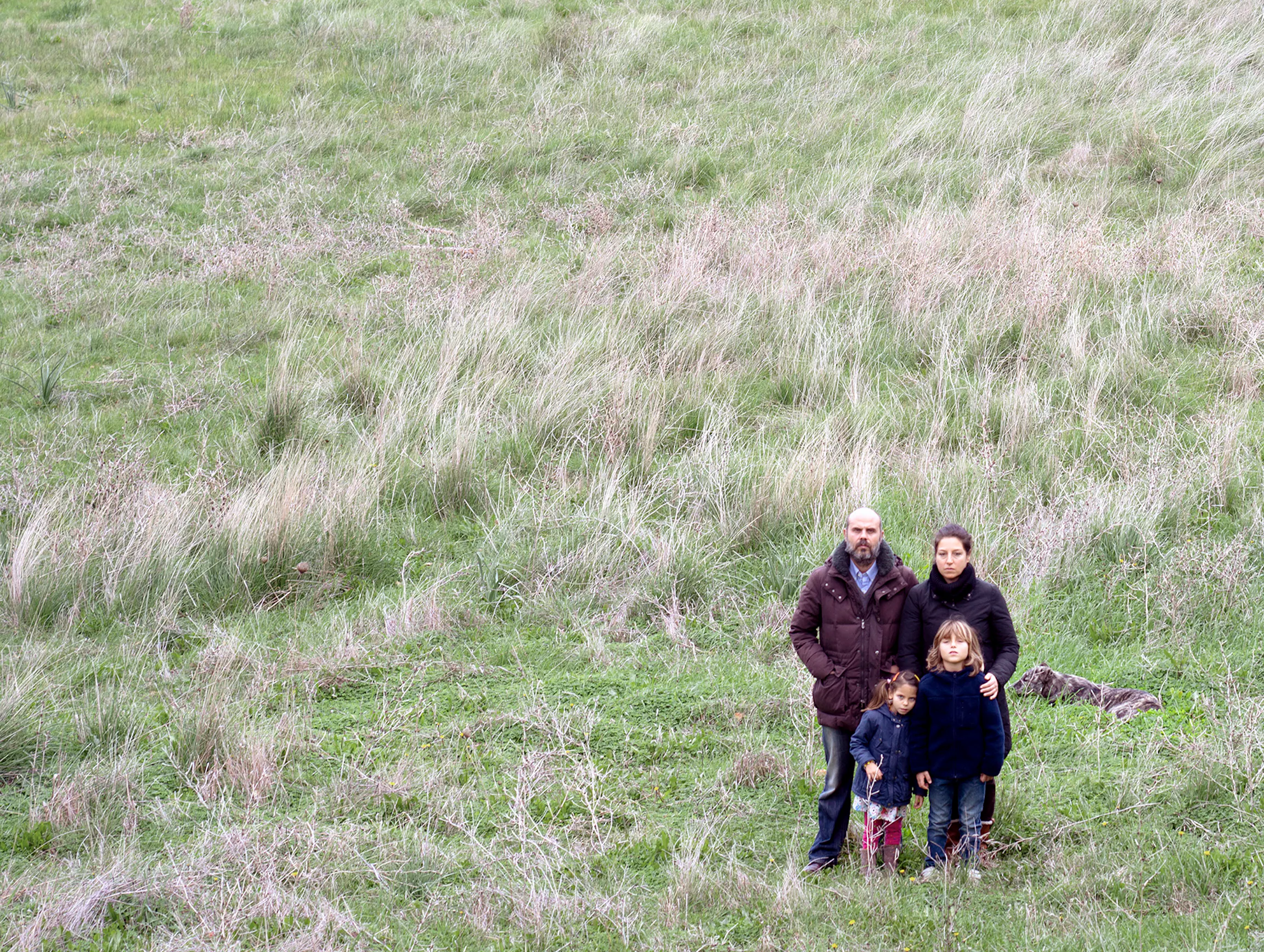
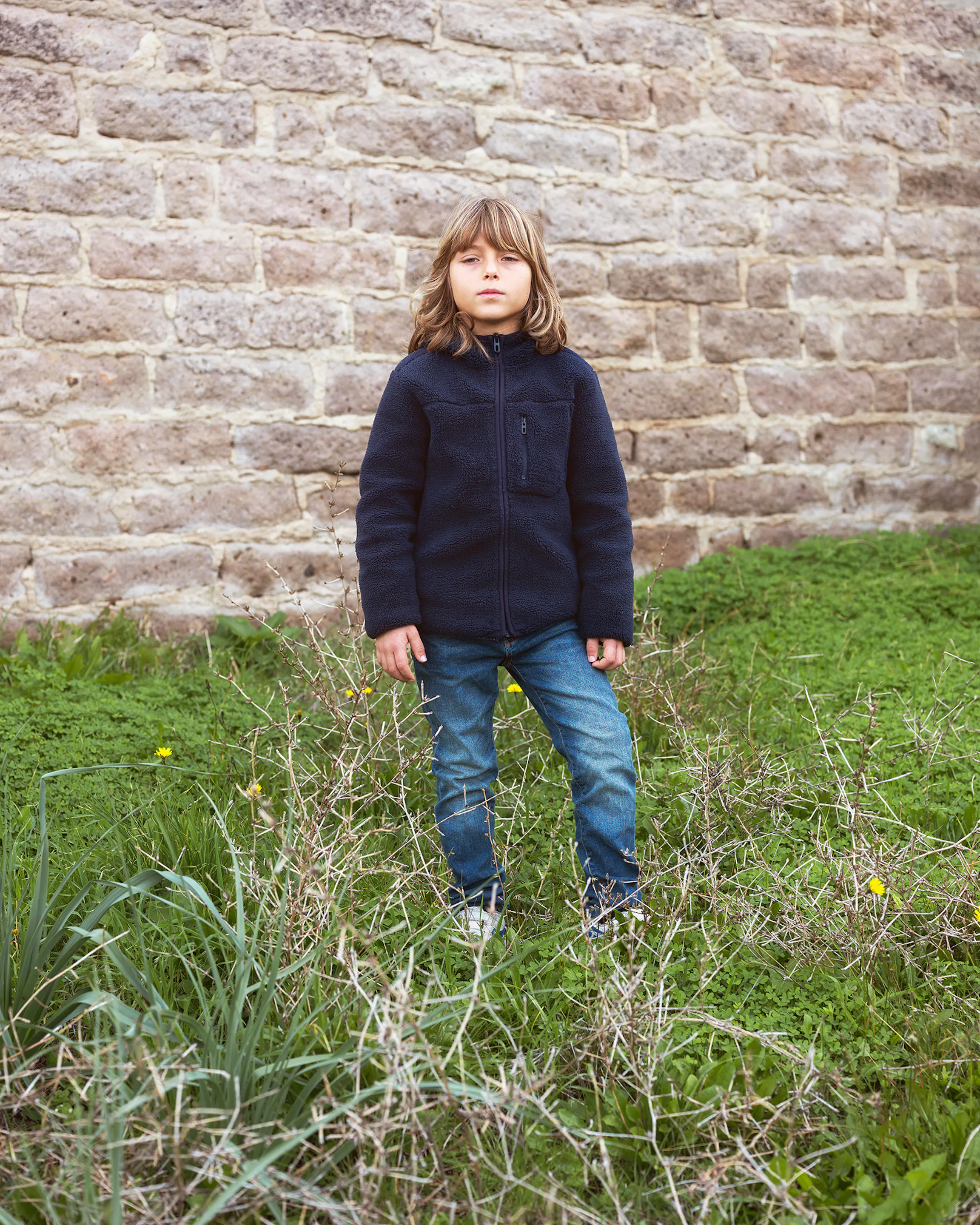
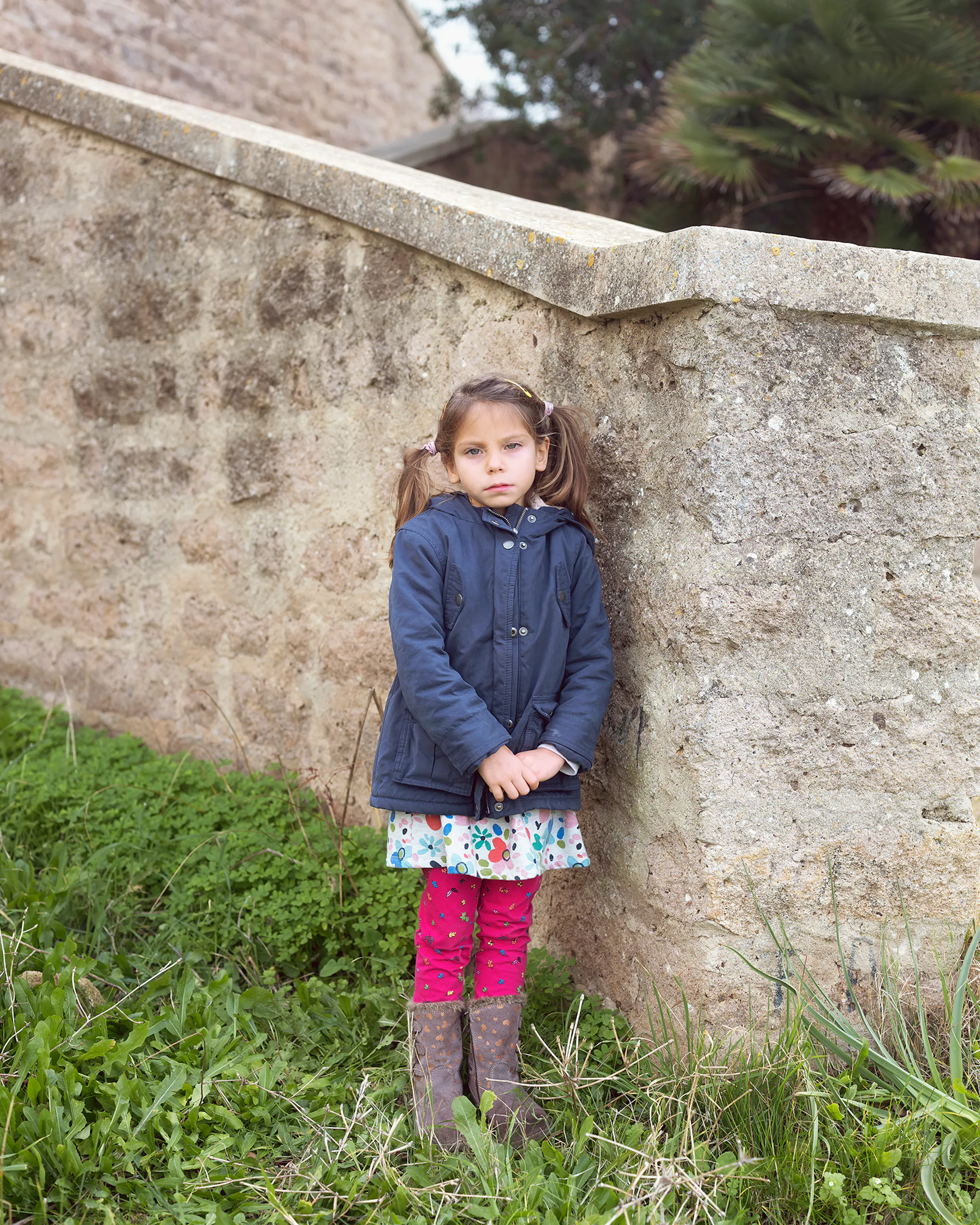
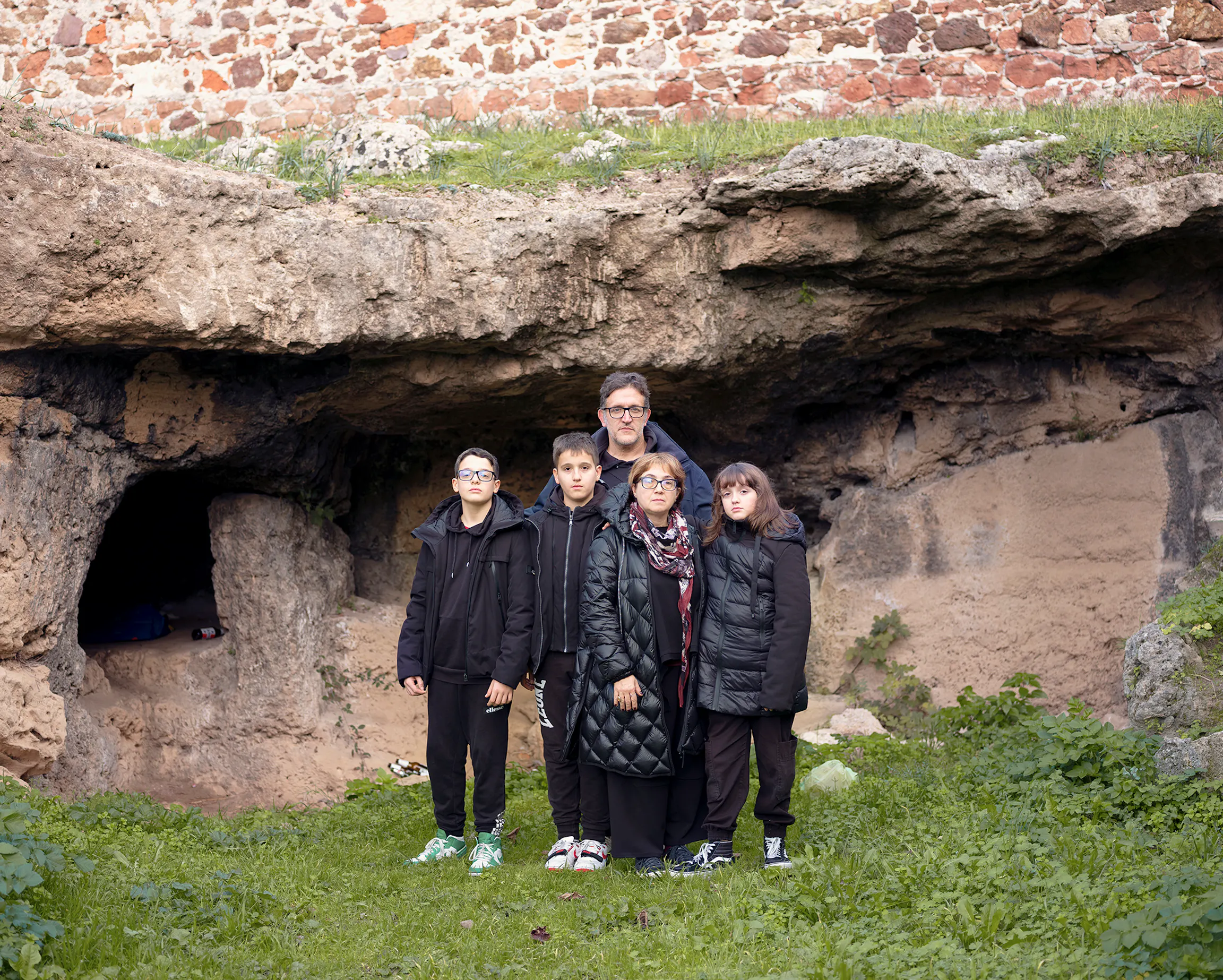
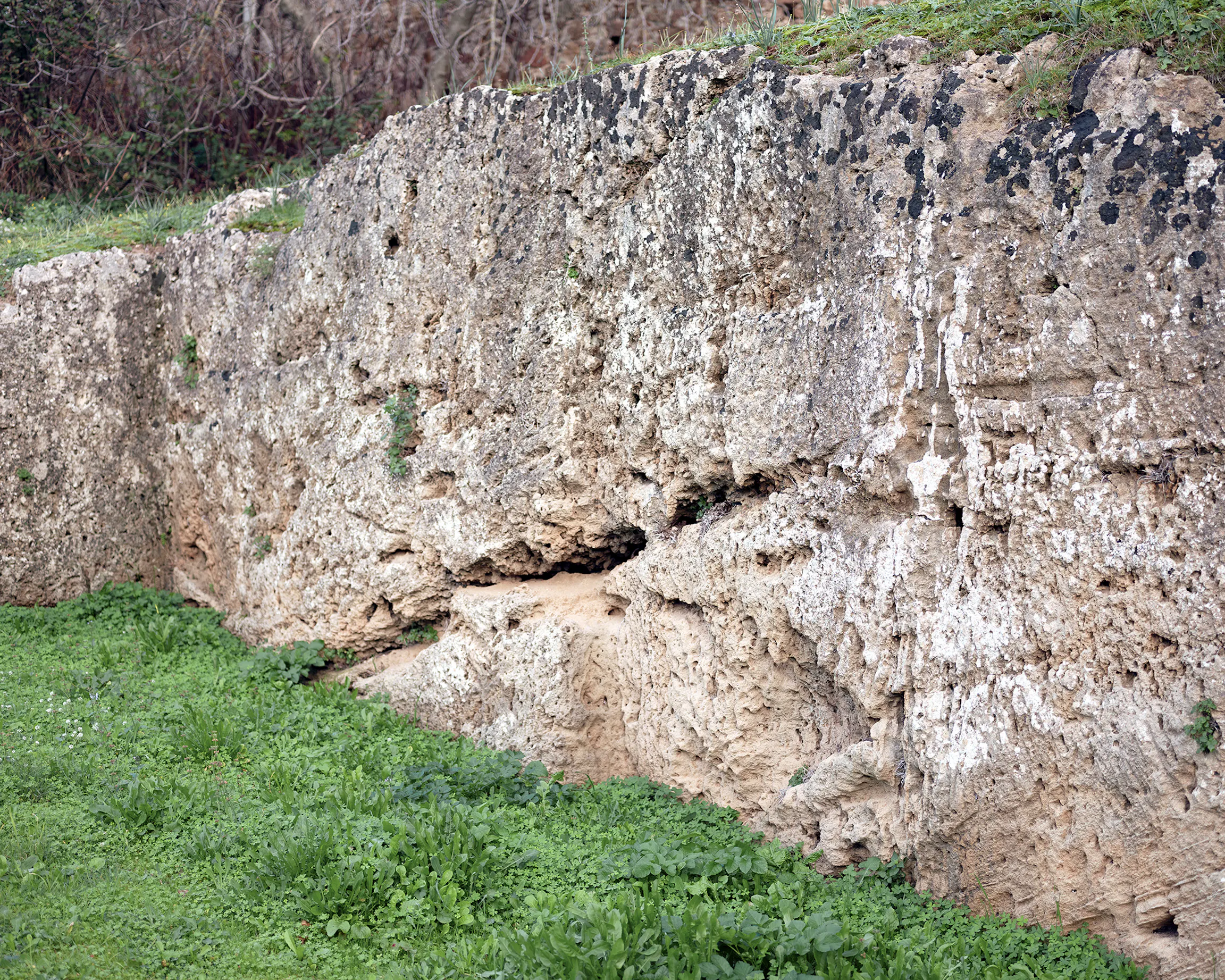
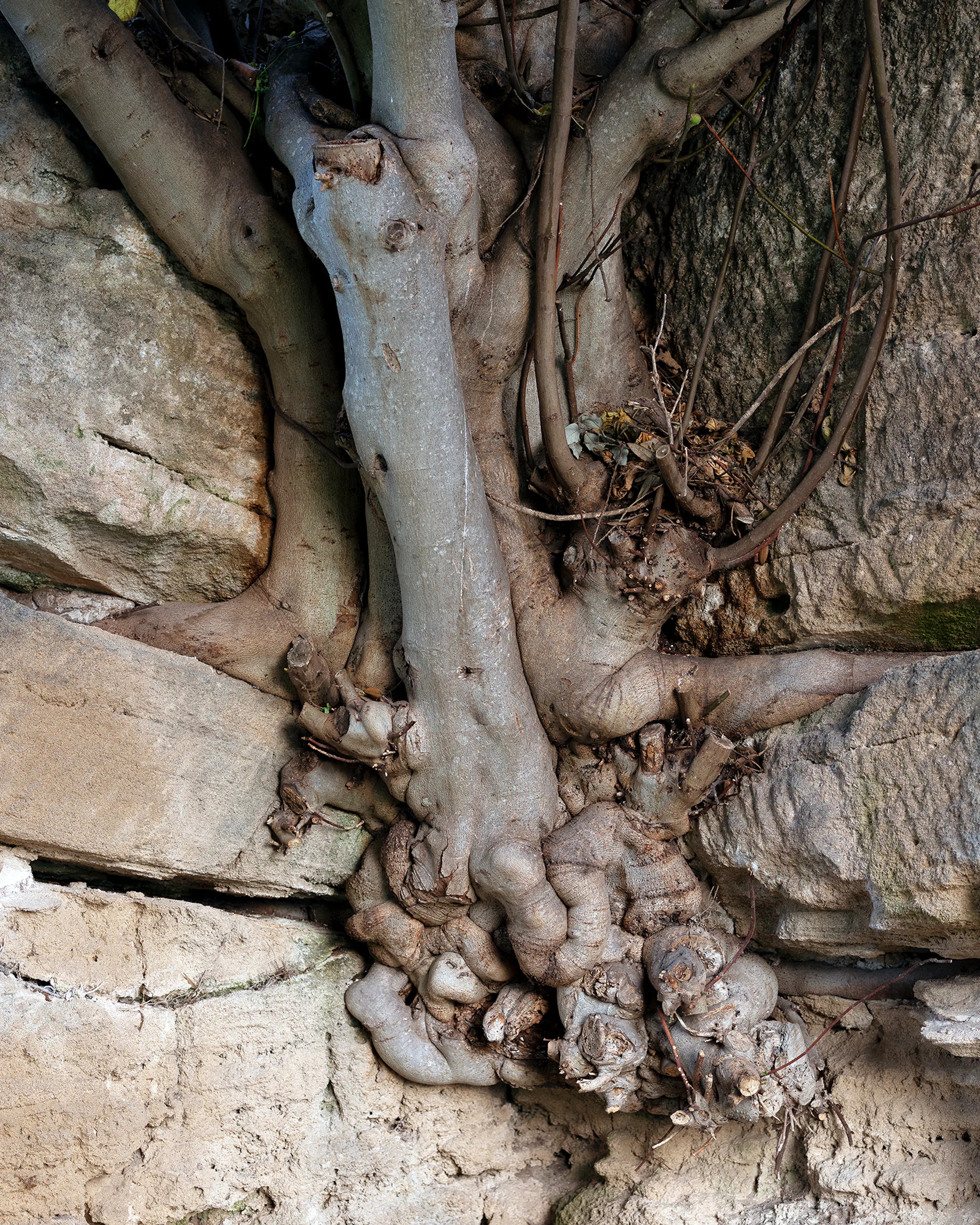
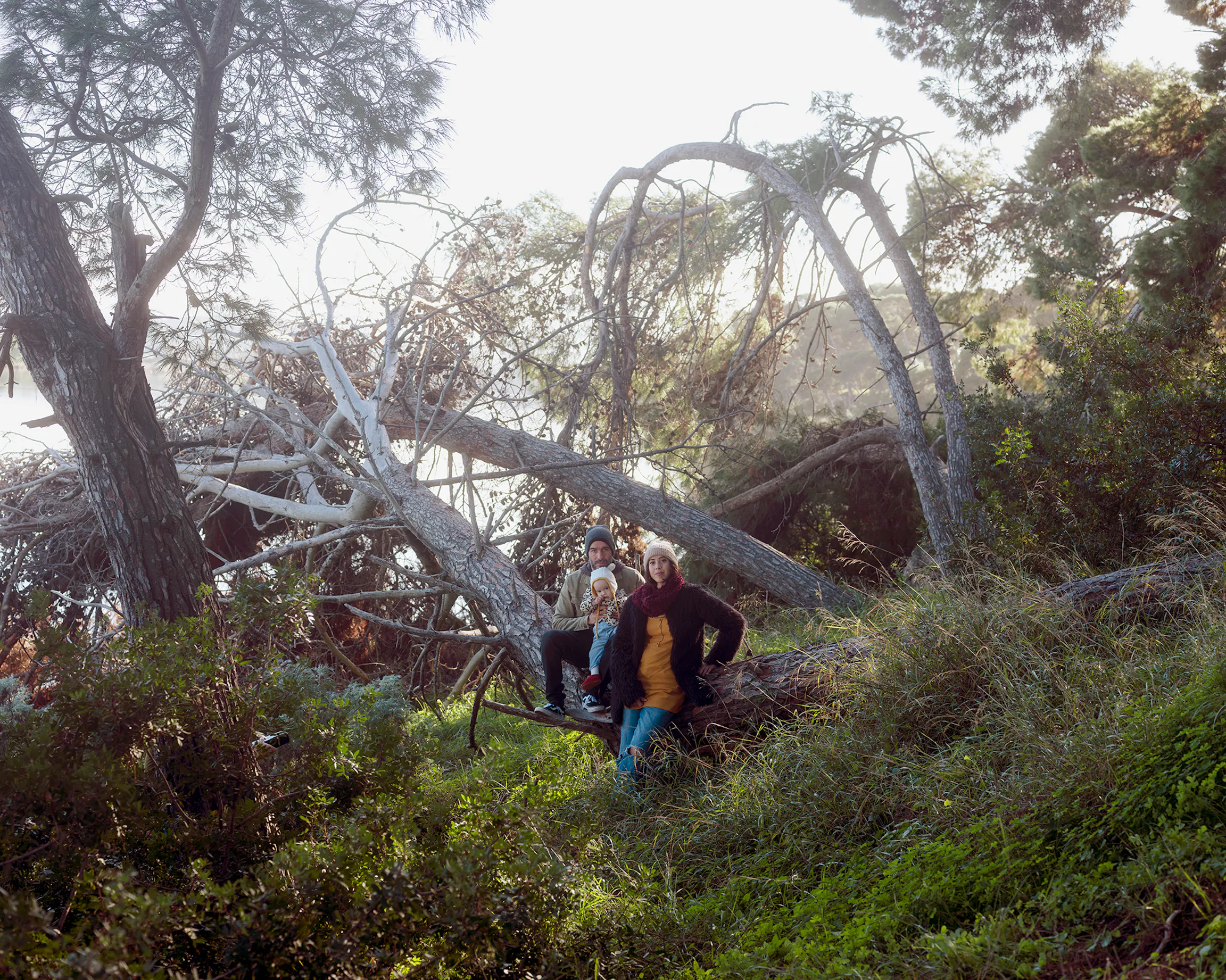
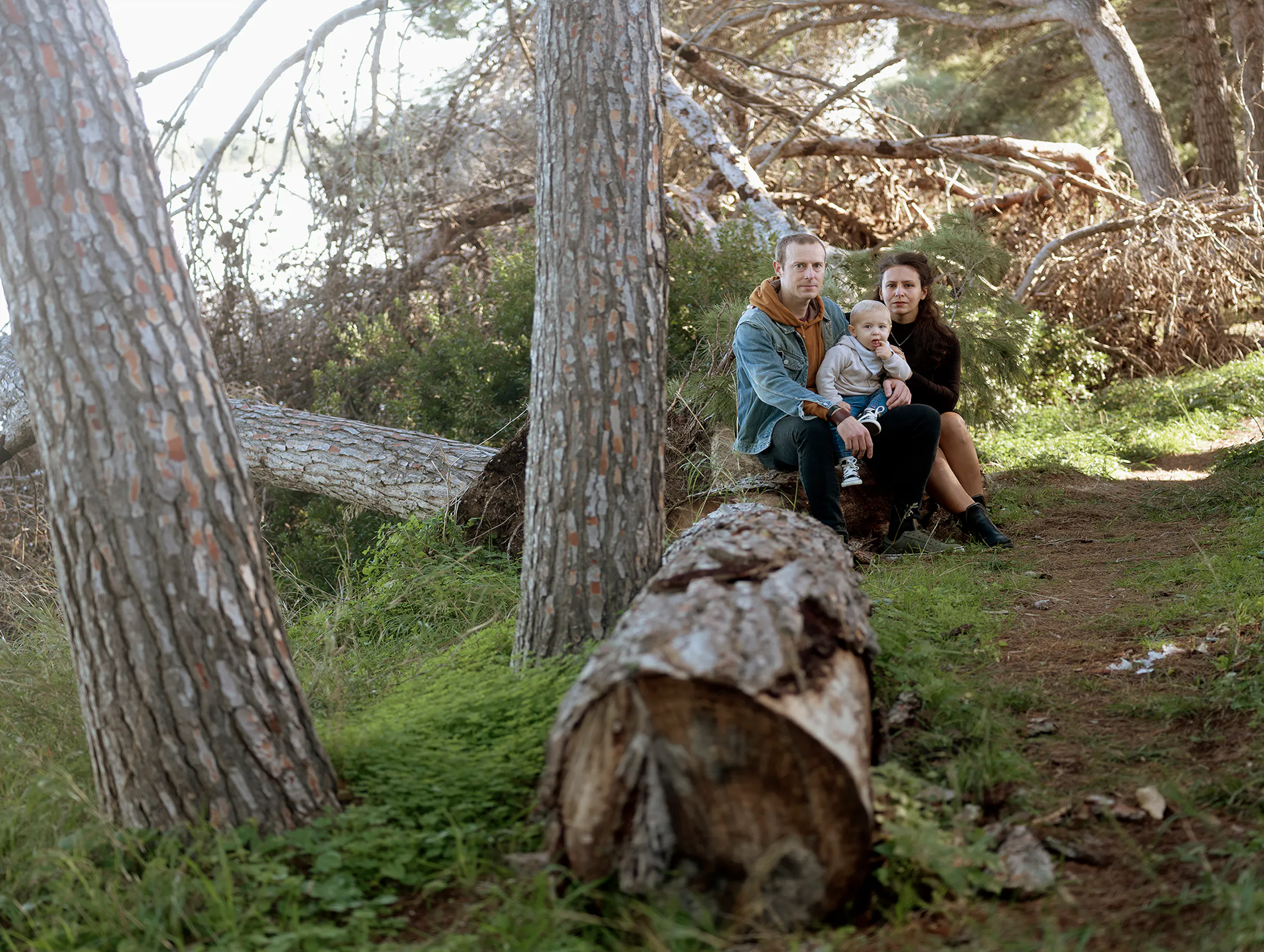
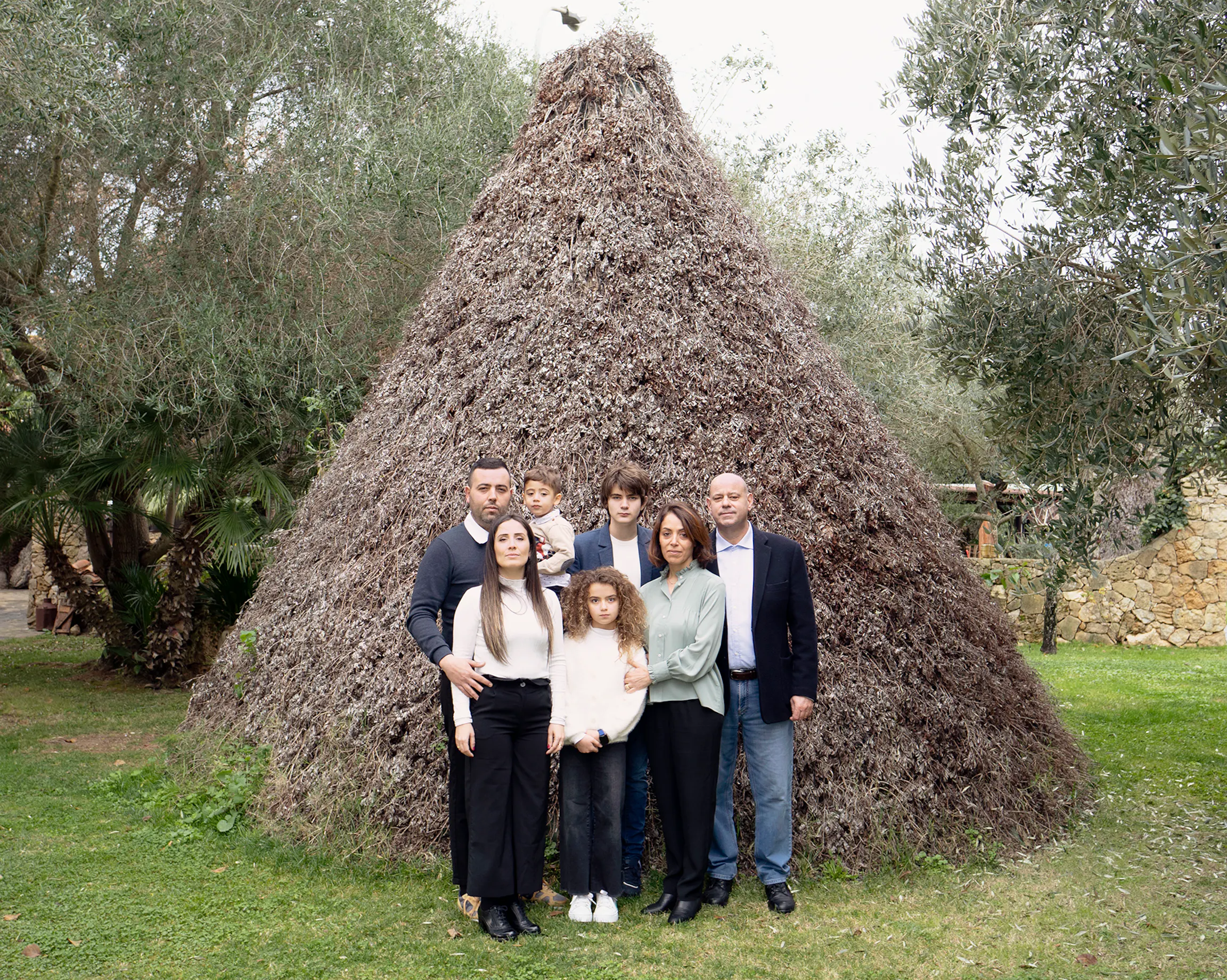
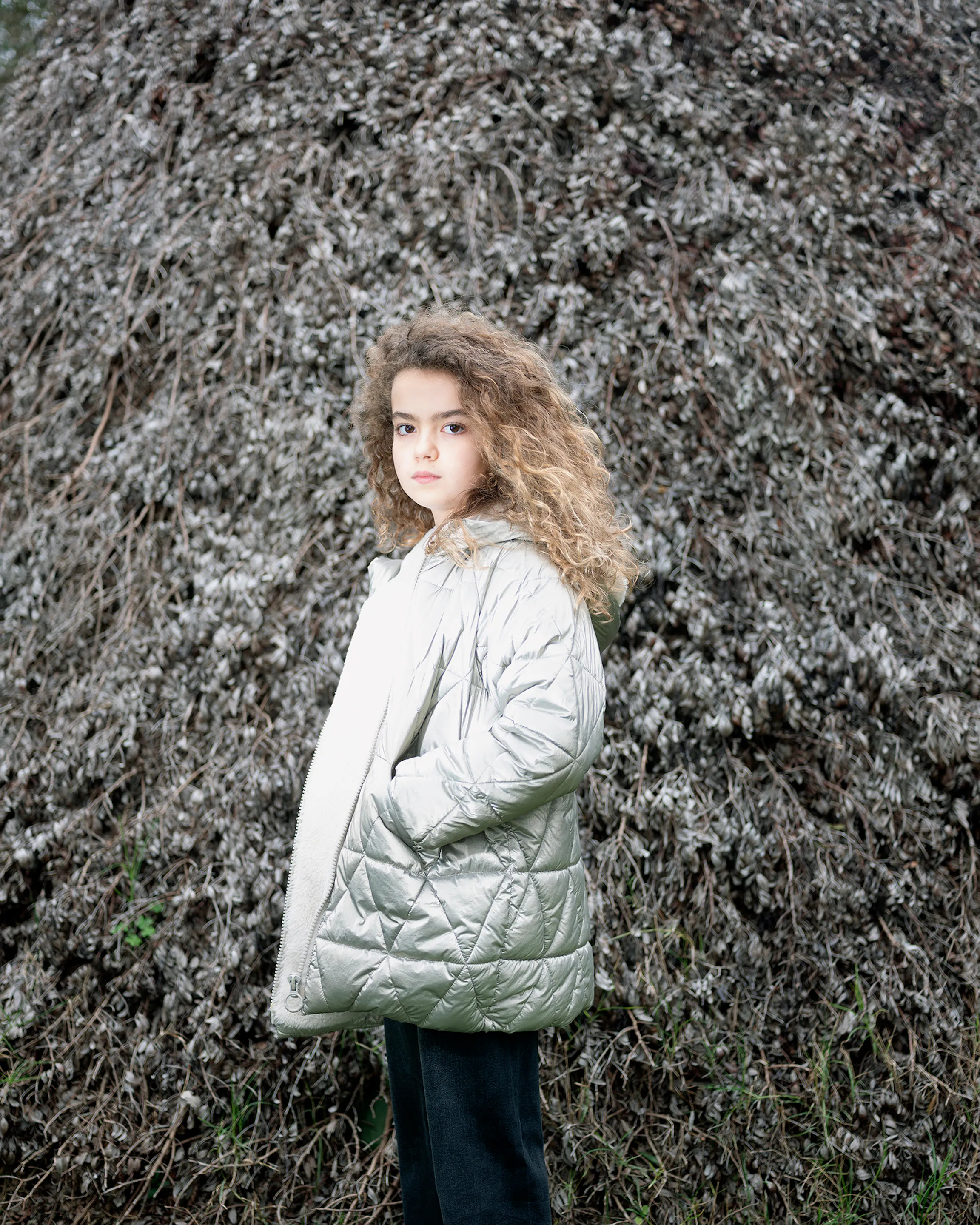
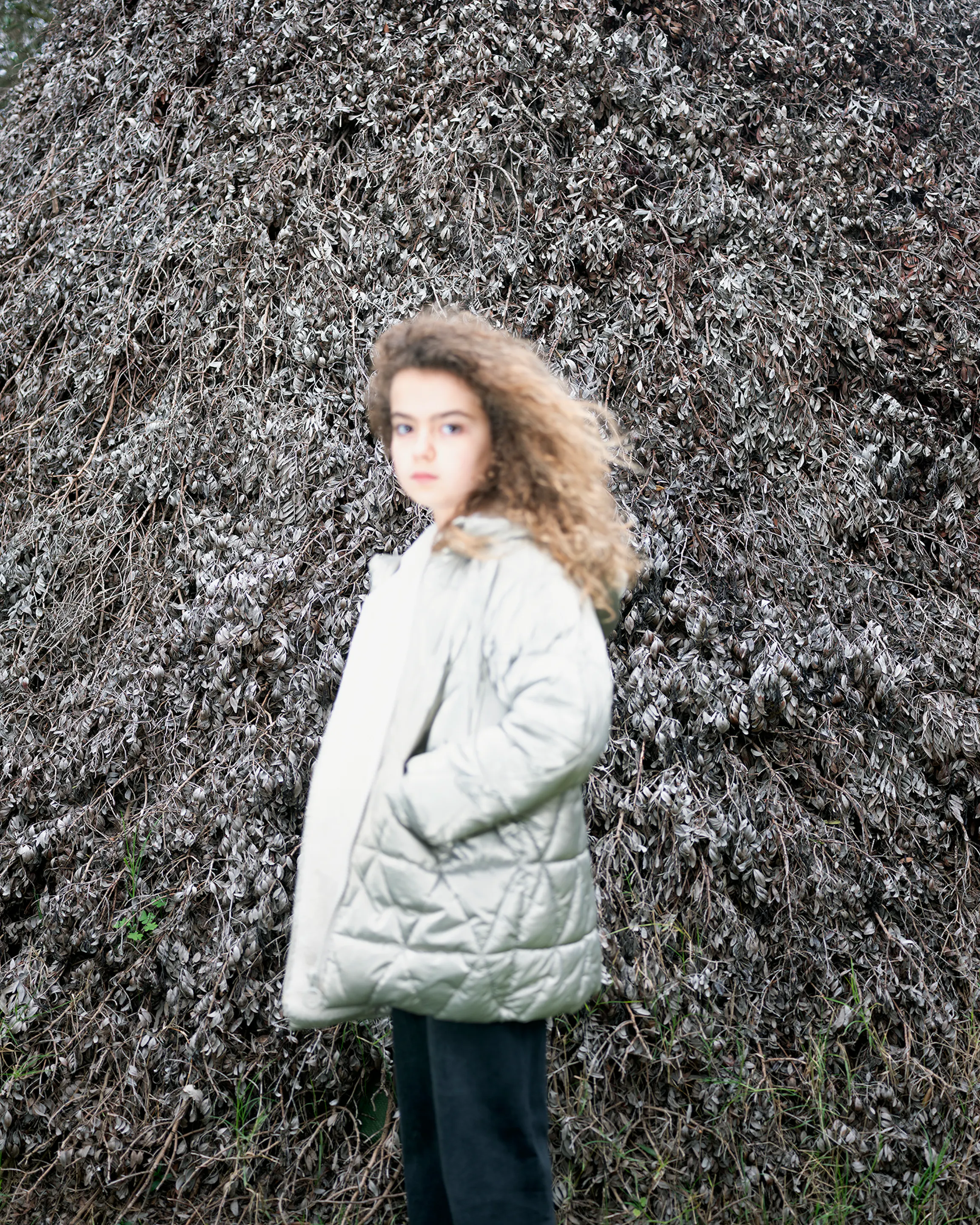
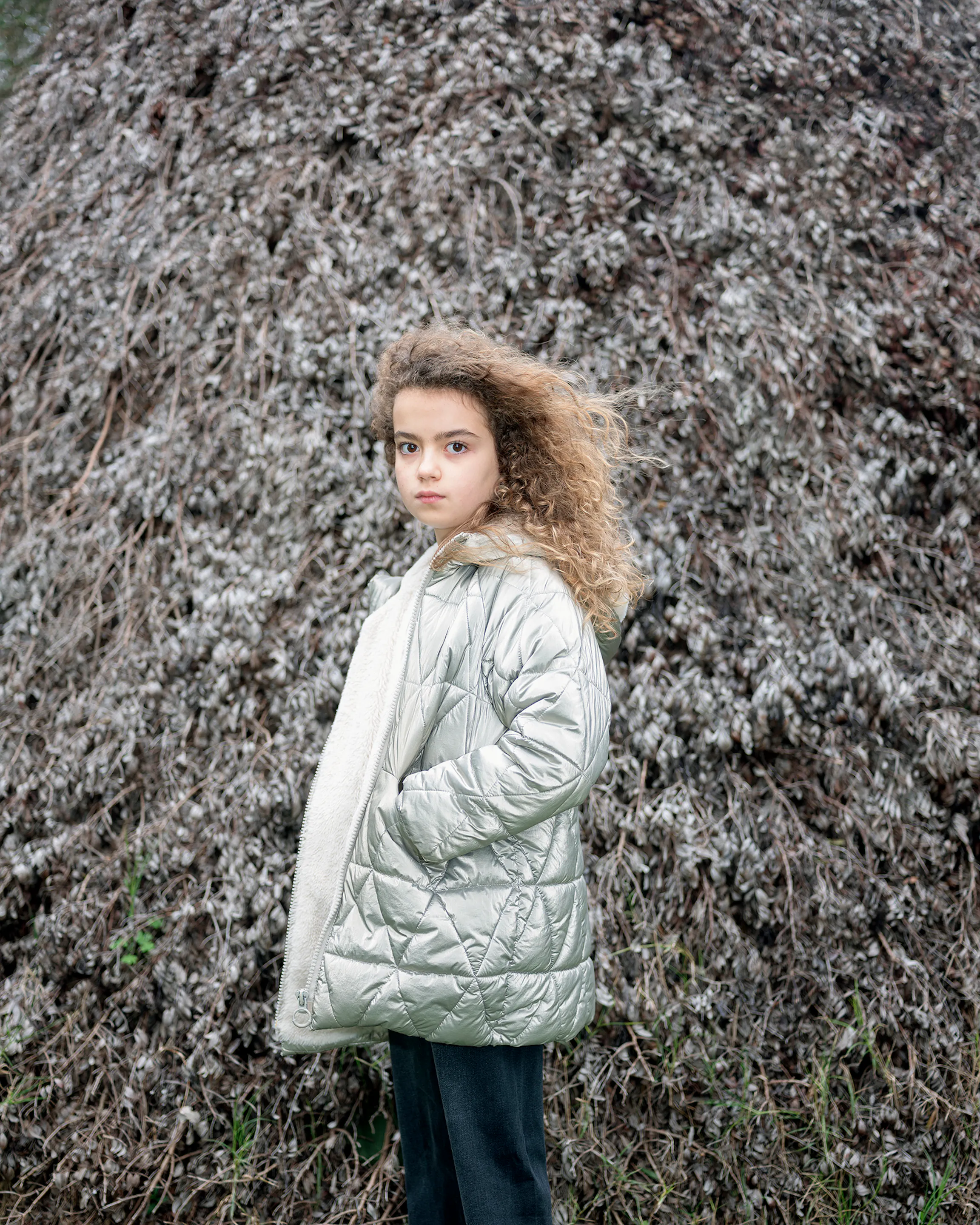
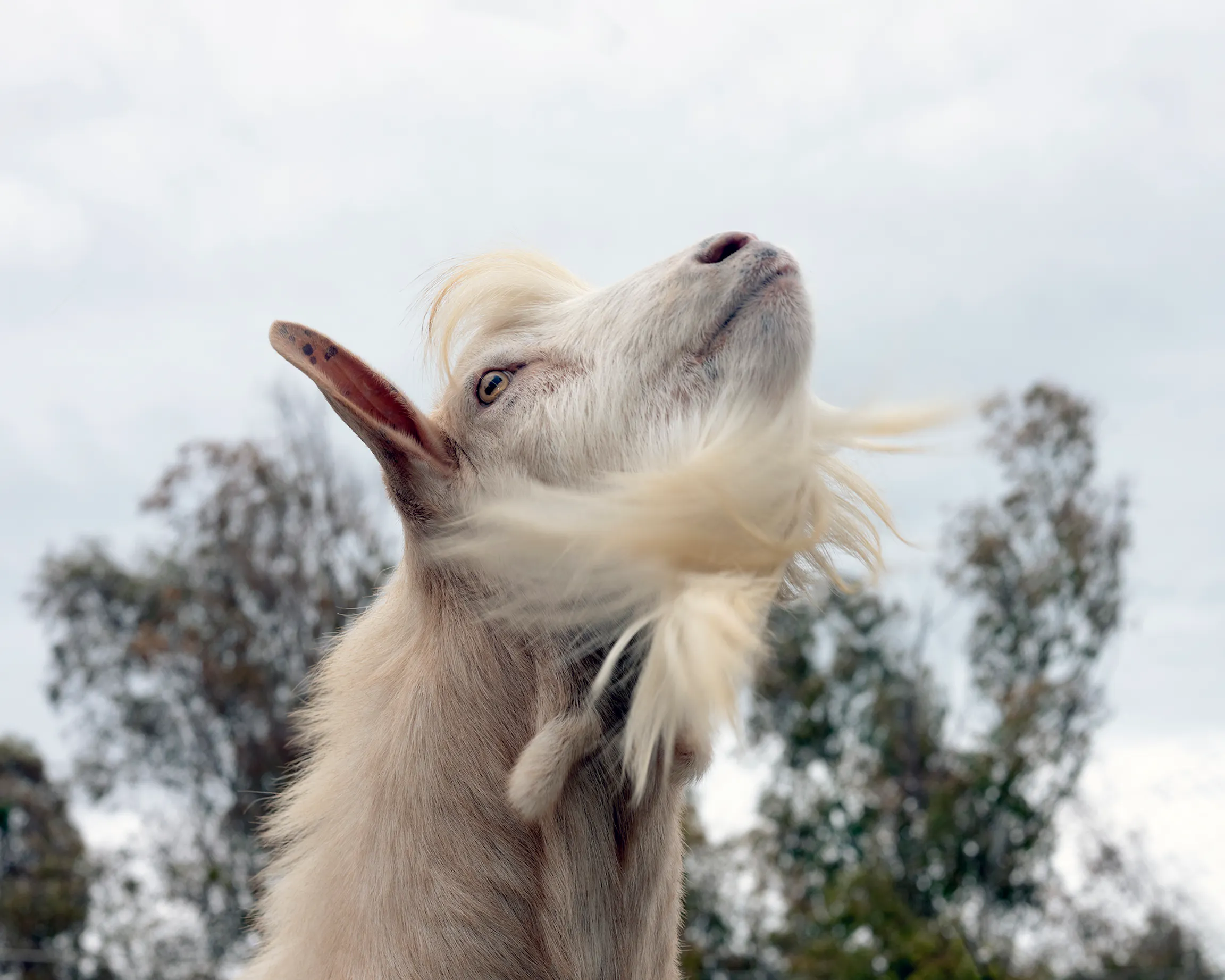
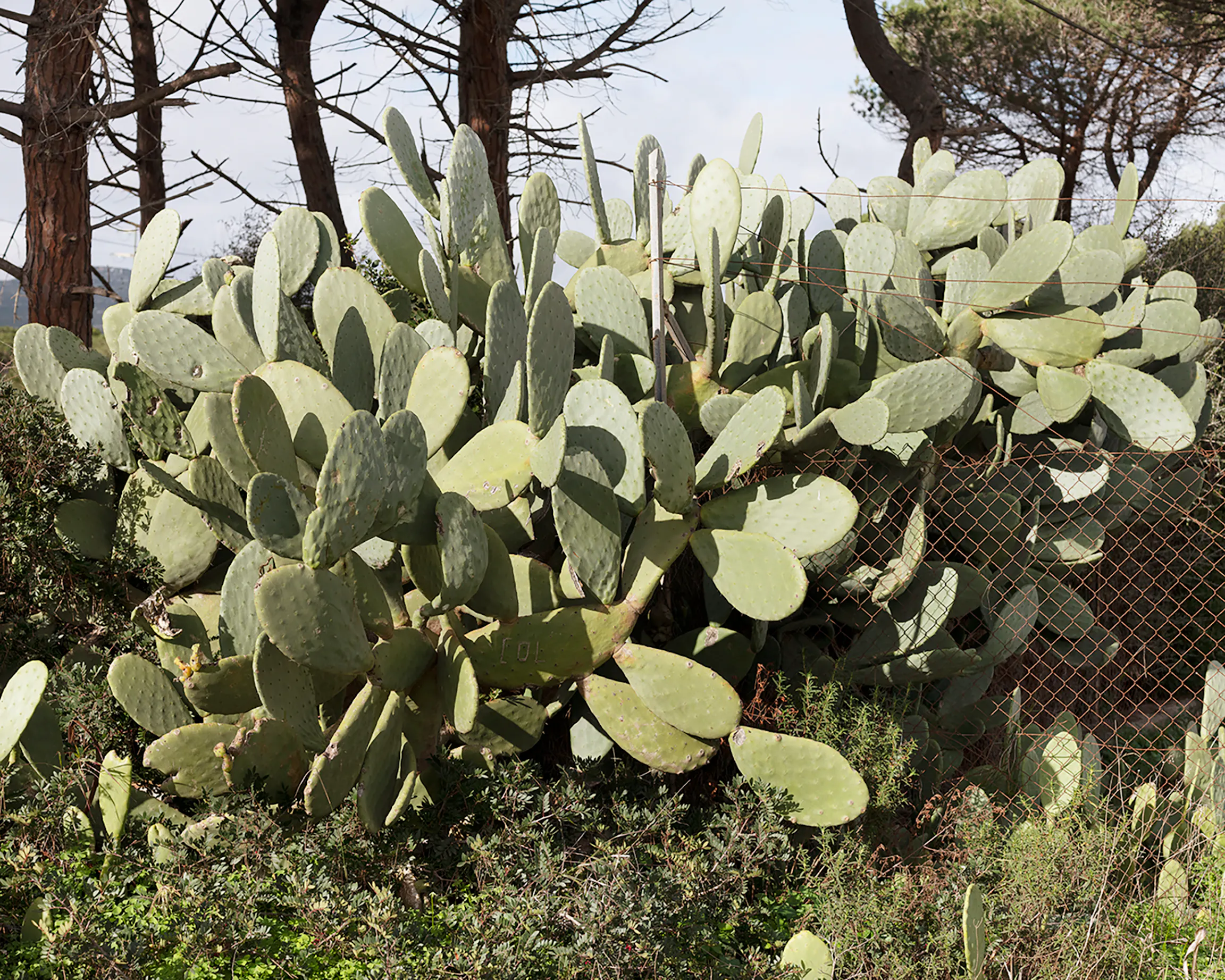

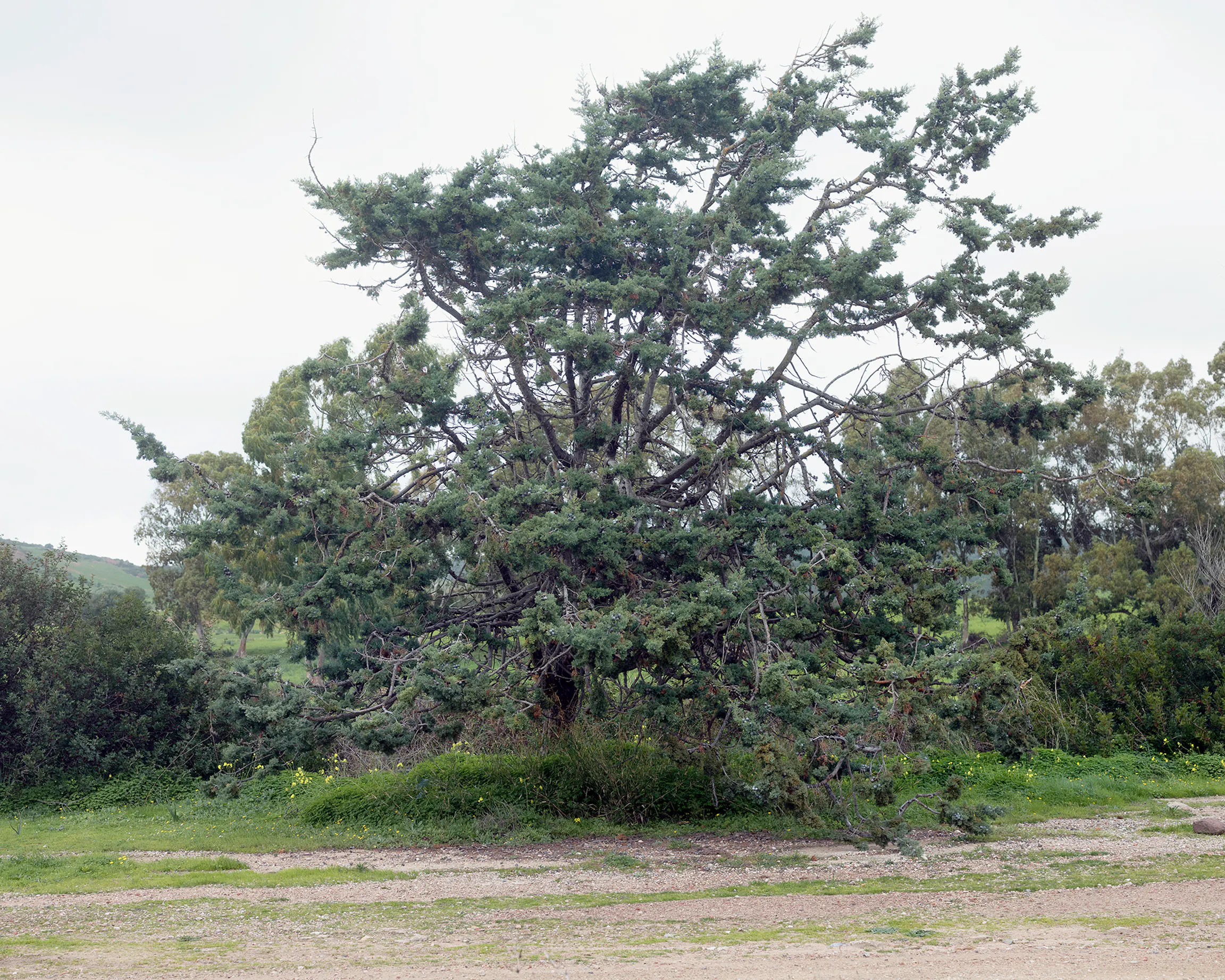
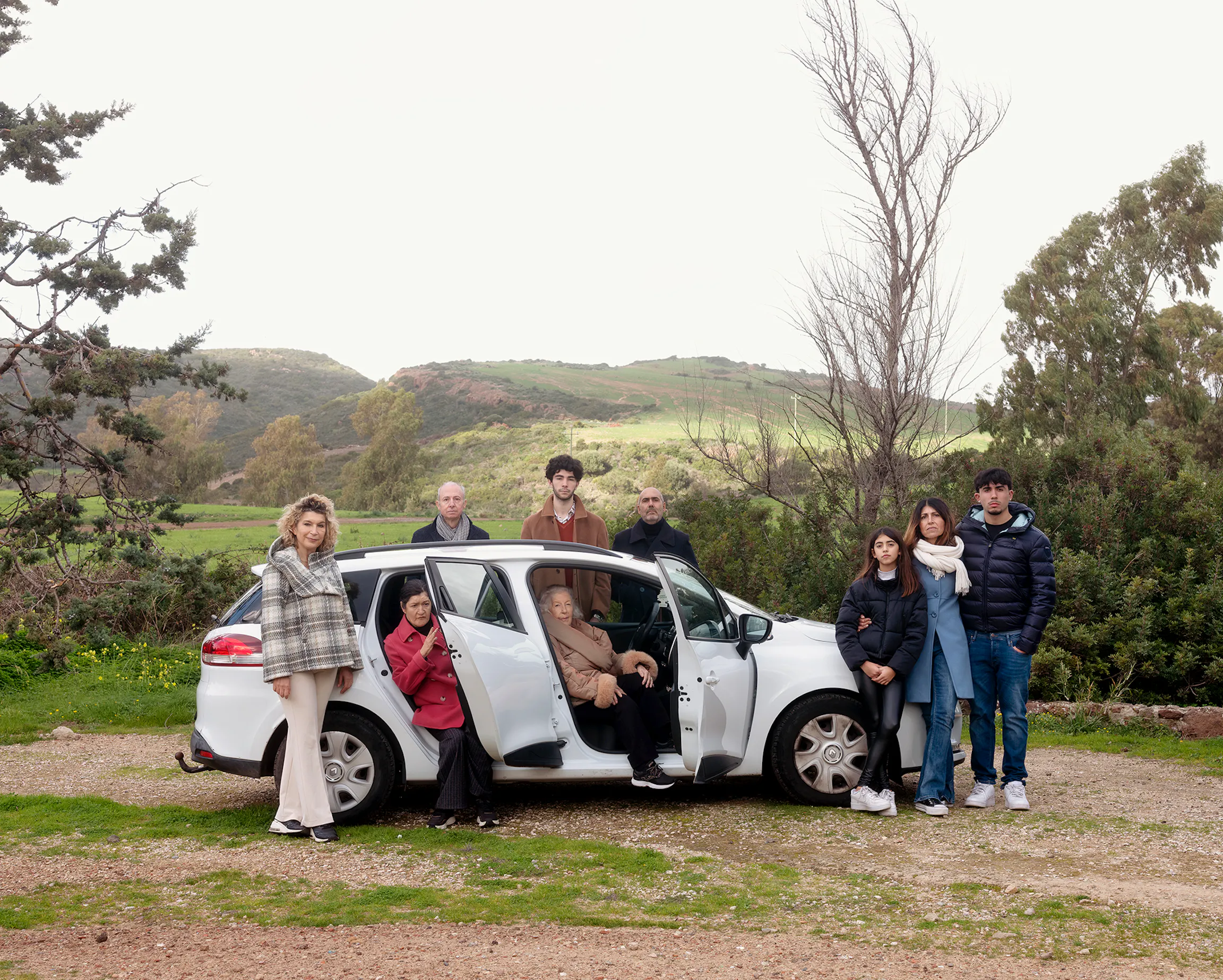
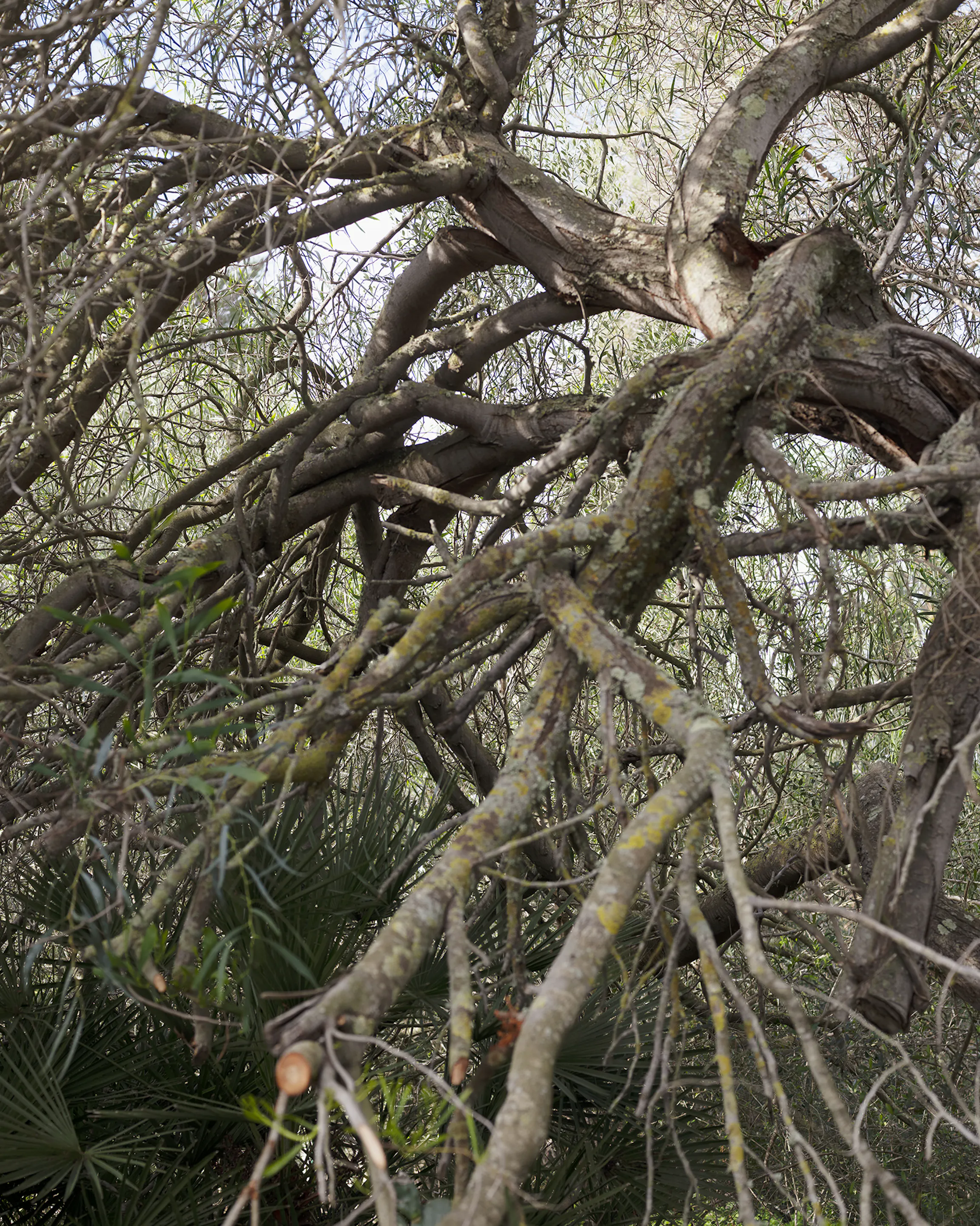
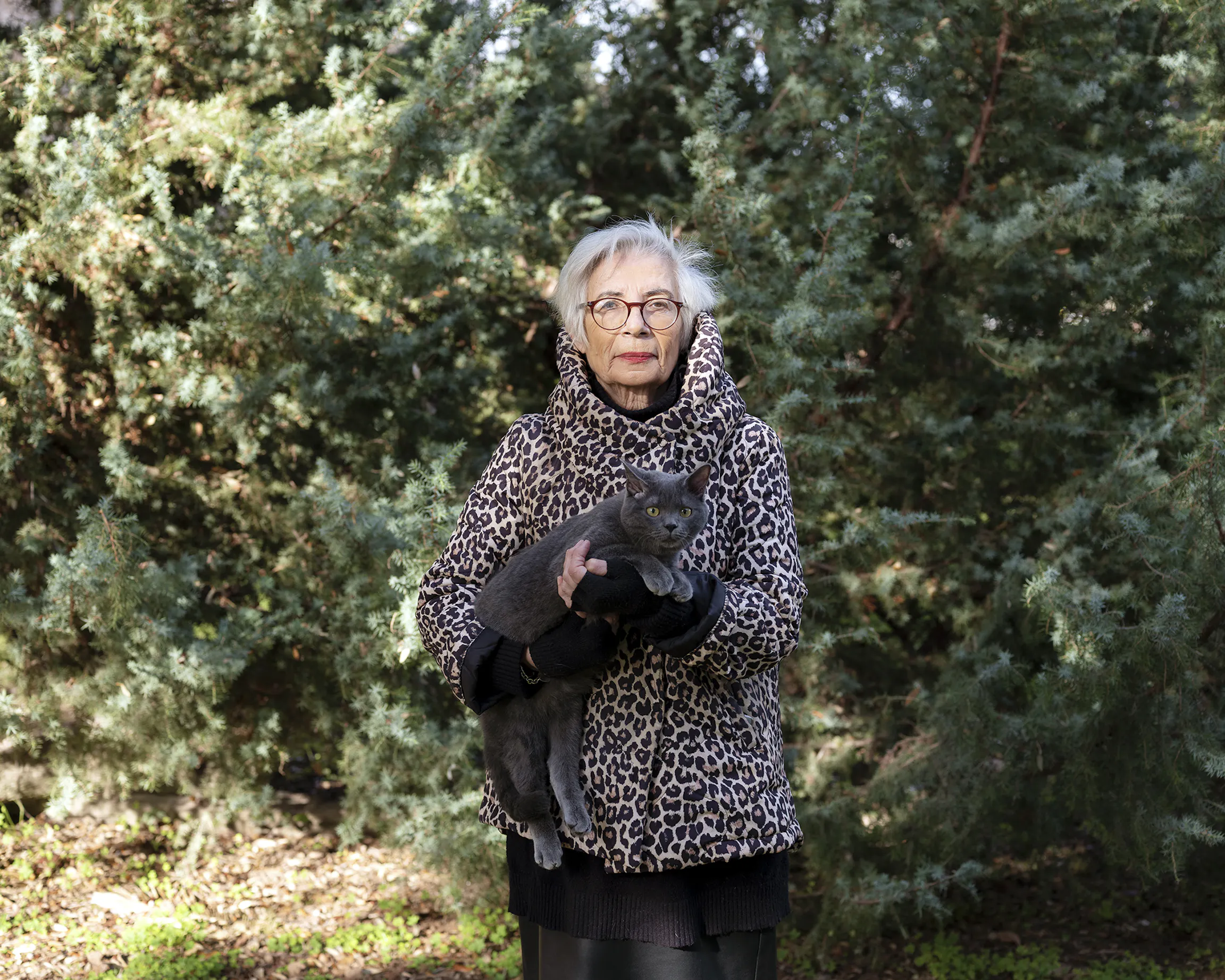
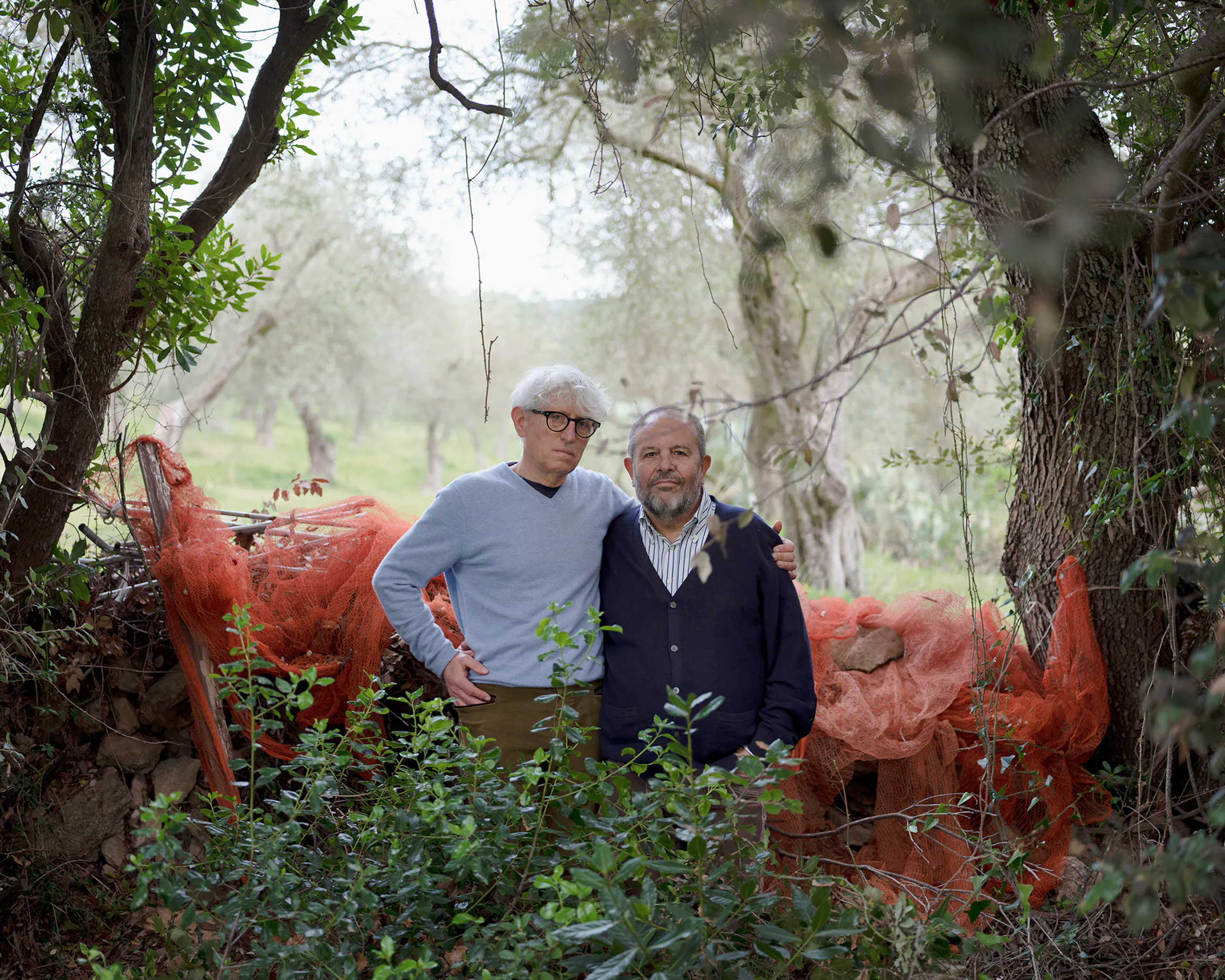
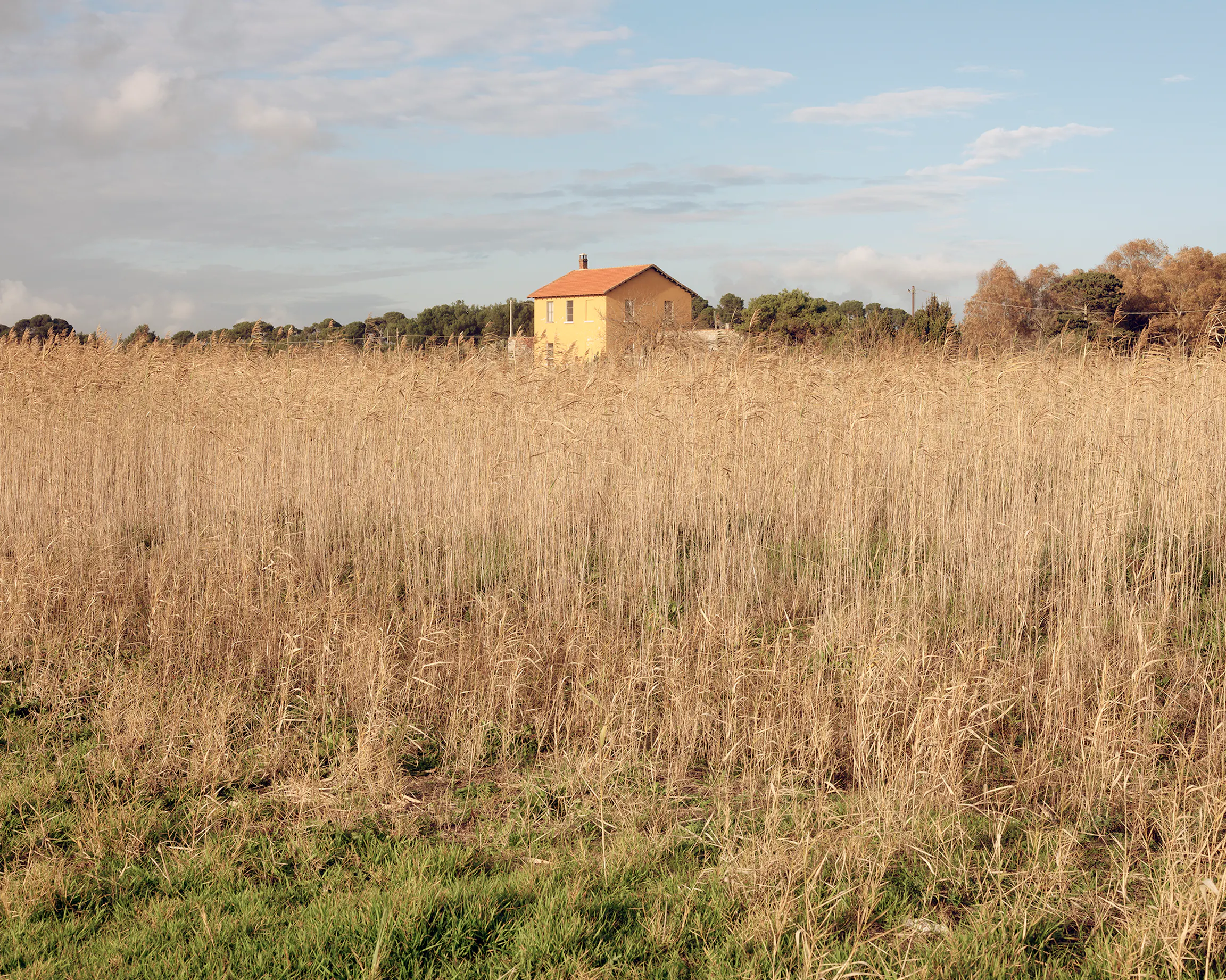
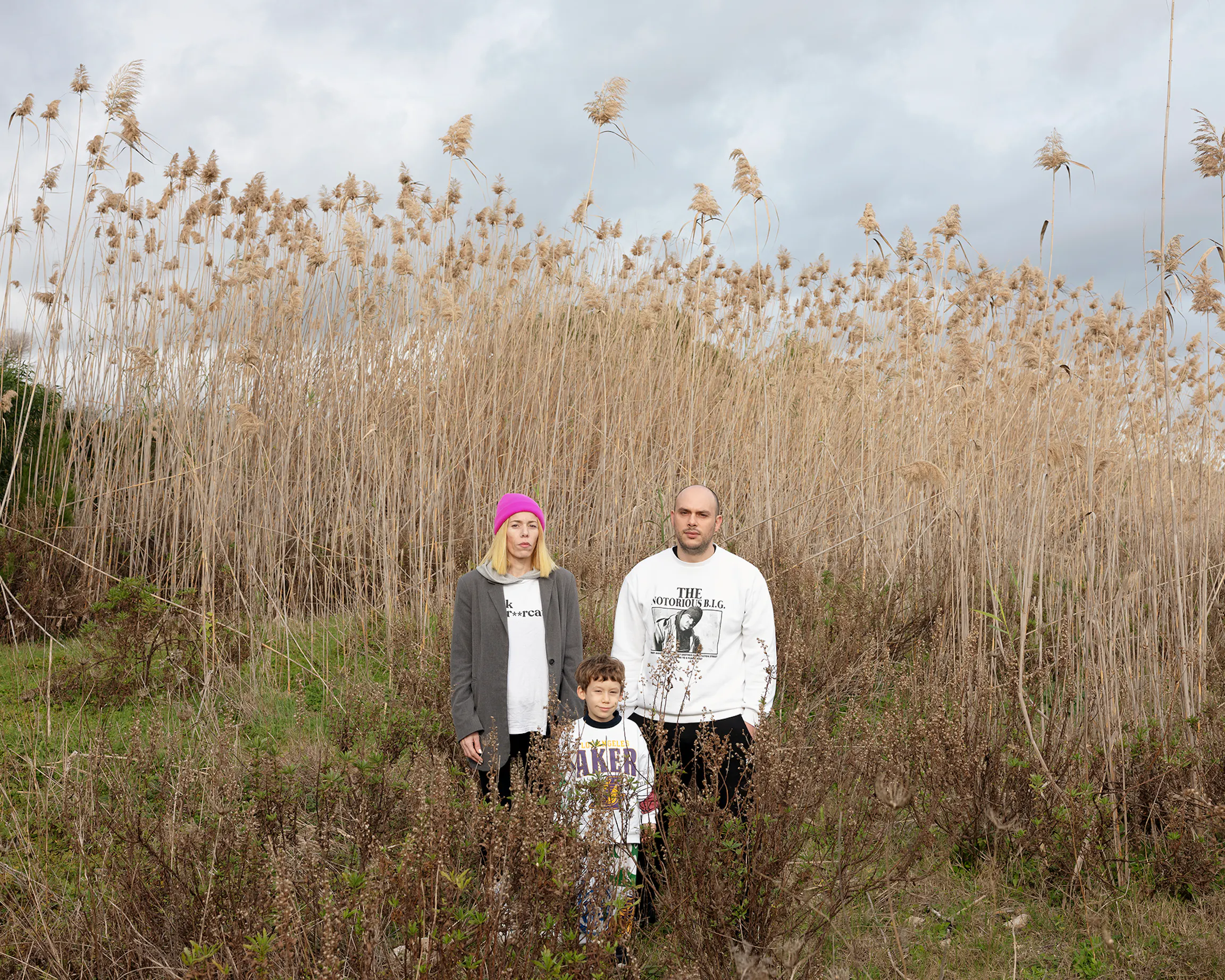
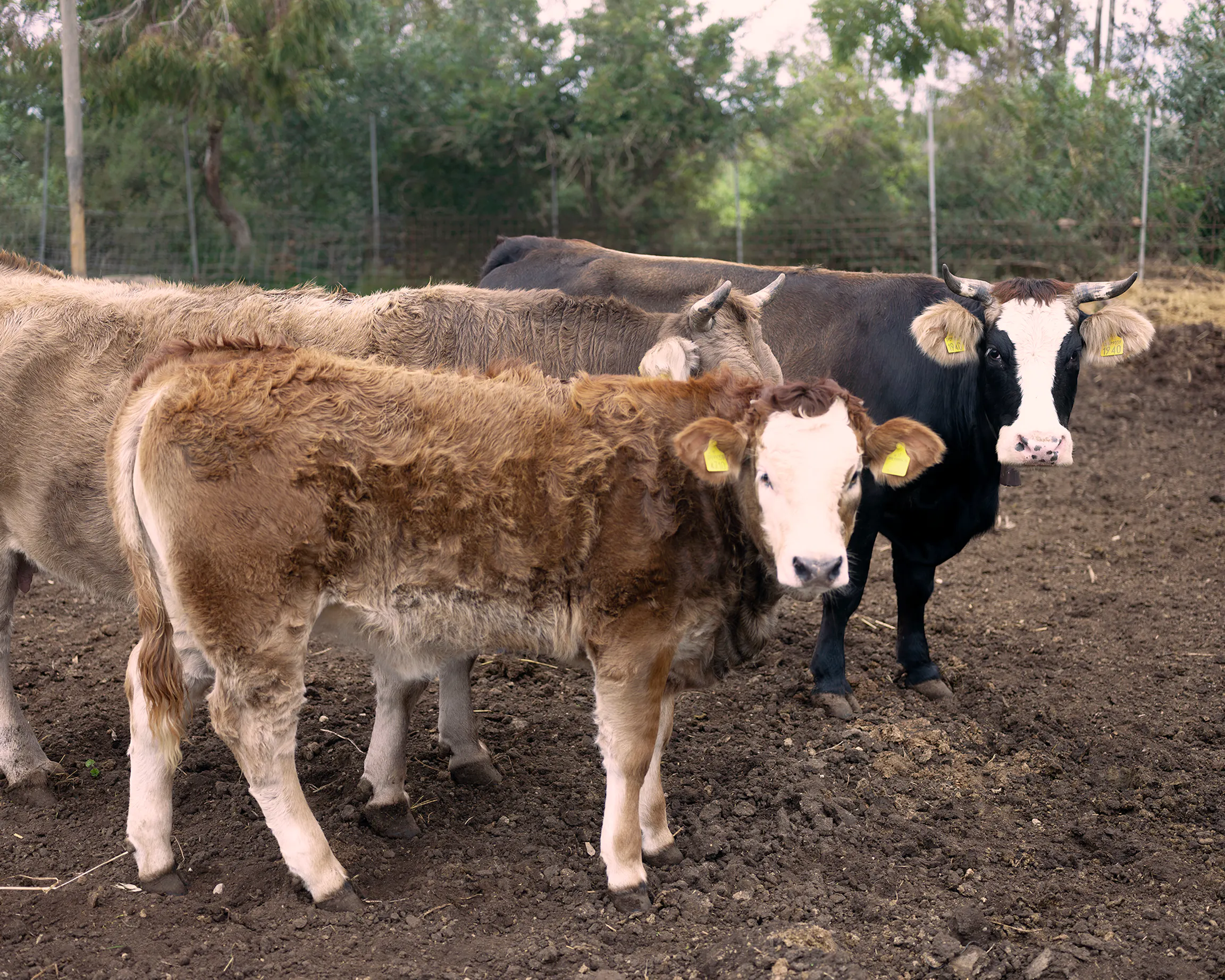
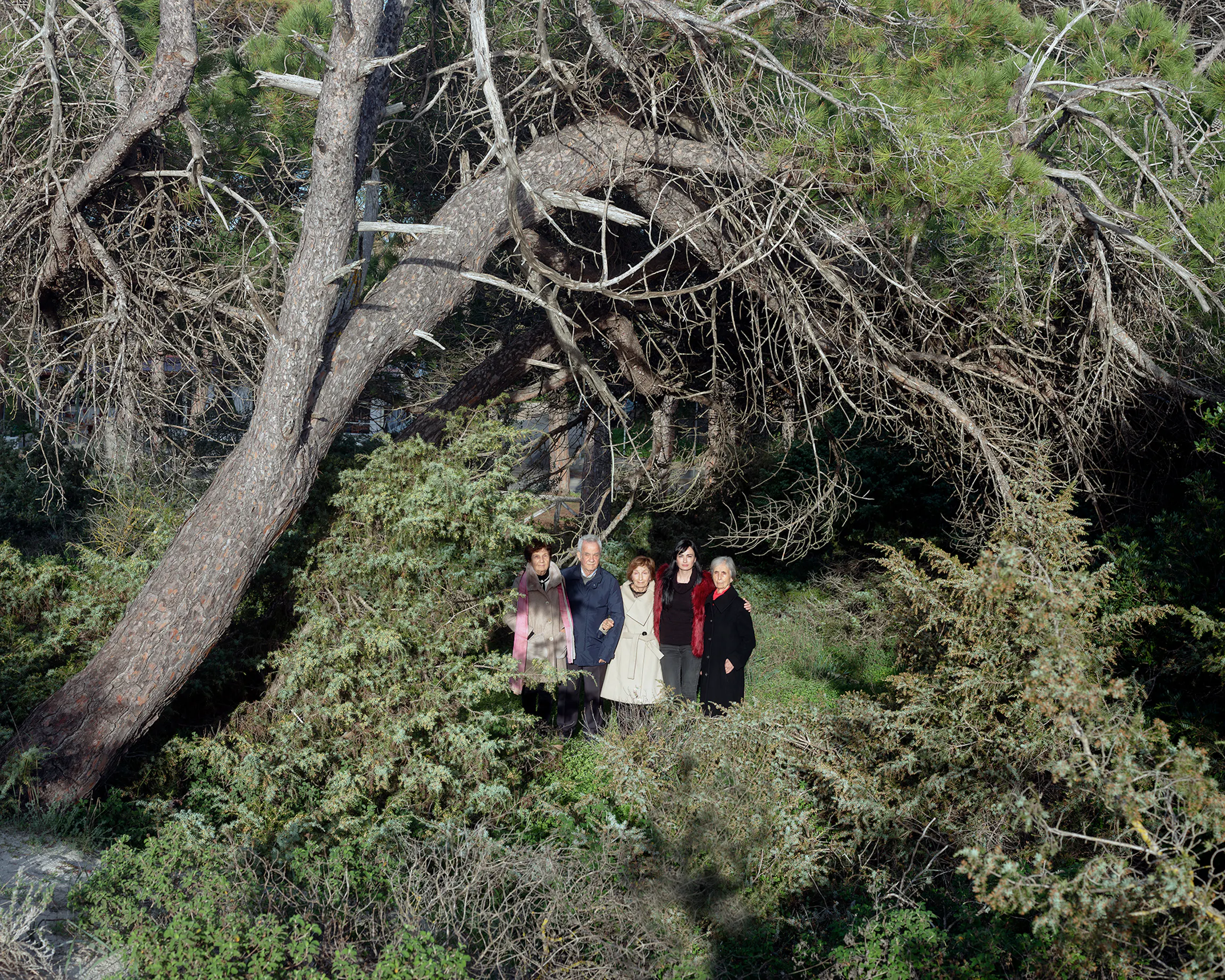
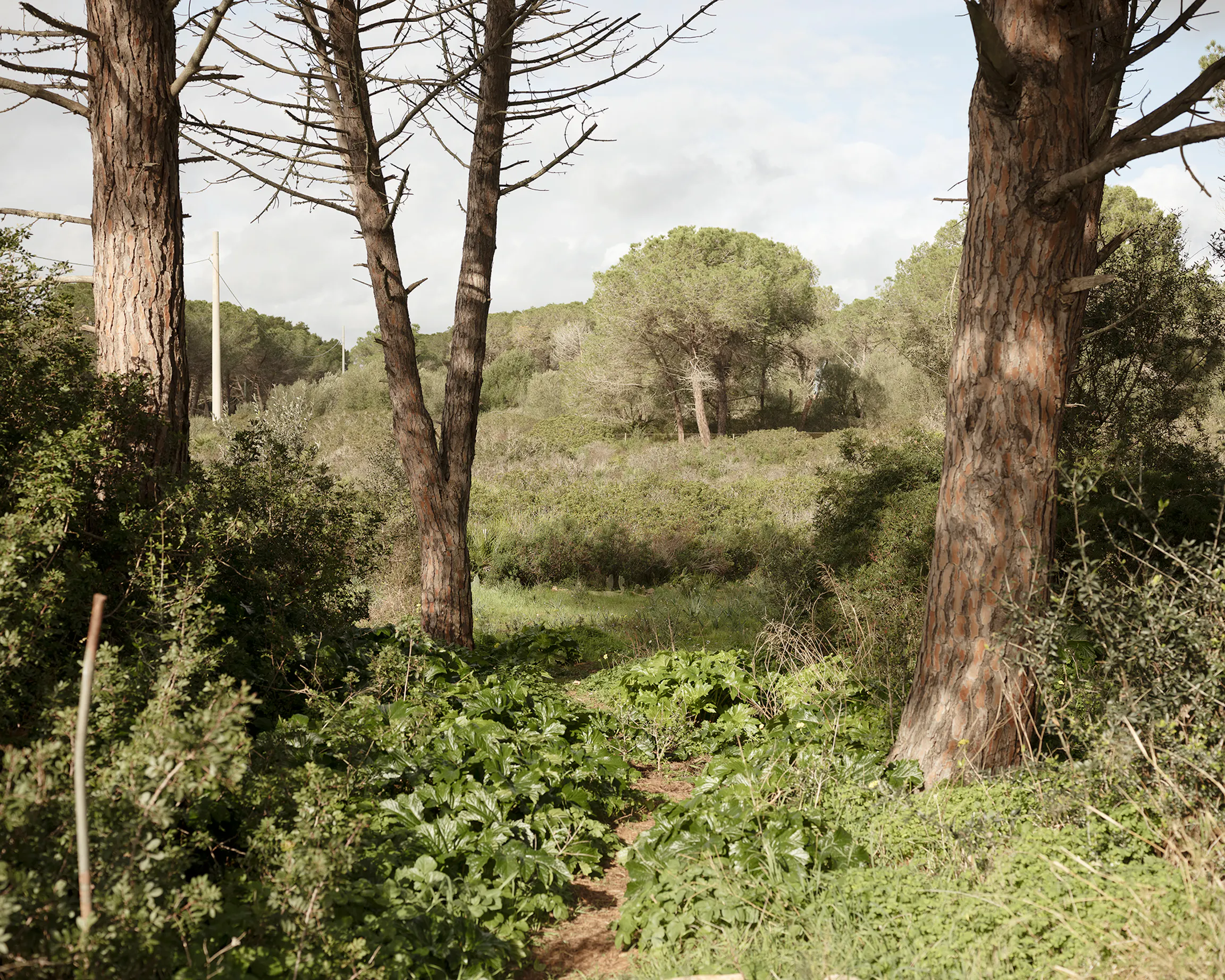
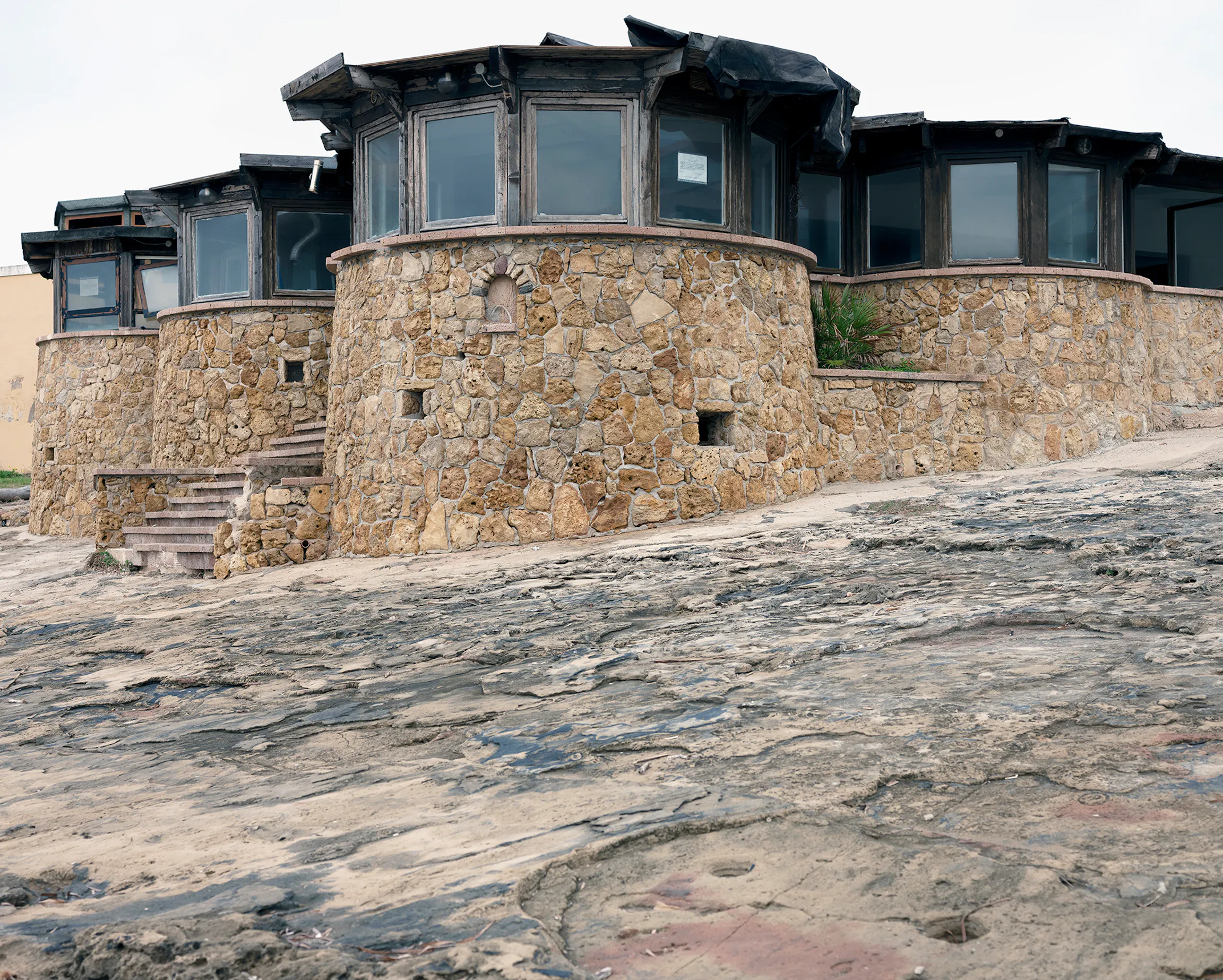
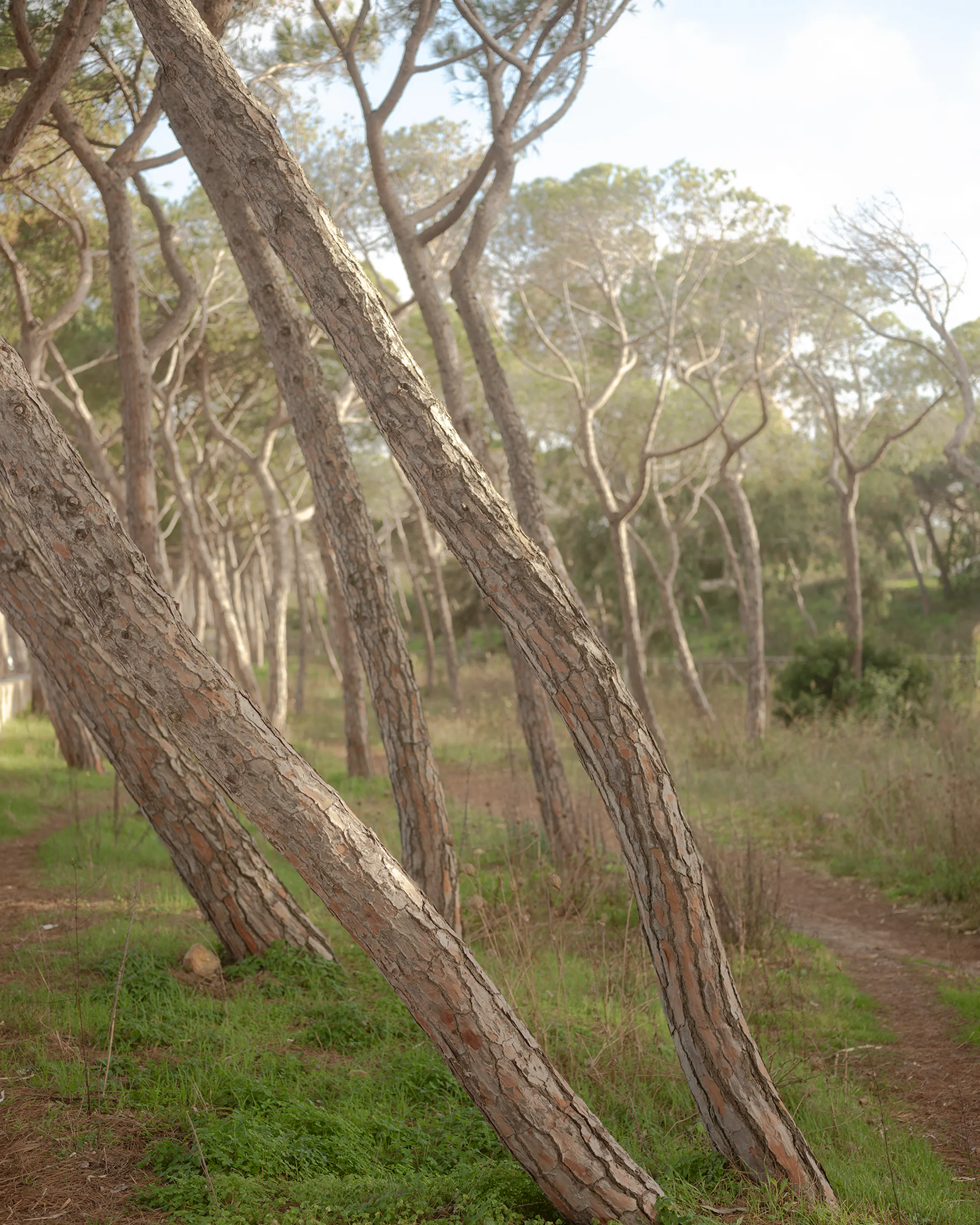
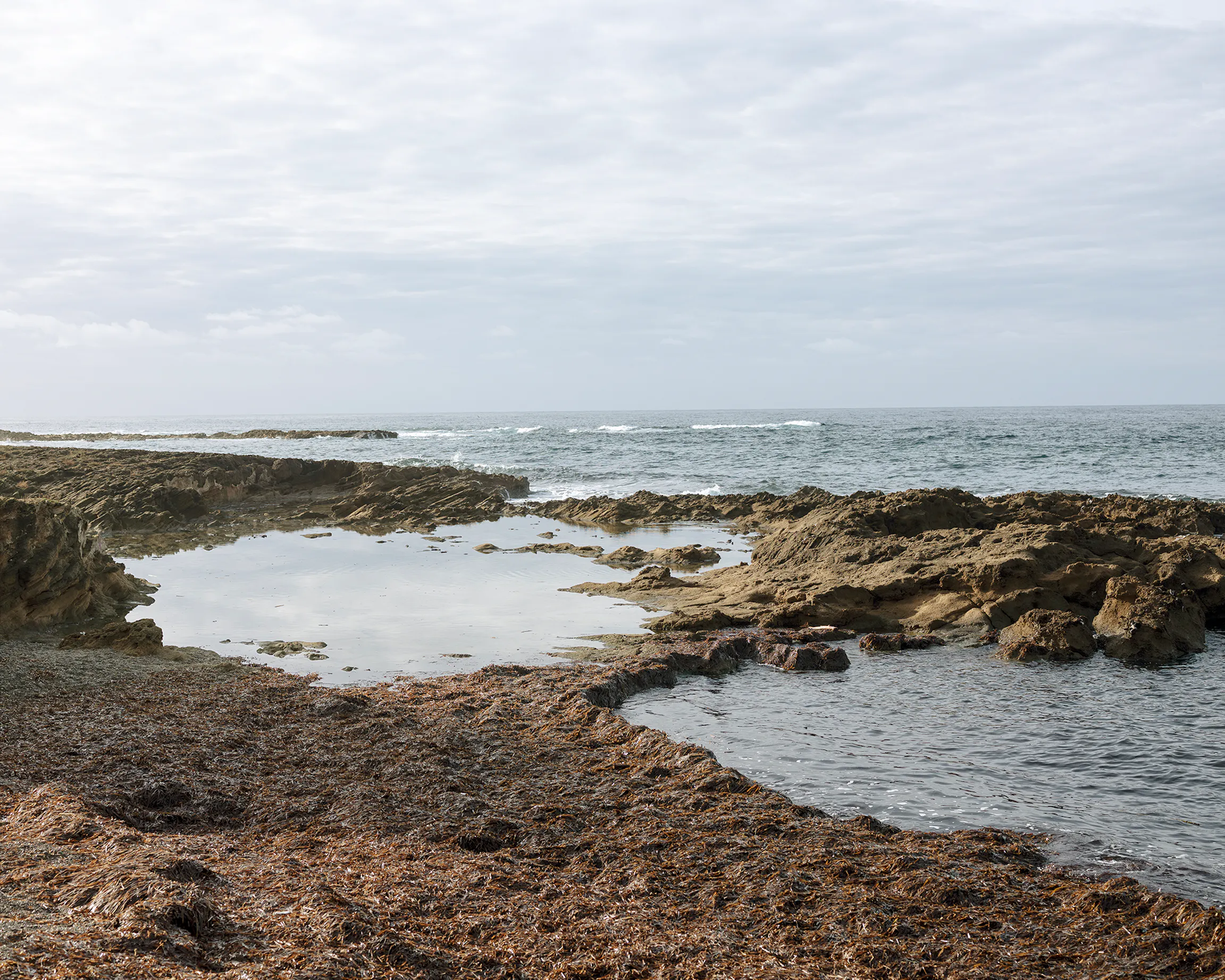
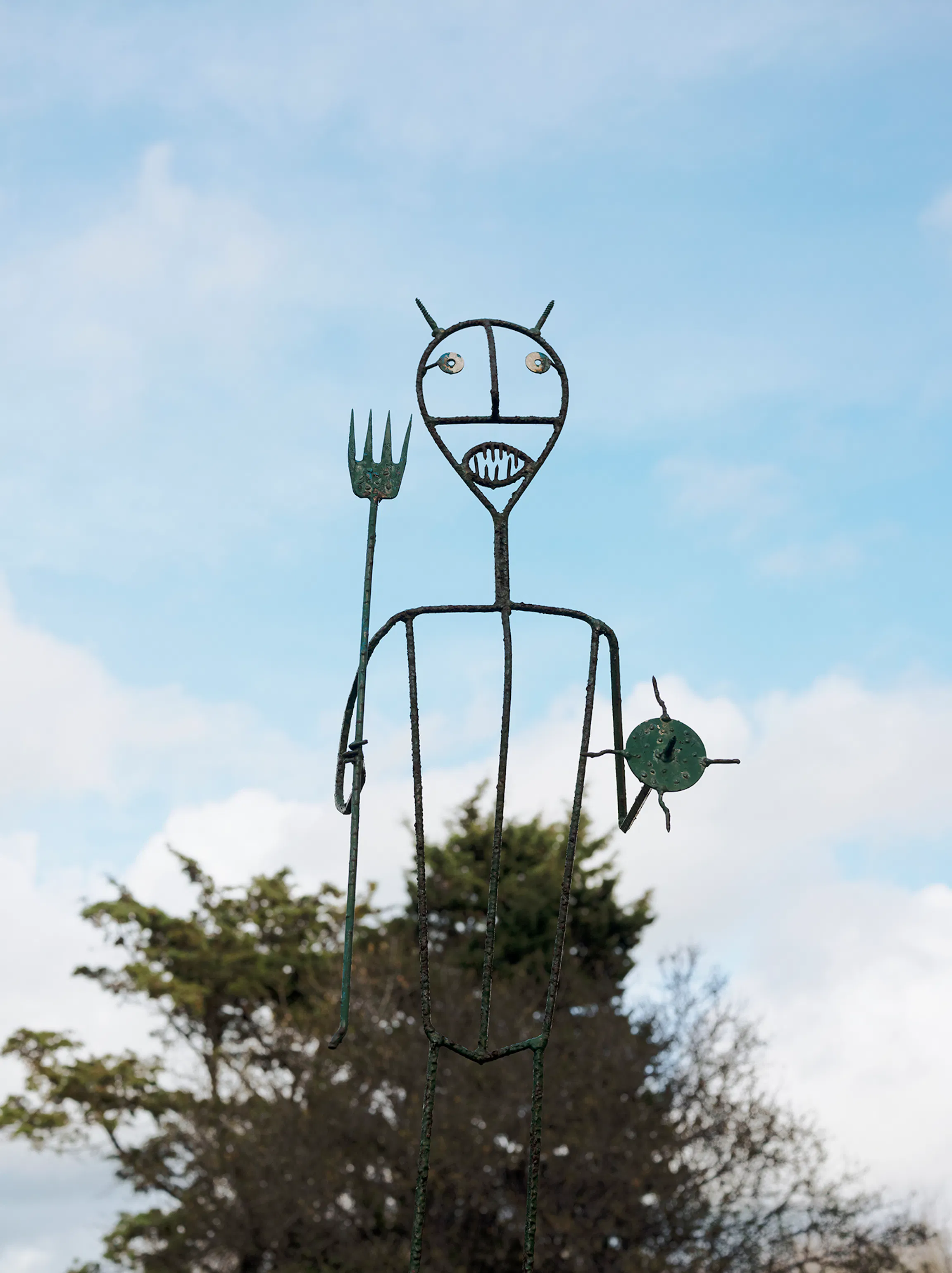
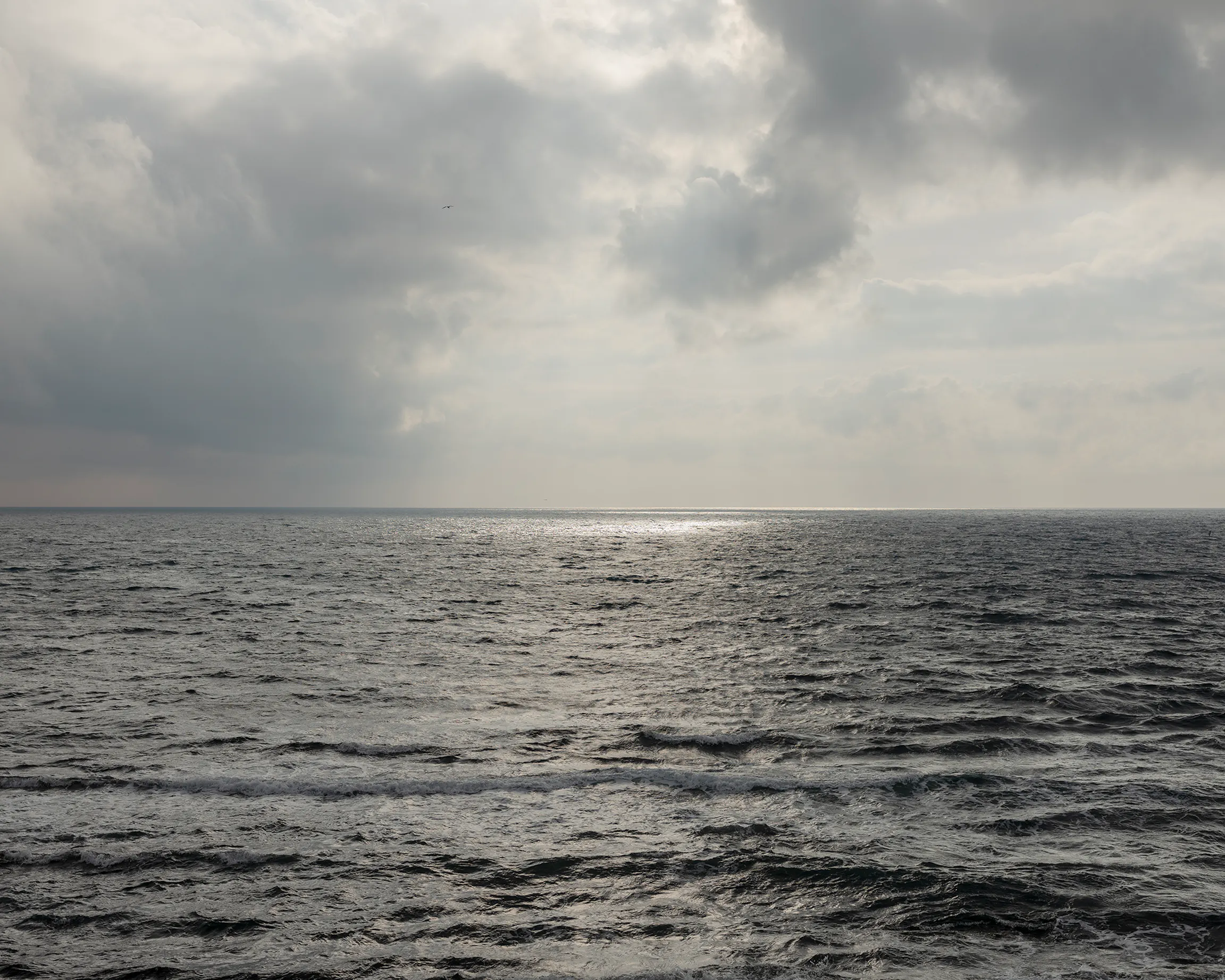
The family, the primary nucleus of the structure of society, is a realistic expression of the social changes under way. The word lligams – bonds of endearment, love – refers to the ties that keep people together. If the national laws prove to be short-sighted before social transformations, photography genuinely reflects rituals and mechanisms. In these portraits of the families of a new generation, what emerges is the multifaceted nature of its transformation.
La famiglia, nucleo primario della struttura sociale, è un’espressione realistica dei cambiamenti sociali in atto. Il termine lligams – legame d’affetto, amore – fa riferimento ai legami che tengono unite le persone. Se le leggi di stato si dimostrano miopi davanti alle trasformazioni sociali, la fotografia si interroga autenticamente su riti e meccanismi. In questi ritratti di famiglie di nuova generazione, emerge il carattere plurale delle sue metamorfosi.
CALAMITA/À. An investigation into the Vajont catastrophe
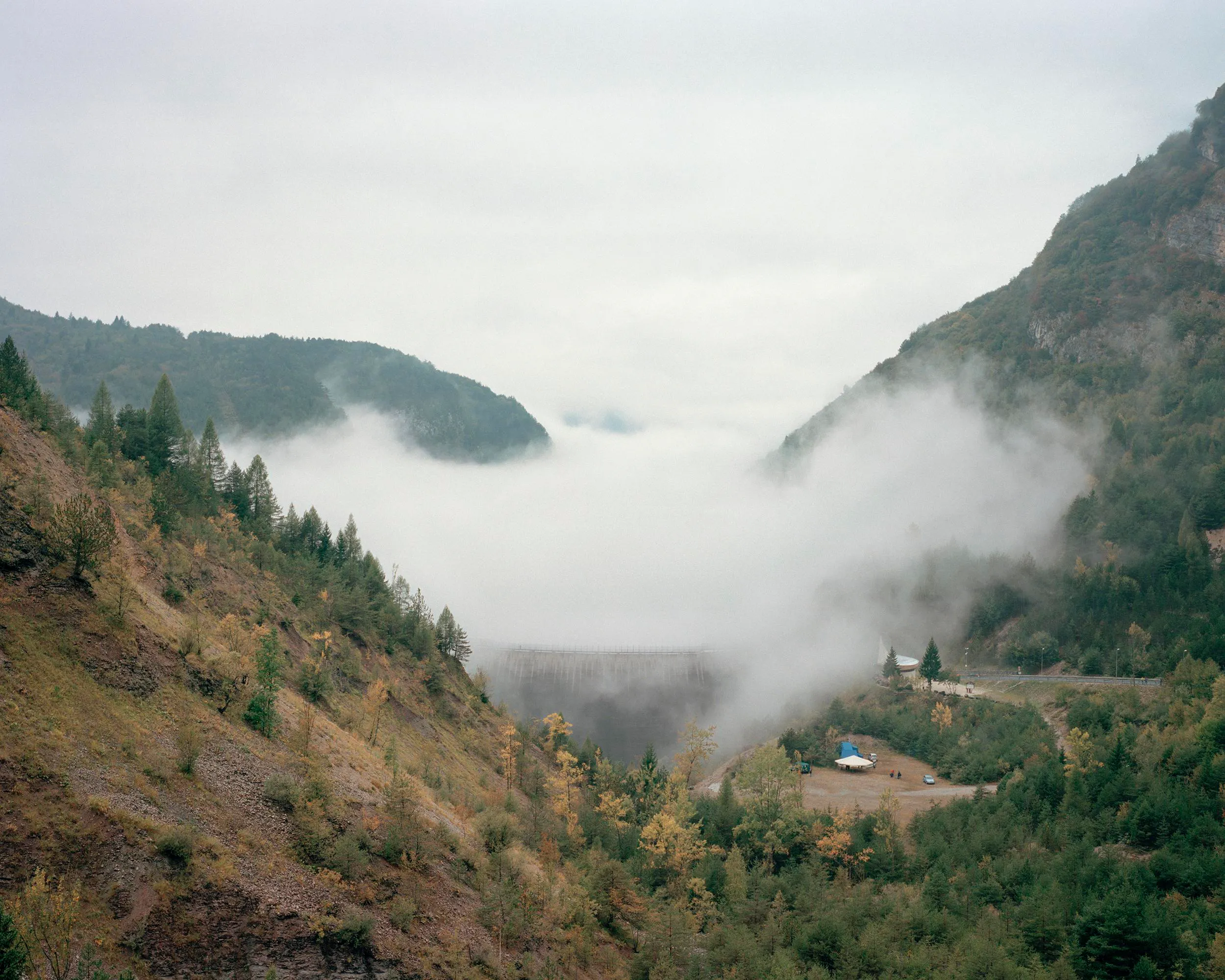
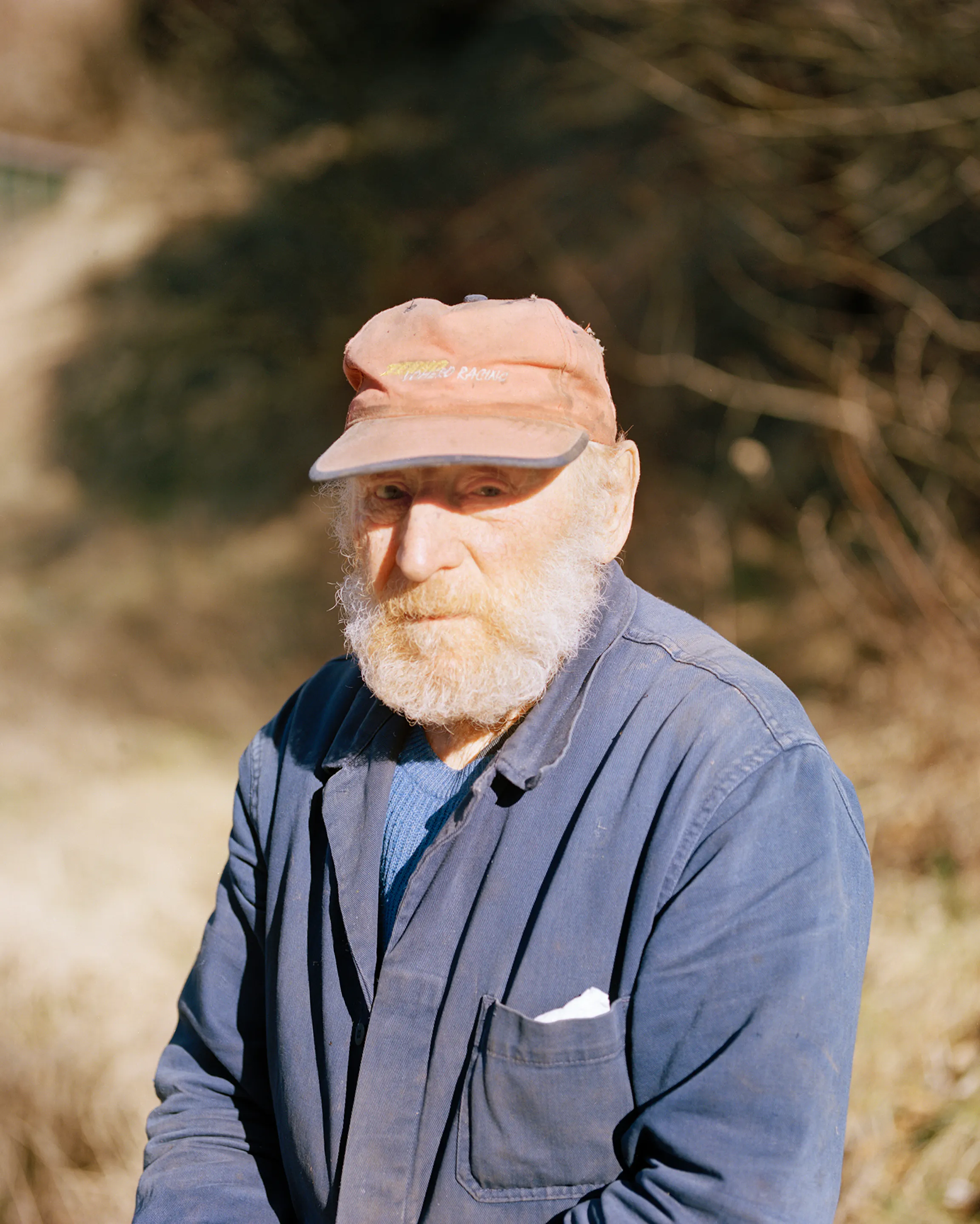
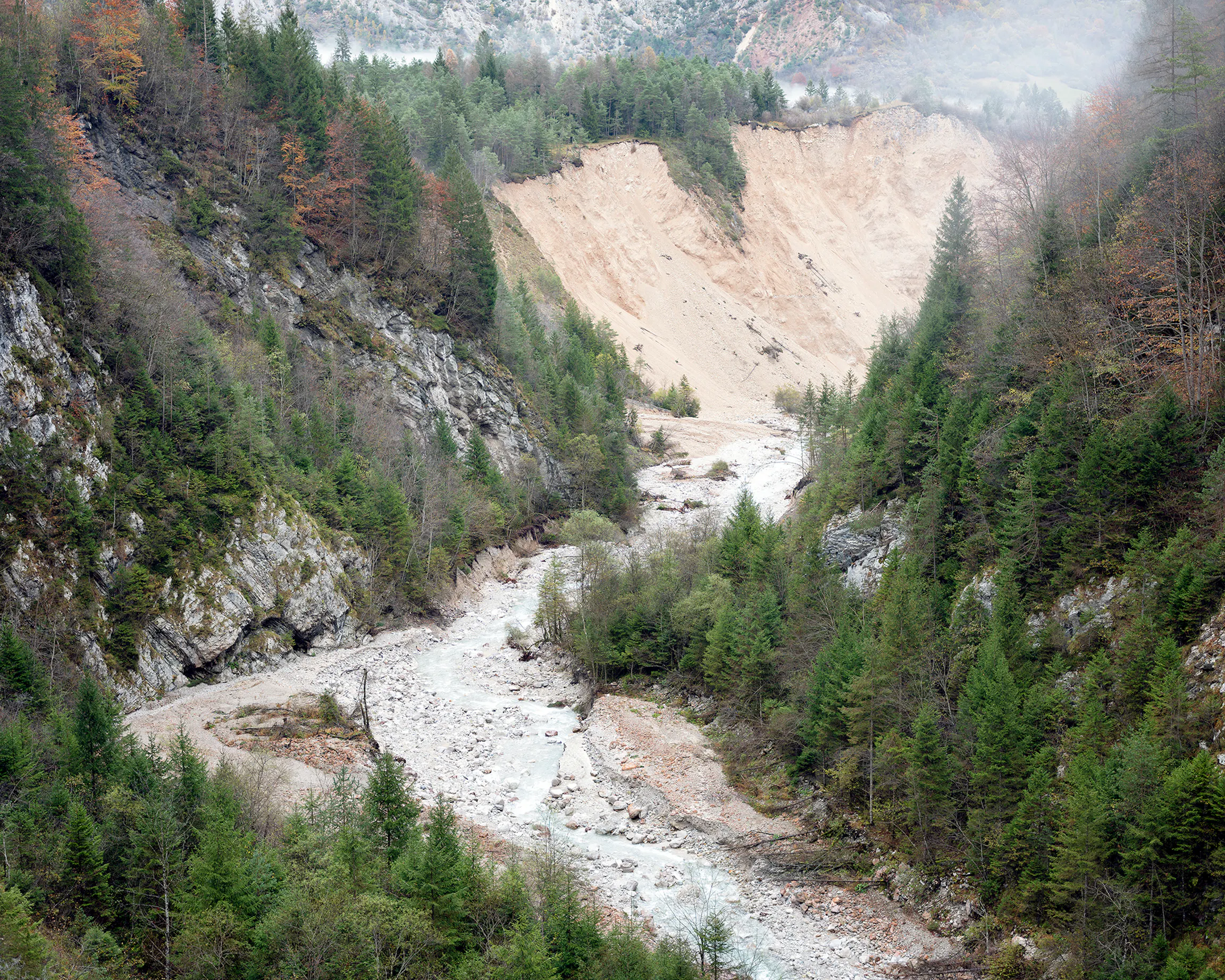
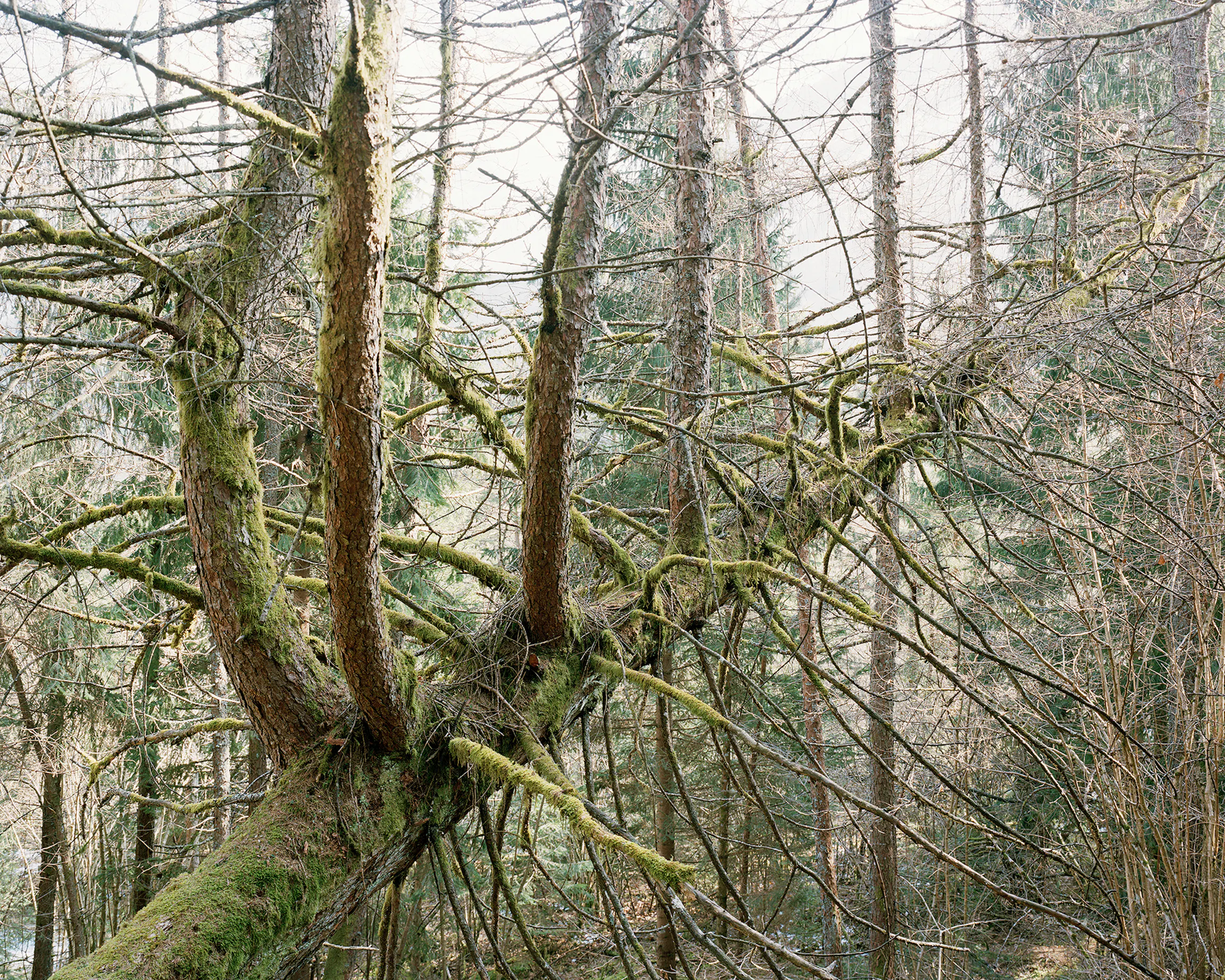
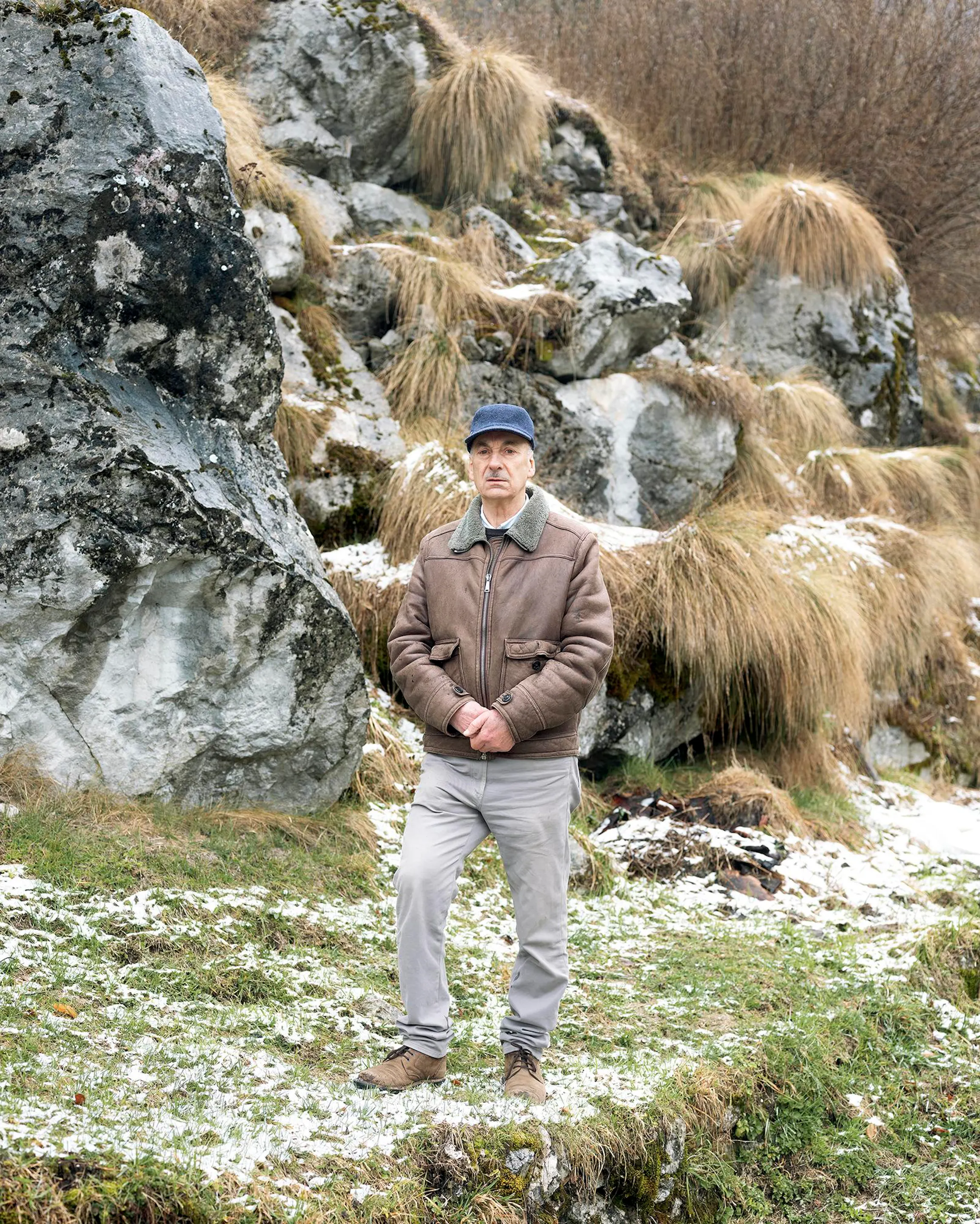
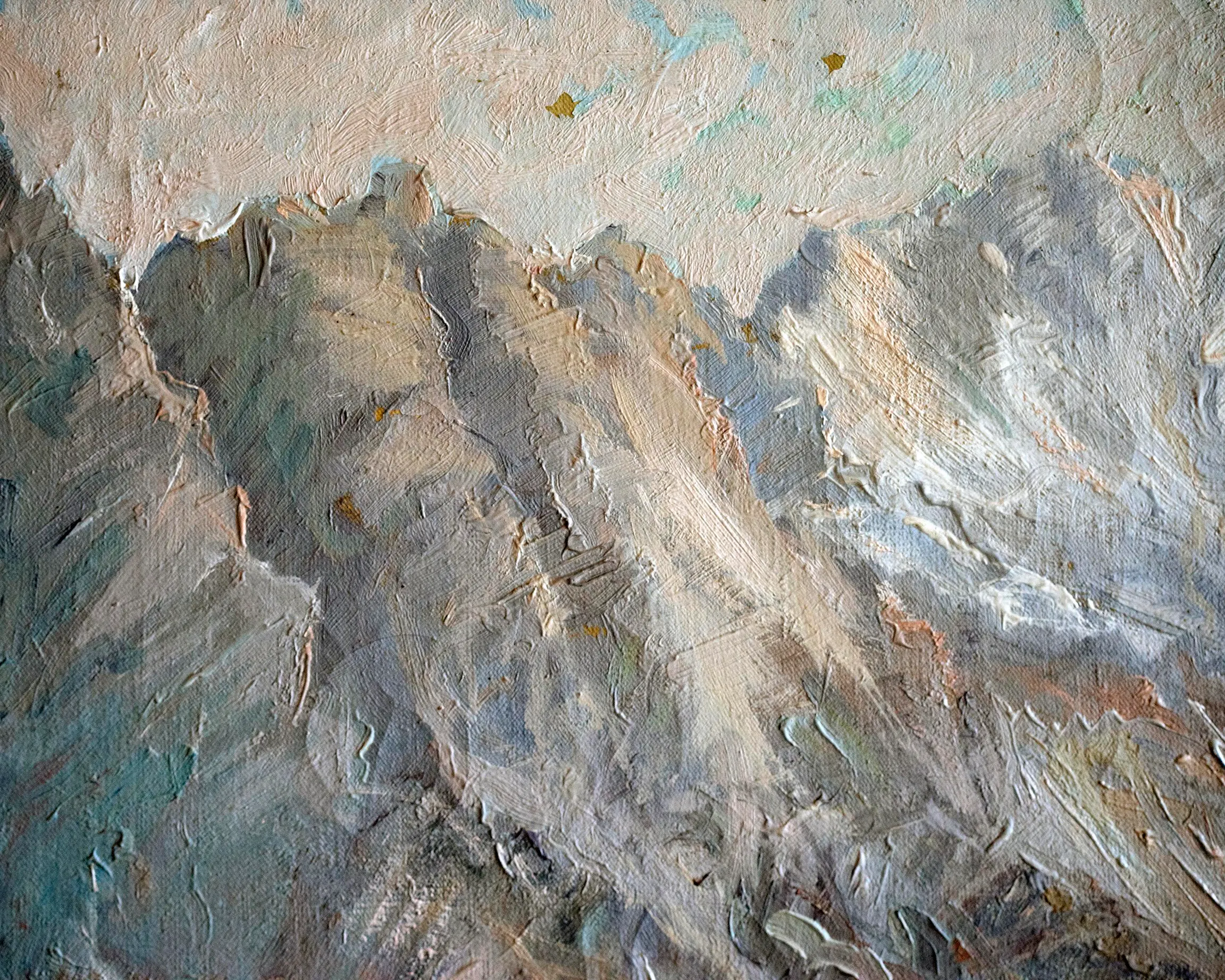
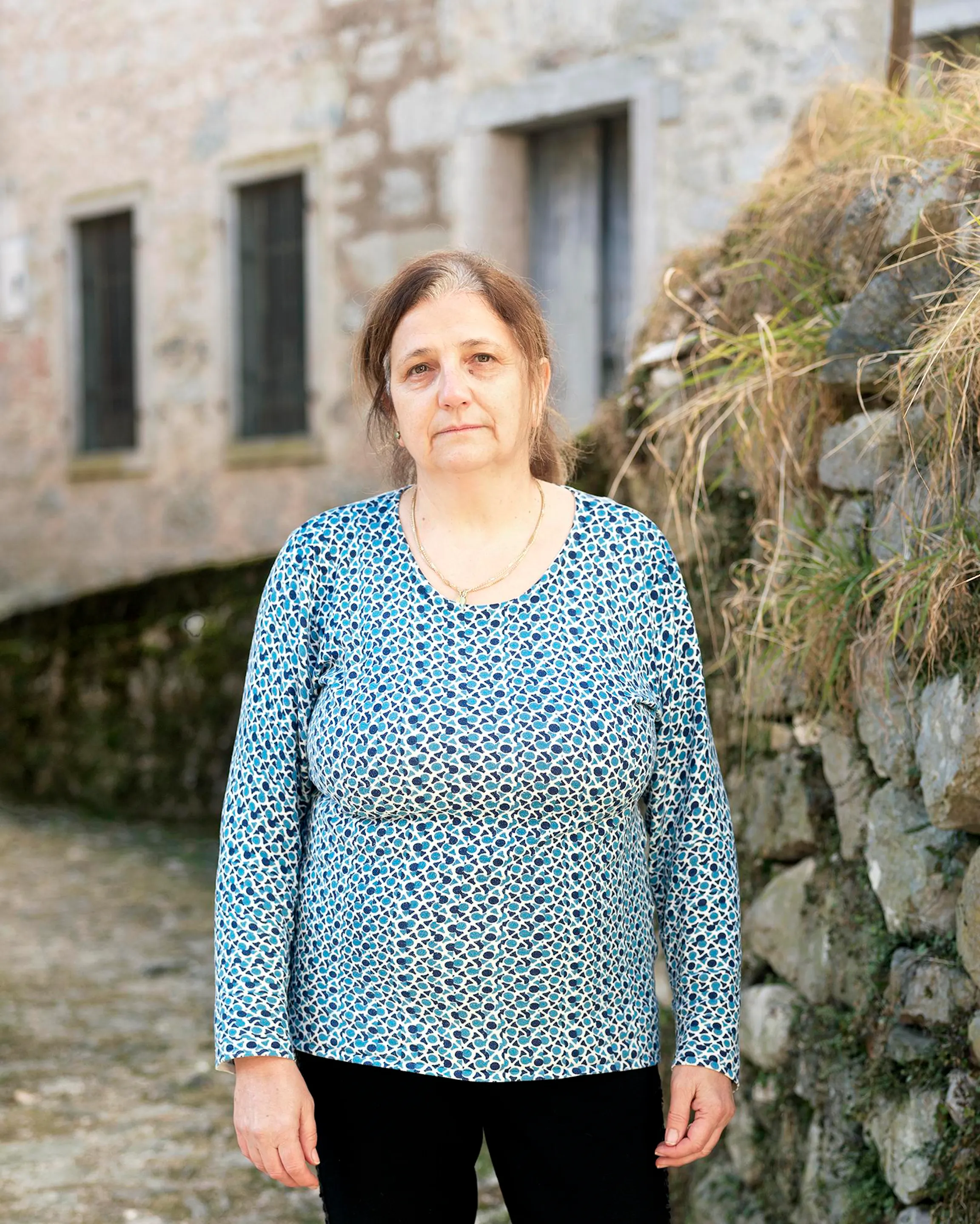
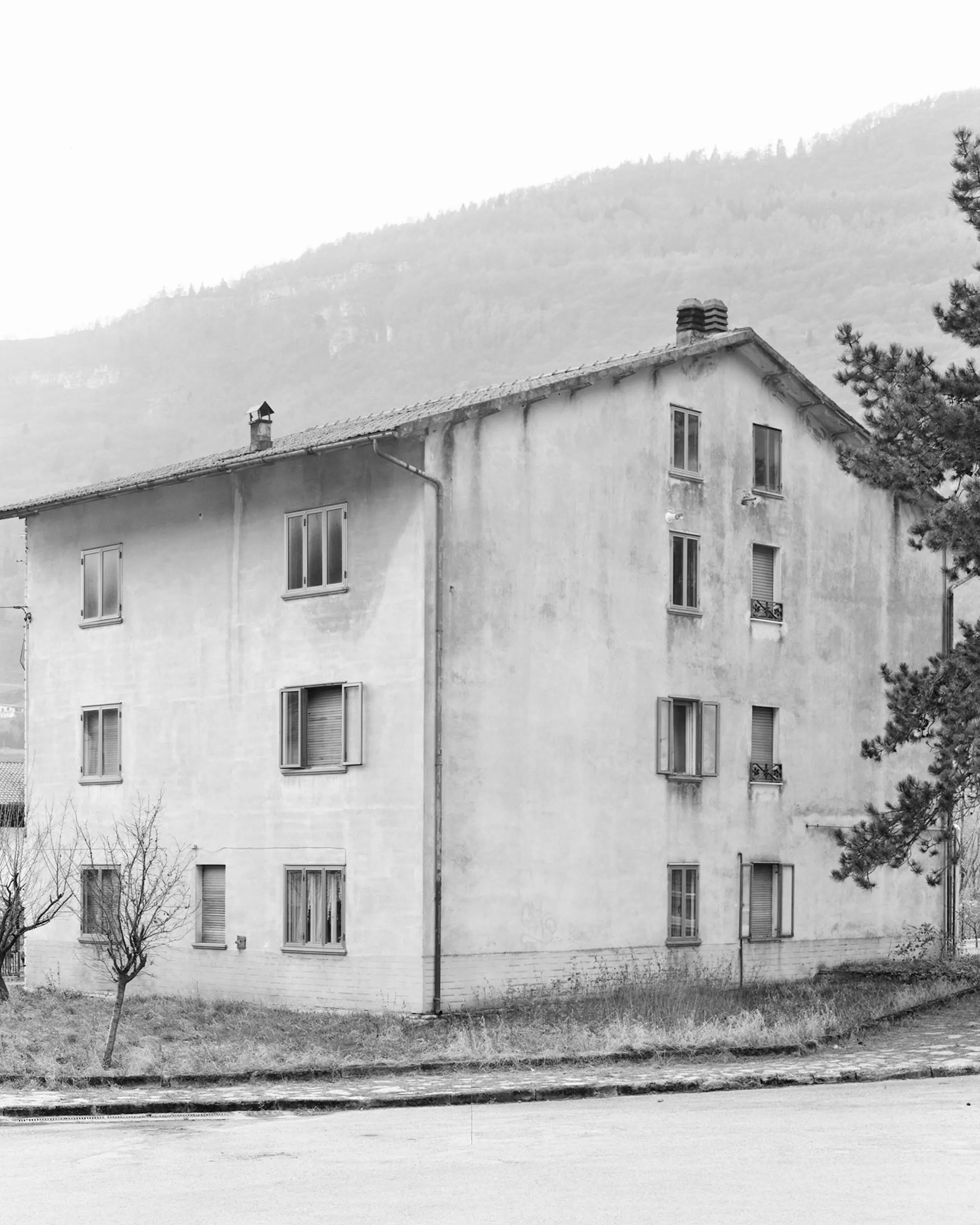
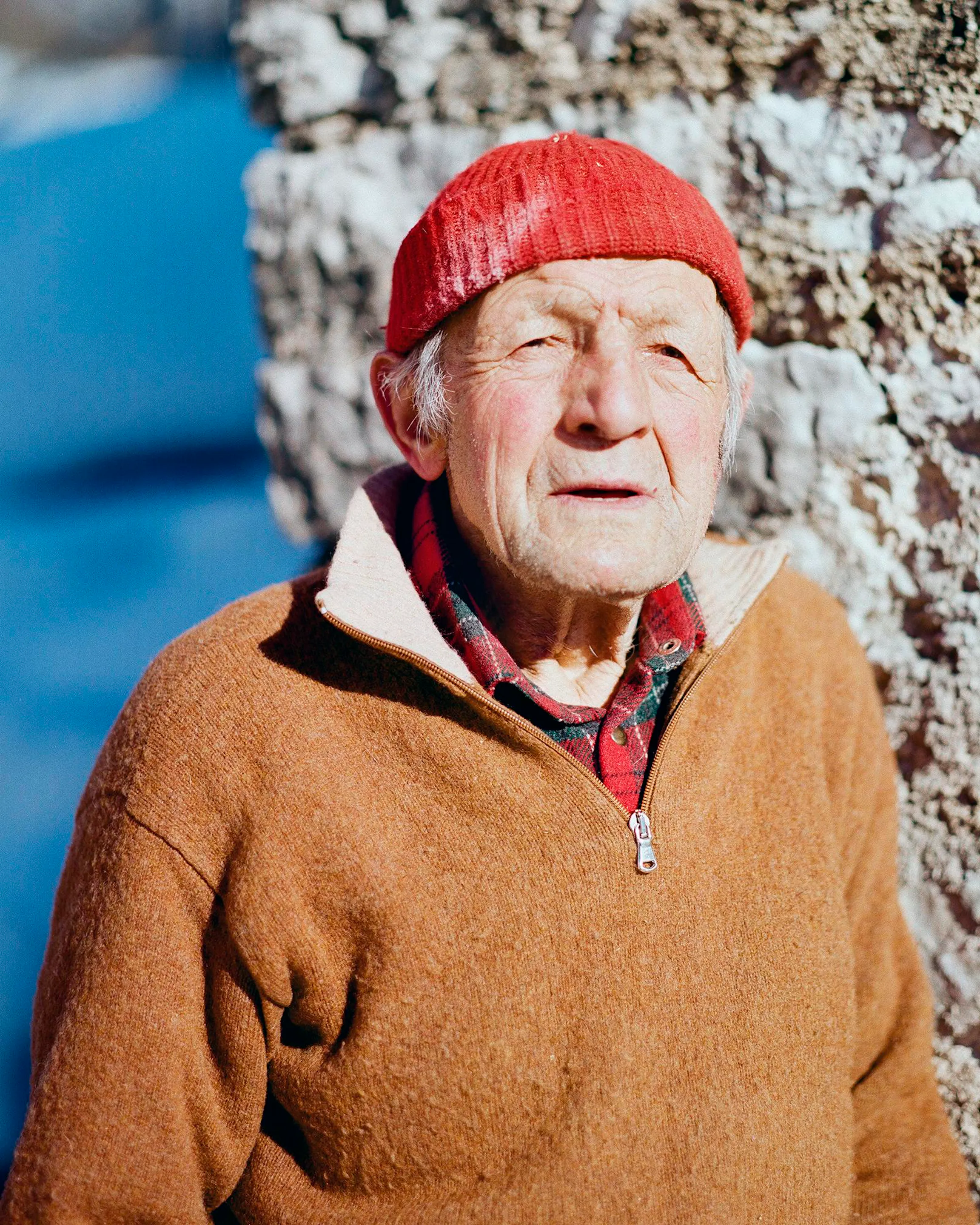
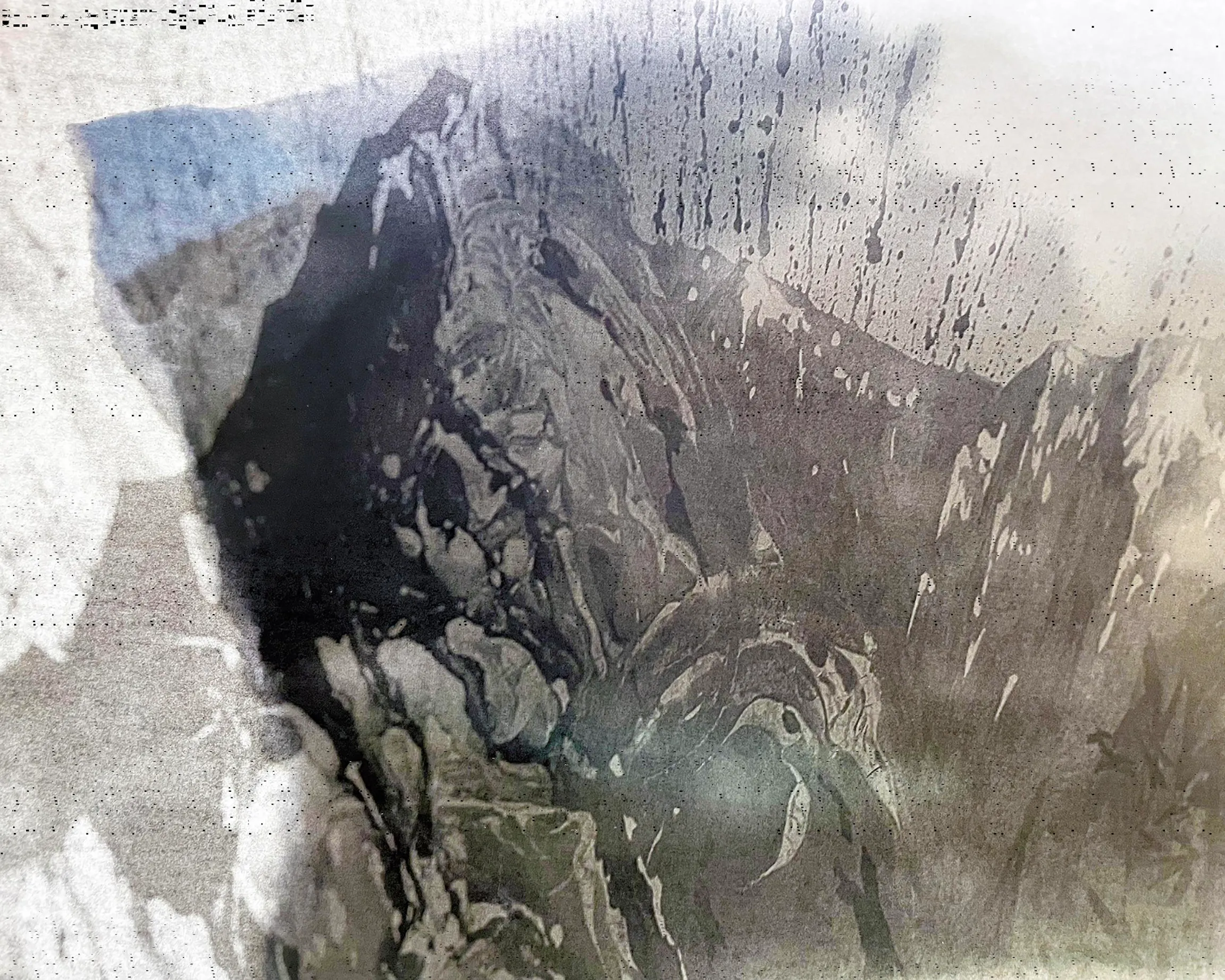
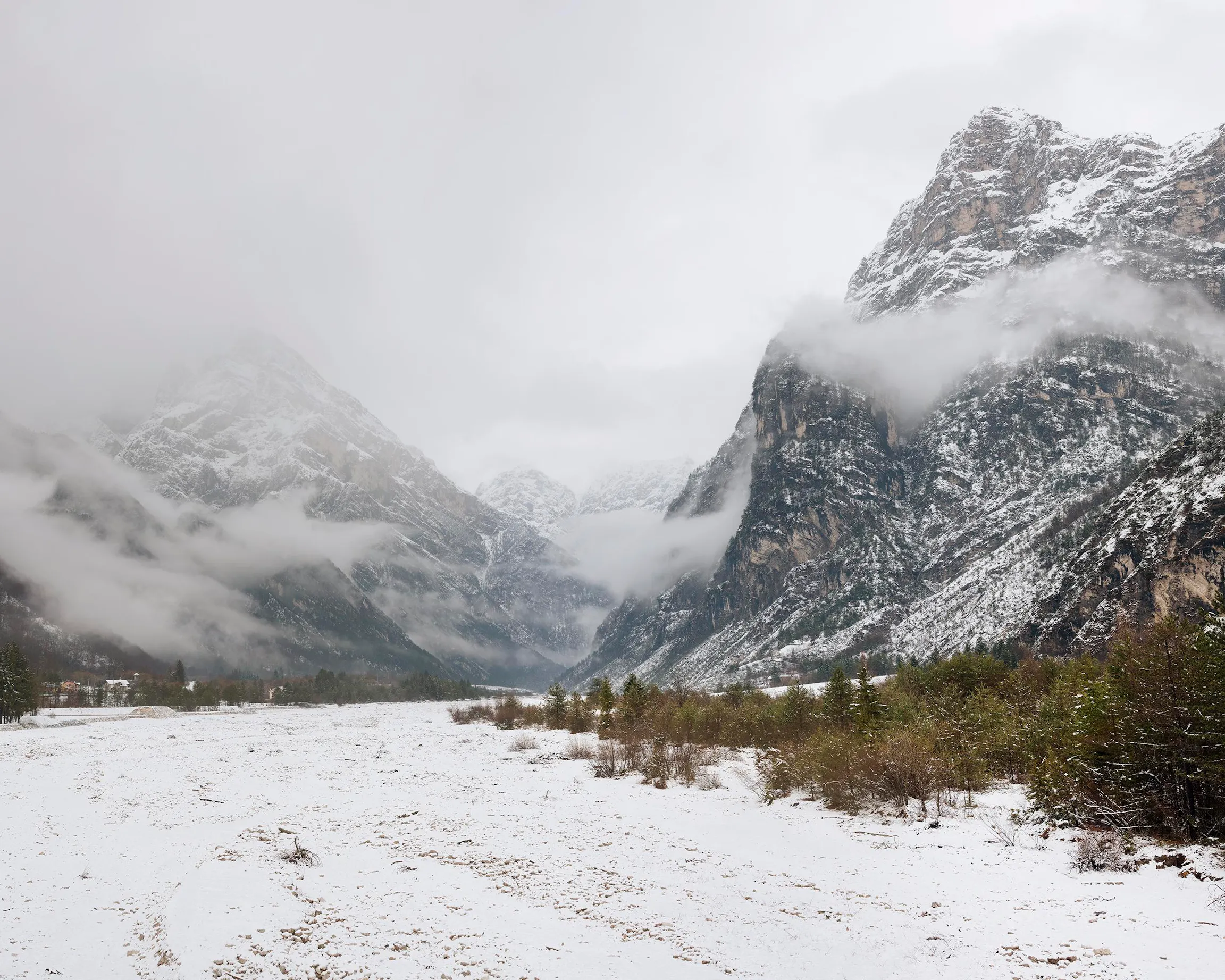
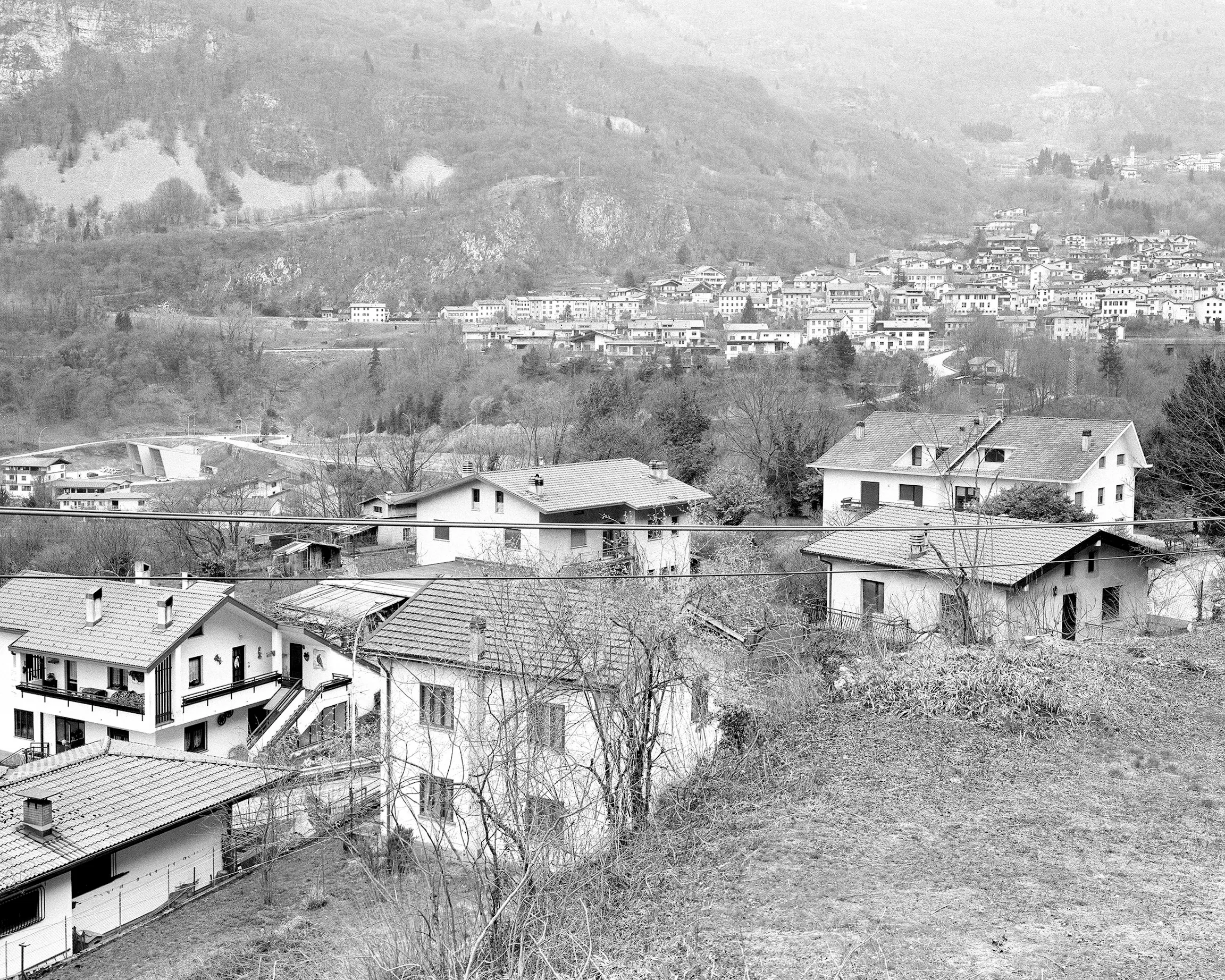
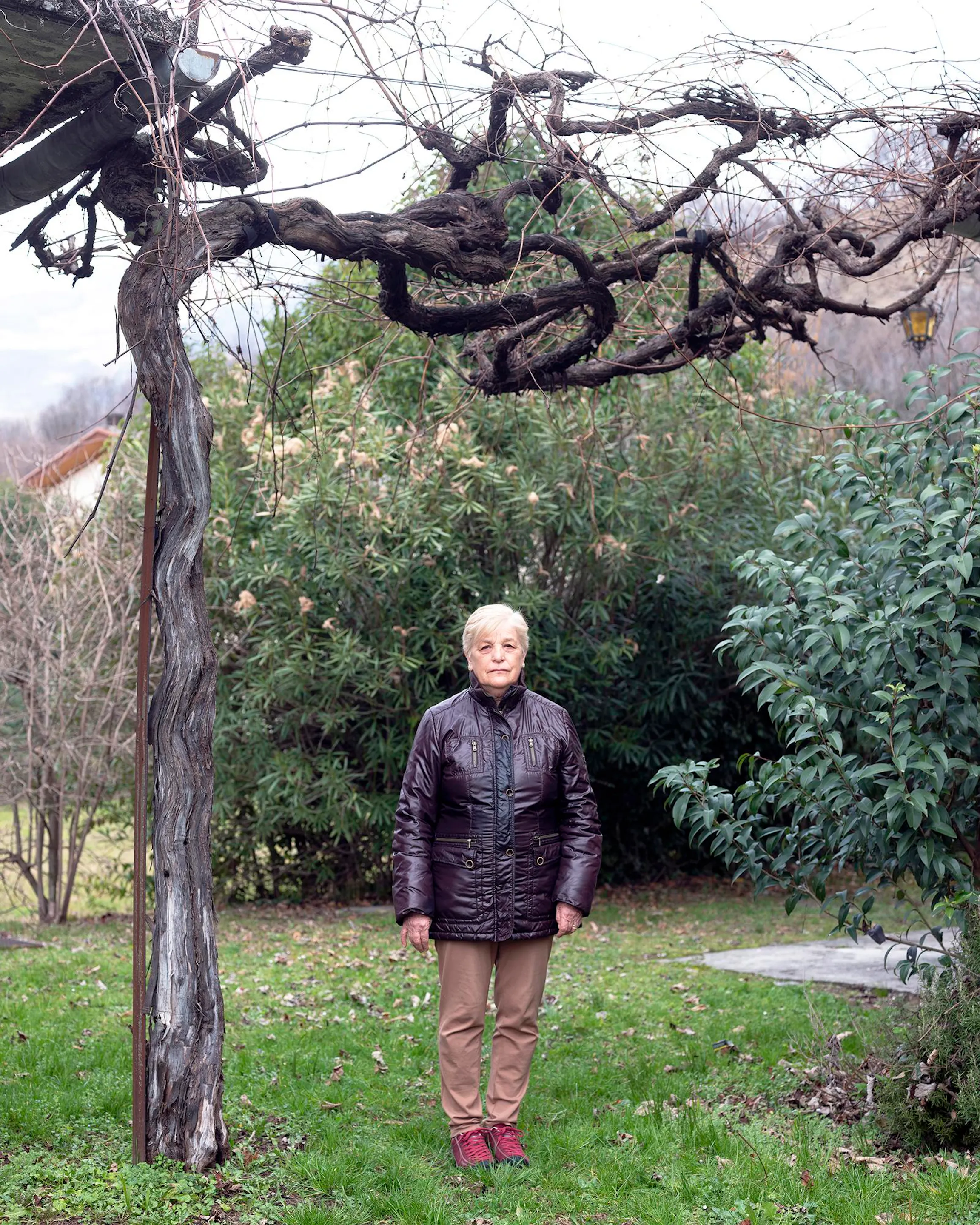
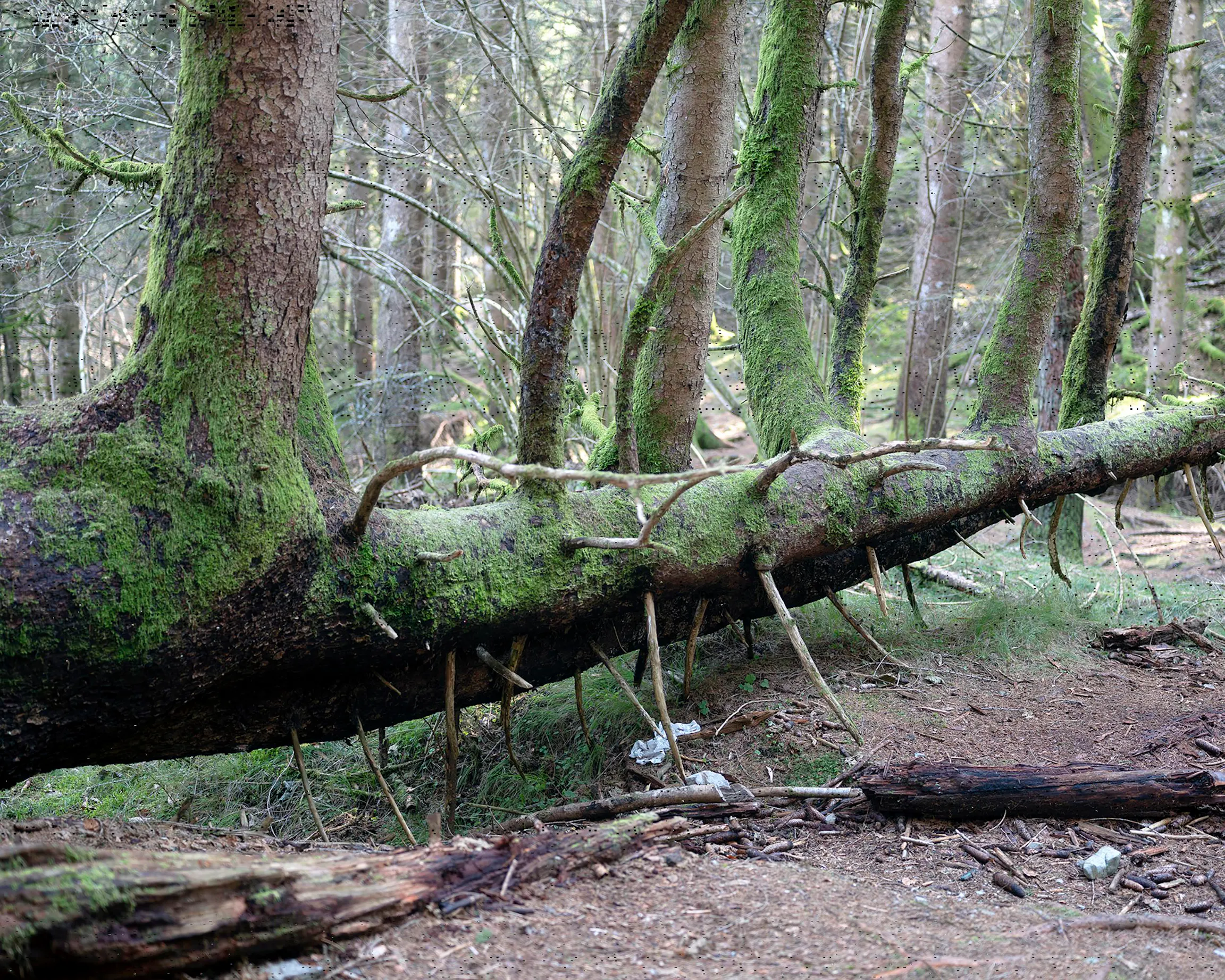
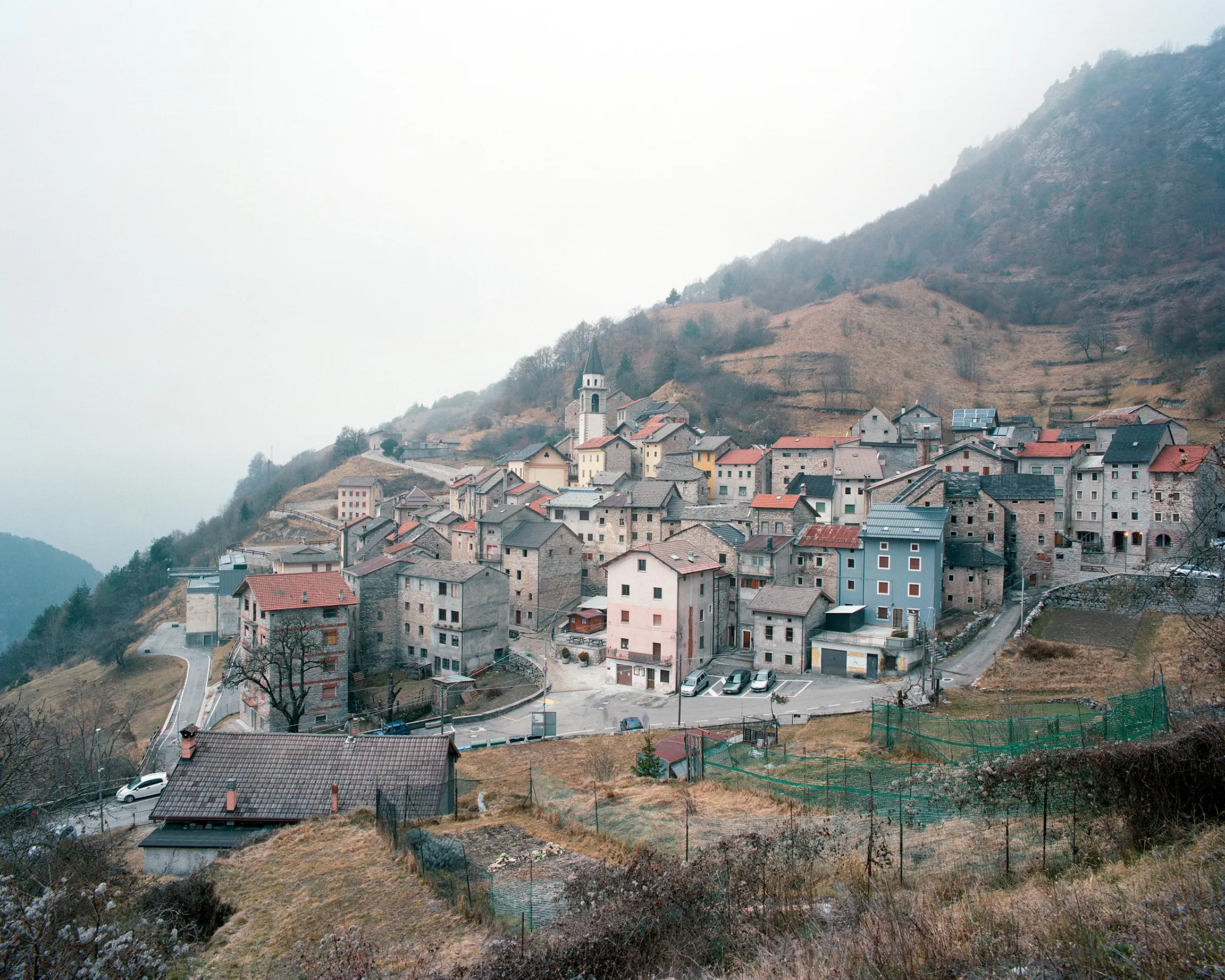
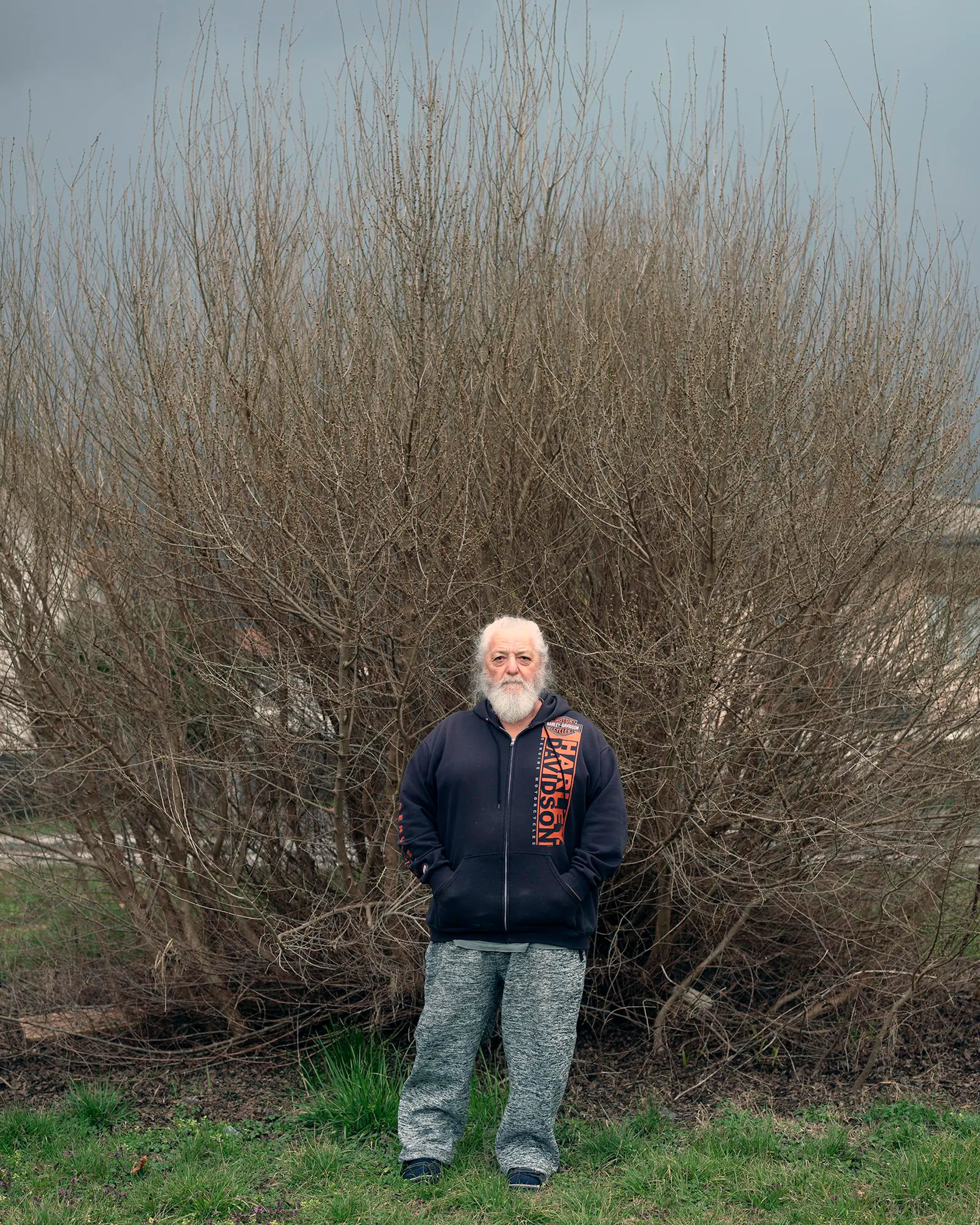
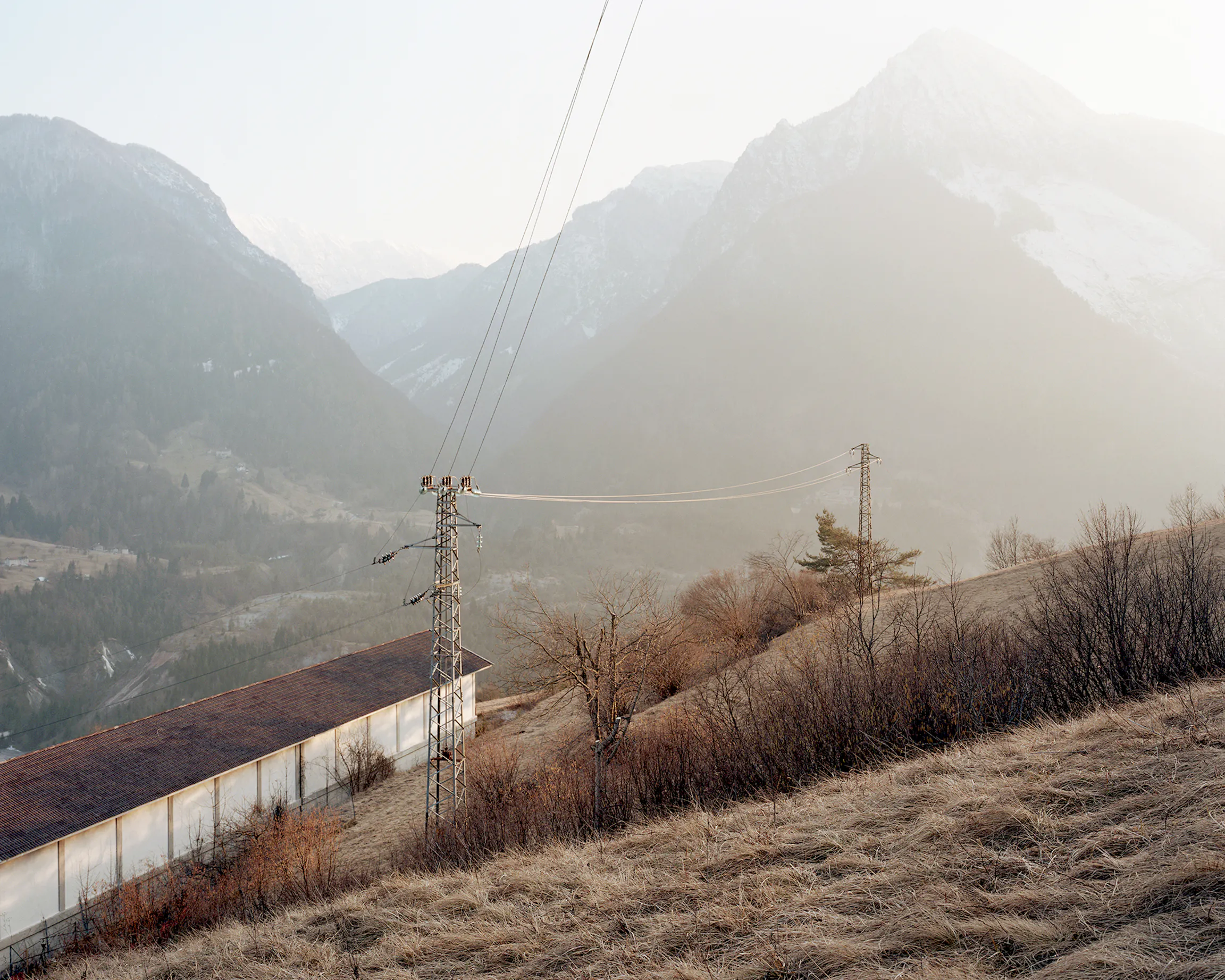
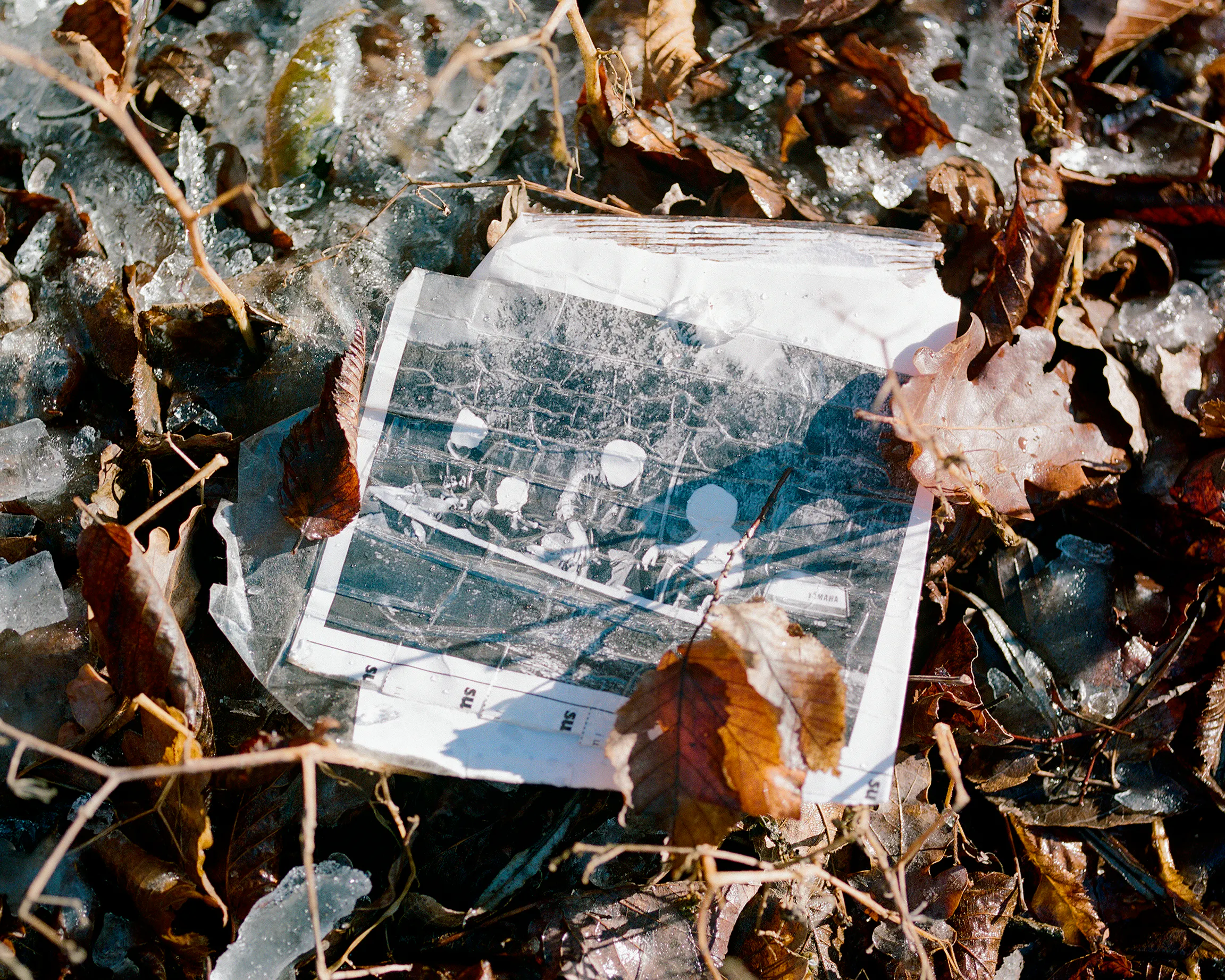
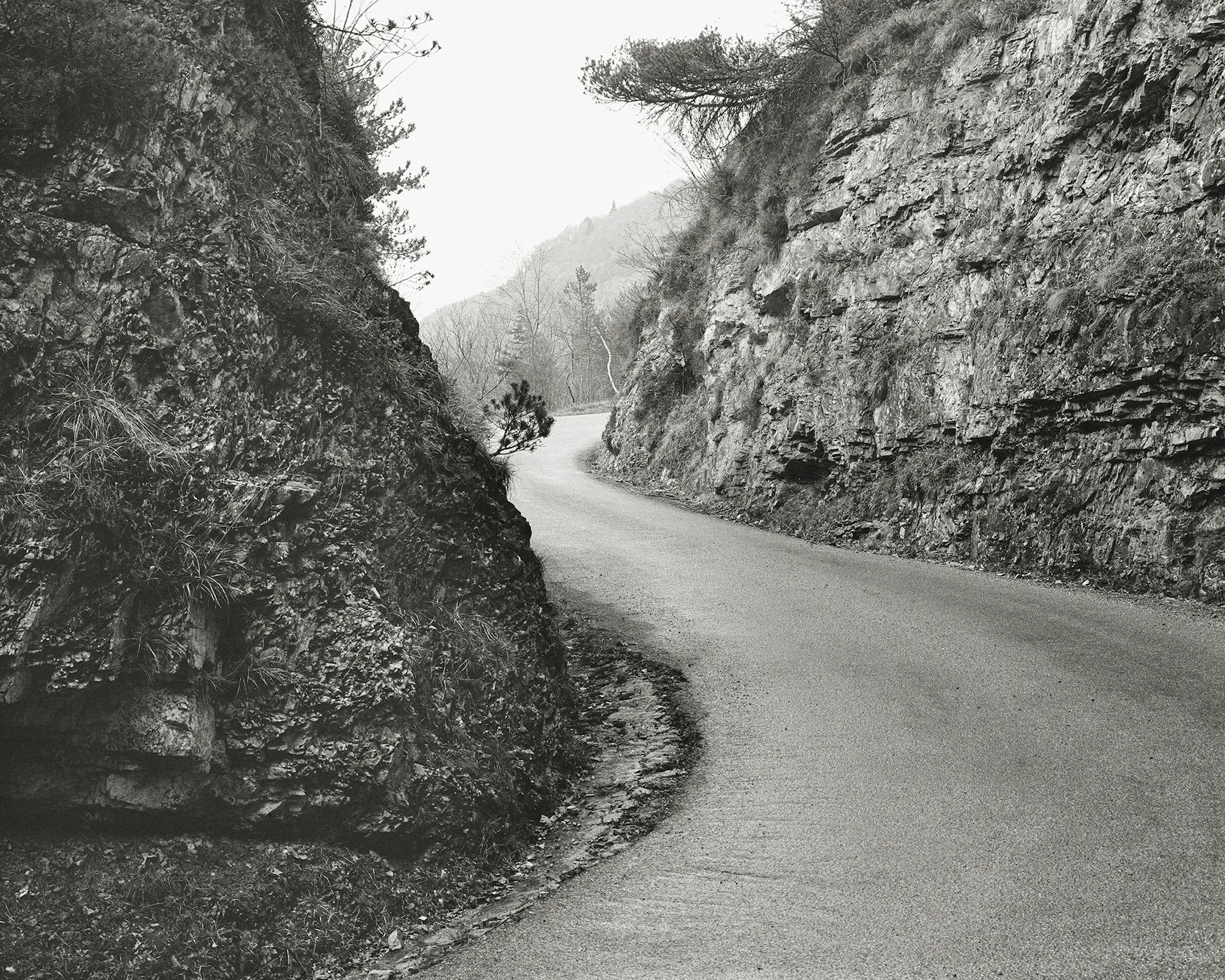
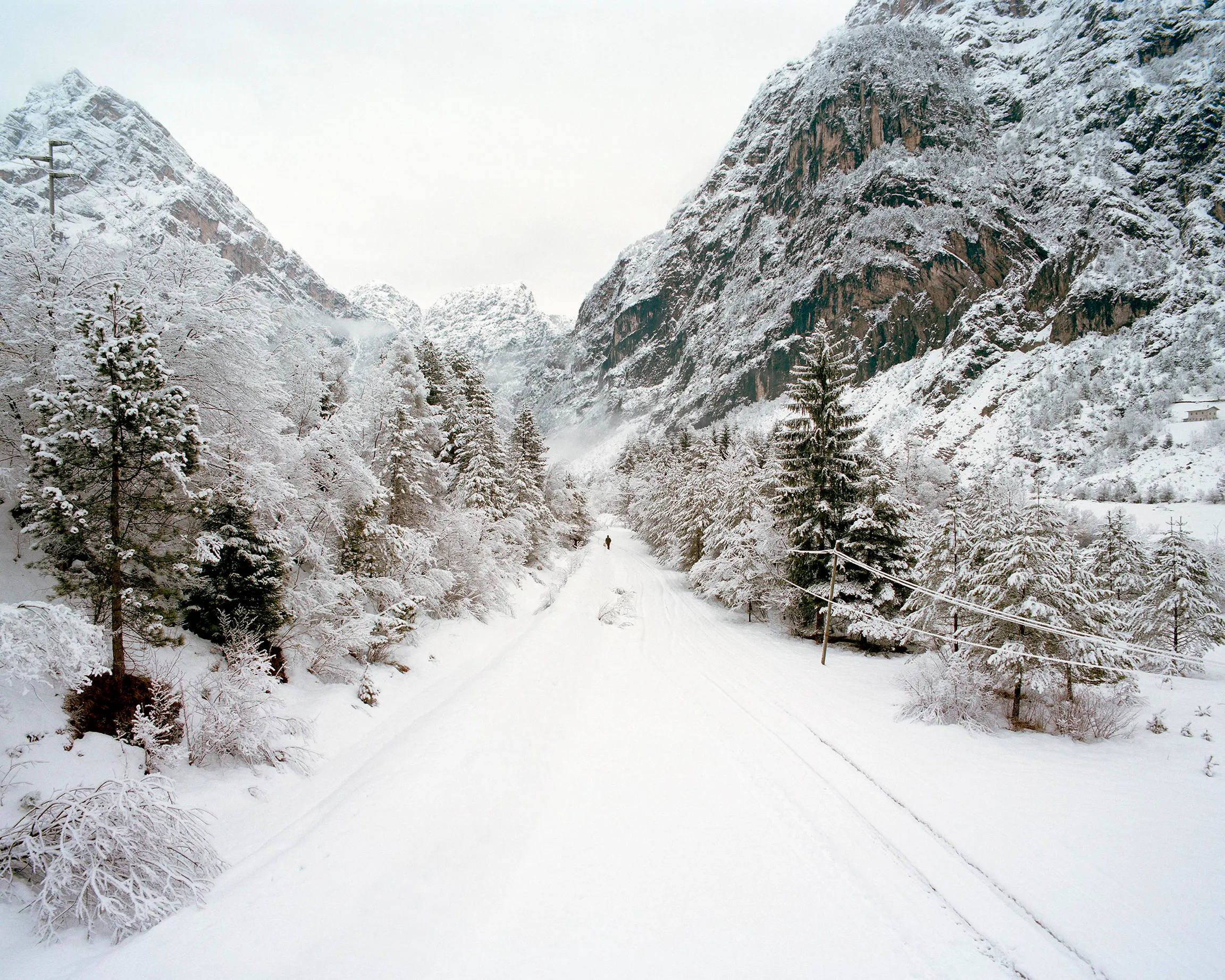
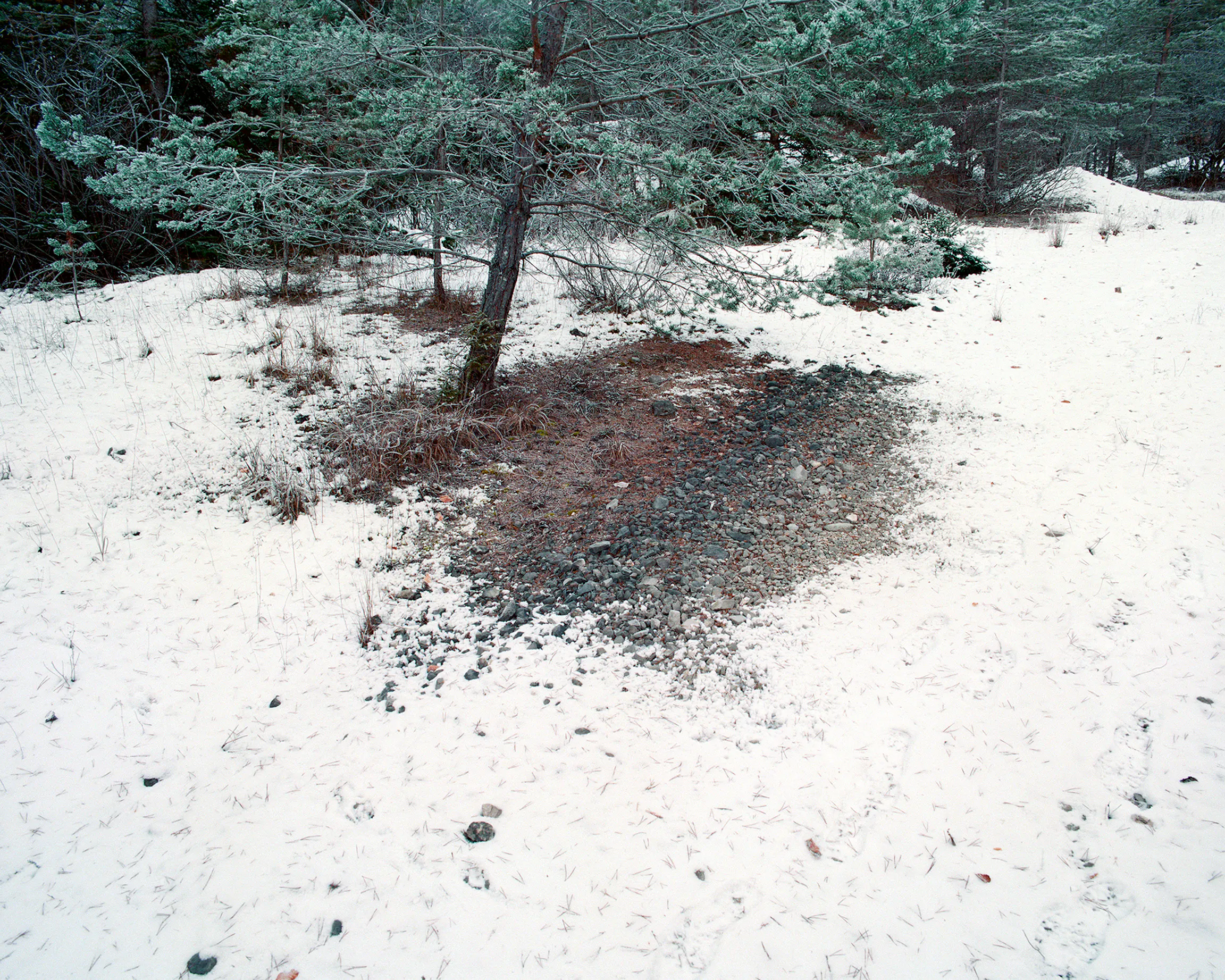
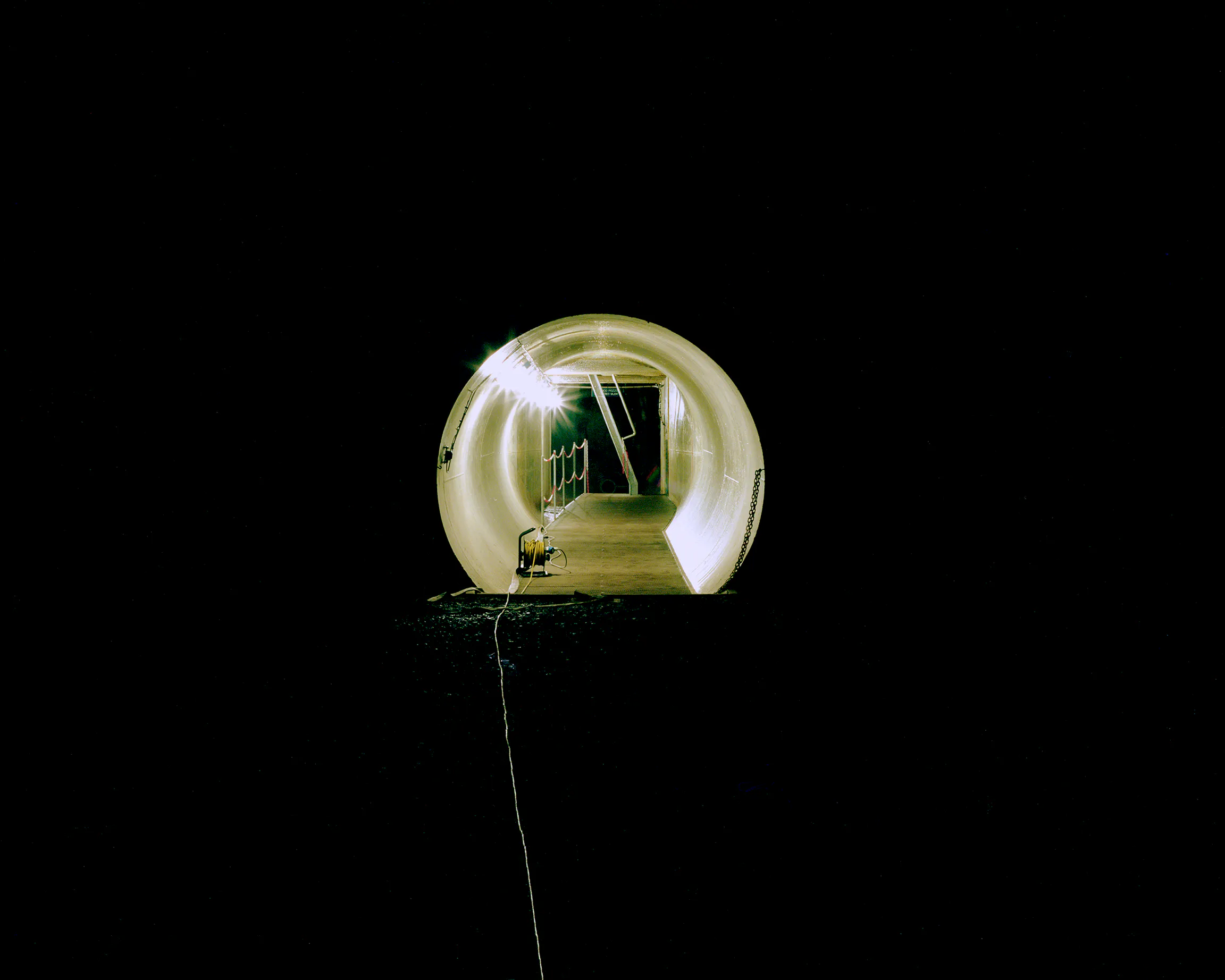
On 9 October 1963 almost two thousand people lost their lives overwhelmed by a gigantic wave of water and mud caused by a huge landslide that fell into the Vajont hydroelectric basin. After just over 60 years, the history of Vajont remains among the most serious environmental disasters caused by human action.
CALAMITA/À (2013-ongoing) is an artistic project based on research and with an interdisciplinary approach. The project was born in 2013 and is curated by Gianpaolo Arena and Marina Caneve. It originates from a fascination for the Vajont catastrophe. In a modernity where we move seamlessly from one catastrophe to the next, the project explores the geographical and cultural territories of the Vajont to investigate a fundamental question: how to see the approaching catastrophe?
CALAMITA/À, since 2013, involved more than fifty authors and researchers asking them to reflect on the topics of the representation of the catastrophe. This happened with site specific projects and by promoting critical thinking on issues such as: the transformation of the landscape, the exploitation of energy resources, the relationship between man, nature and power, the social marginalization of minorities and individual and collective identity.
The project is supported by Strategia Fotografia 2023, promoted by the Directorate-General for Contemporary Creativity of the Italian Ministry of Culture
Il 9 ottobre 1963 quasi duemila persone persero la vita travolte da una gigantesca onda di acqua e fango provocata da un’enorme frana precipitata nel bacino idroelettrico del Vajont. Dopo poco più di 60 anni la storia del Vajont rimane tra i più gravi disastri ambientali causati dall’azione antropica.
CALAMITA/À (2013-ongoing) è un progetto artistico di ricerca multidisciplinare nato nel 2013, a cura di Gianpaolo Arena e Marina Caneve, che prende origine dal nefasto evento del Vajont. In una modernità dove si passa senza soluzione di continuità da una catastrofe alla successiva, il progetto si occupa di esplorare i territori geografici e culturali del Vajont per investigare una domanda fondamentale: come vedere la catastrofe che si avvicina?
CALAMITA/À, dal 2013 ad oggi, ha coinvolto più di cinquanta artisti e riercatori per affrontare i temi della rappresentazione della catastrofe attraverso progetti site specific oltre a promuovere riflessioni su temi quali la trasformazione del paesaggio, lo sfruttamento delle risorse energetiche, la relazione tra uomo, natura e potere, l’emarginazione sociale delle minoranze e l’identità individuale e collettiva.
Il progetto è sostenuto da Strategia Fotografia 2023, promosso dalla Direzione Generale Creatività Contemporanea del Ministero della Cultura
A Folktale from Vietnam: Speeding Motorcycles and Roasted Lemongrass
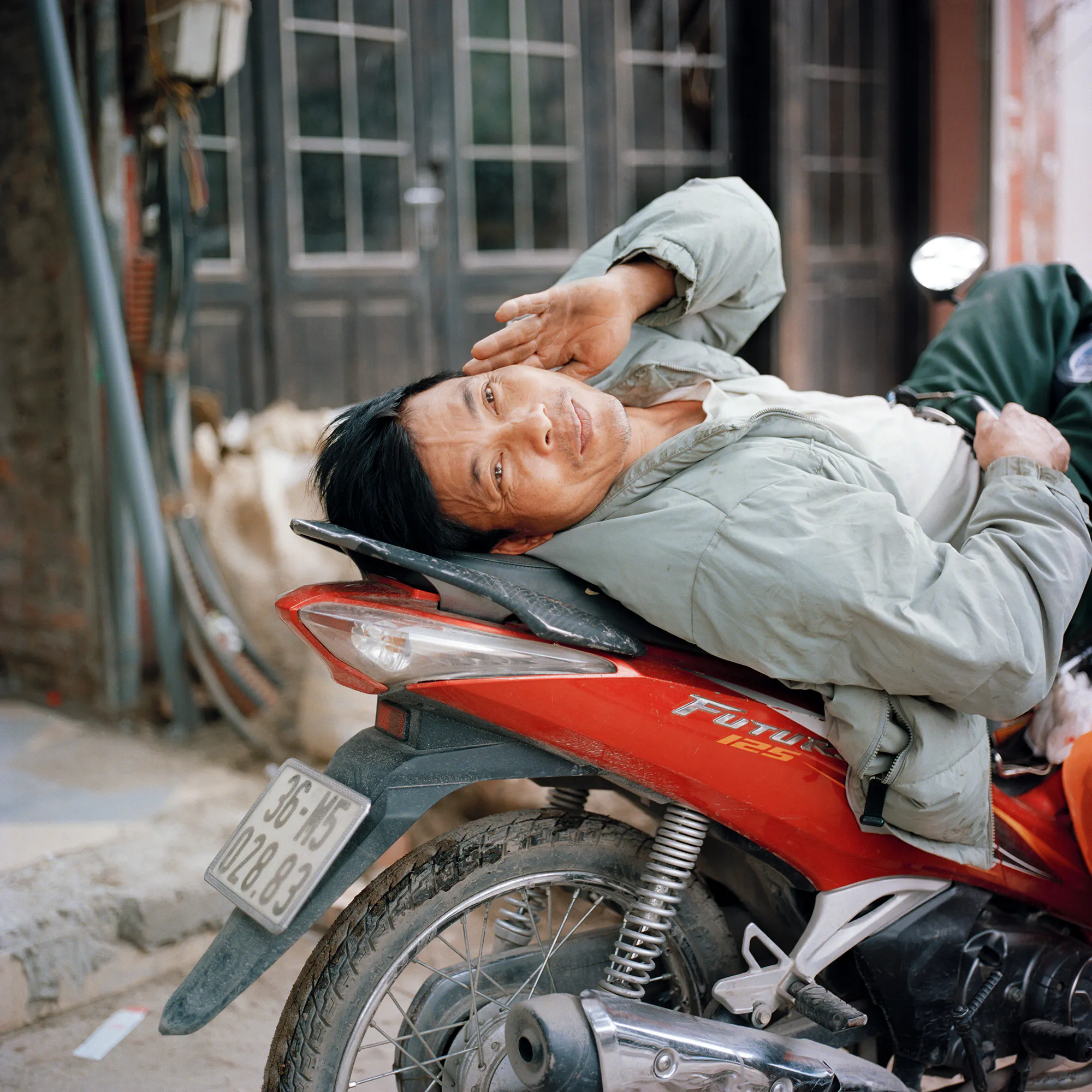
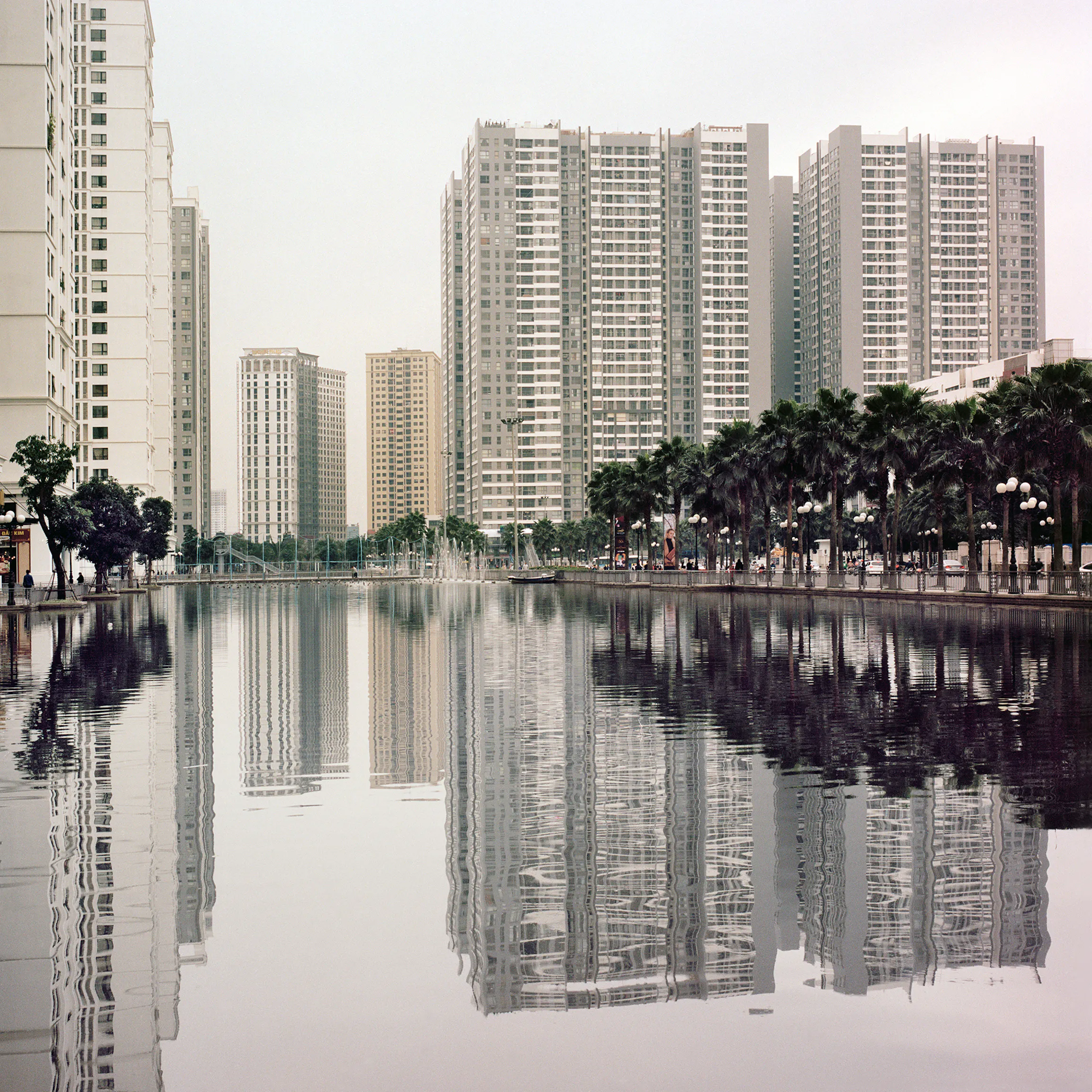

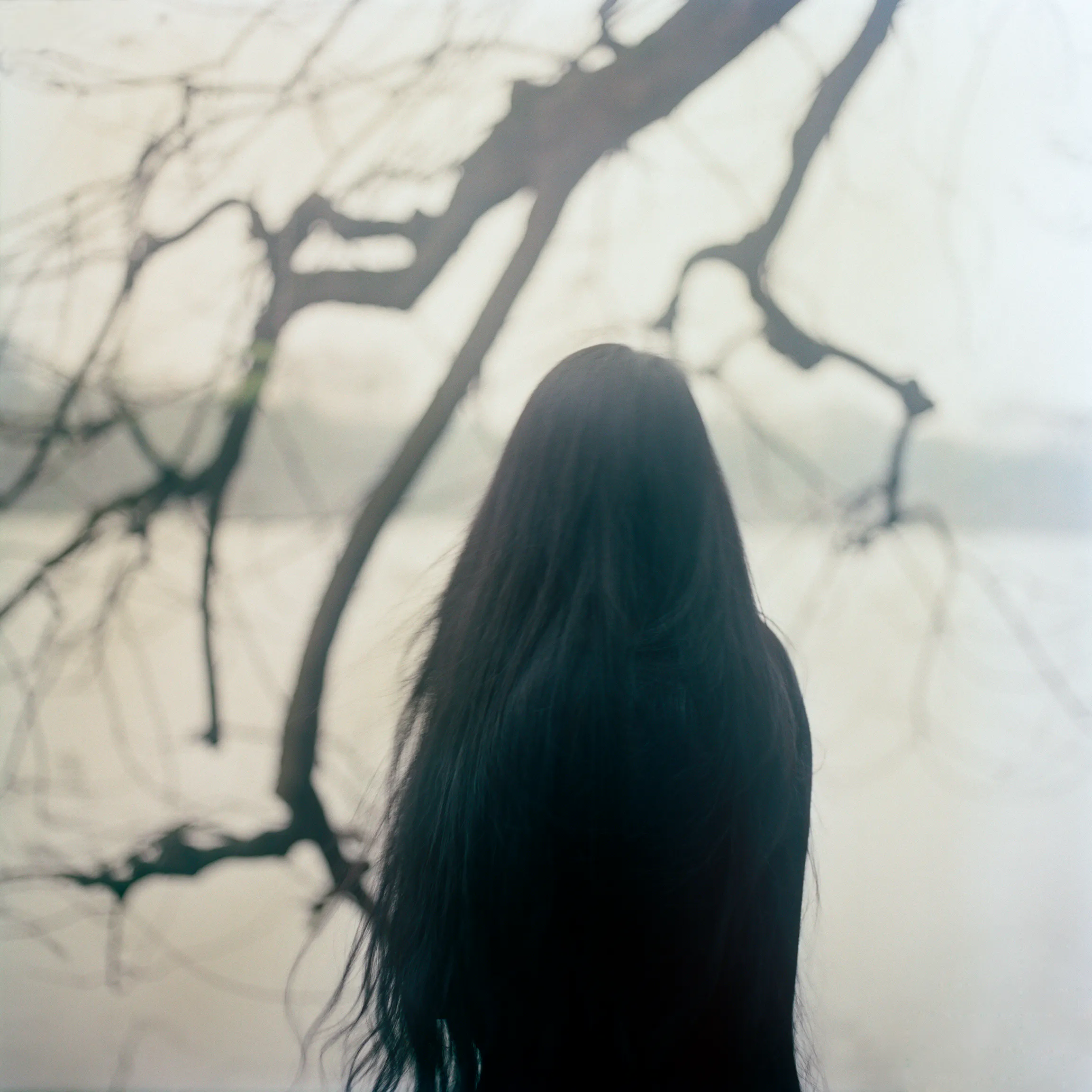
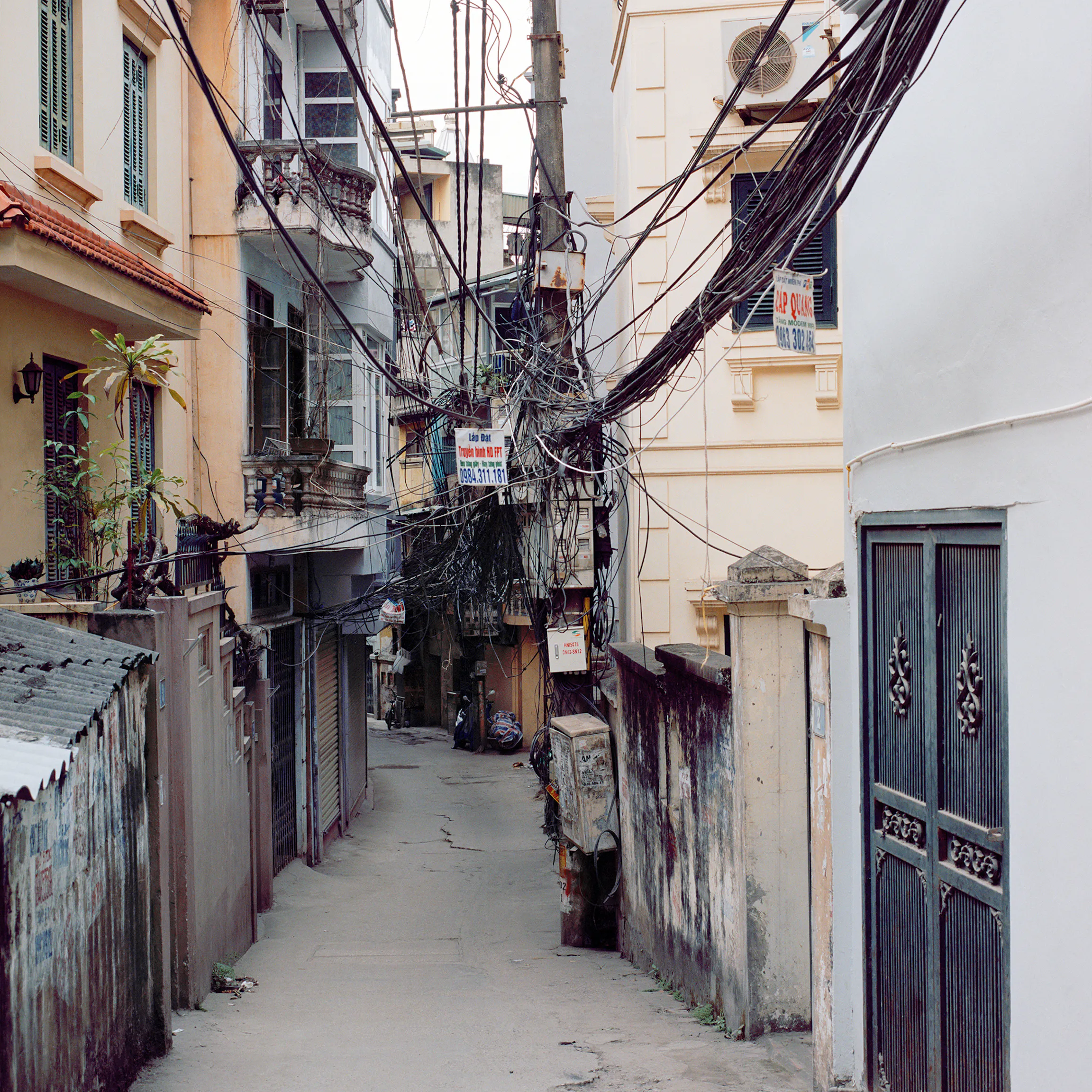
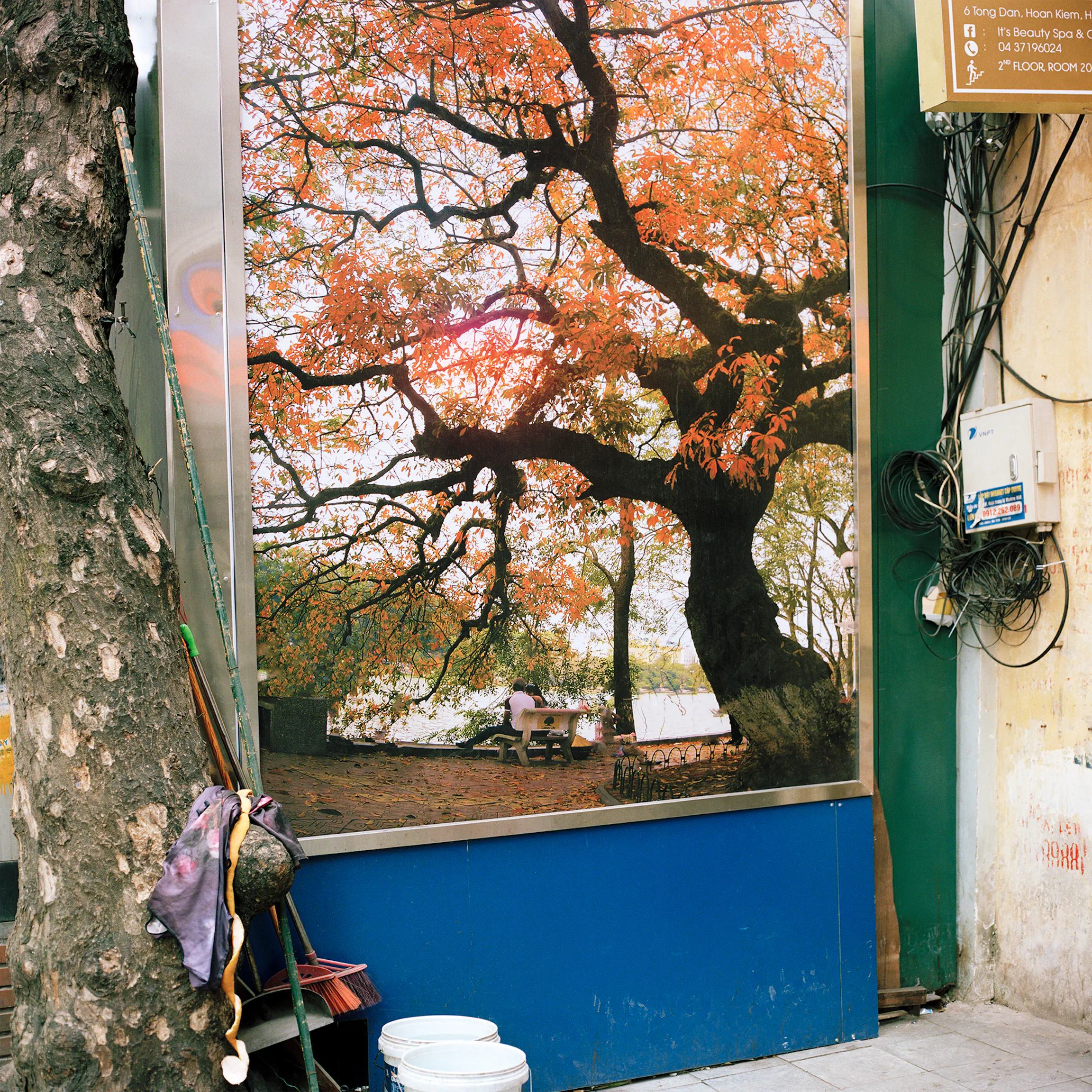
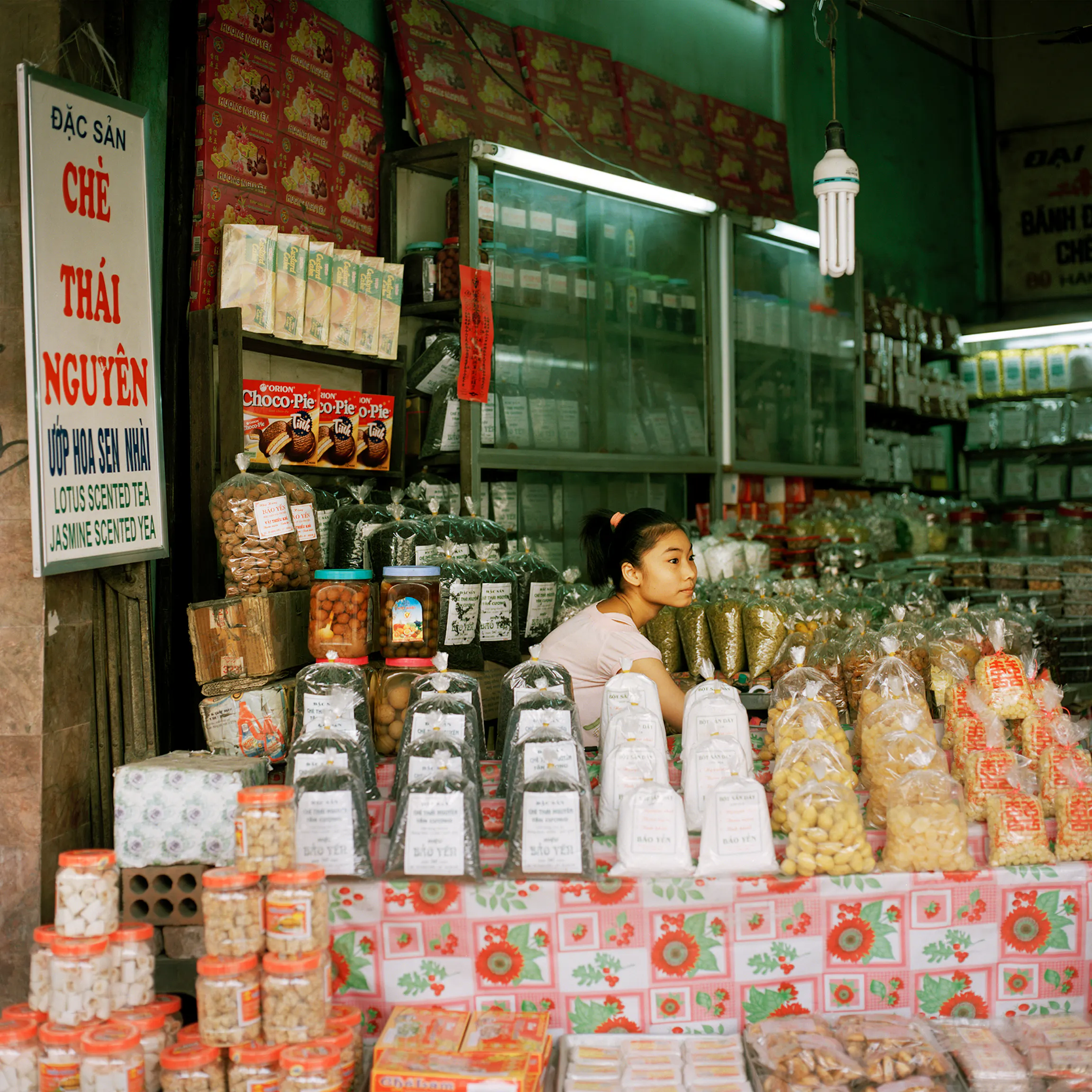
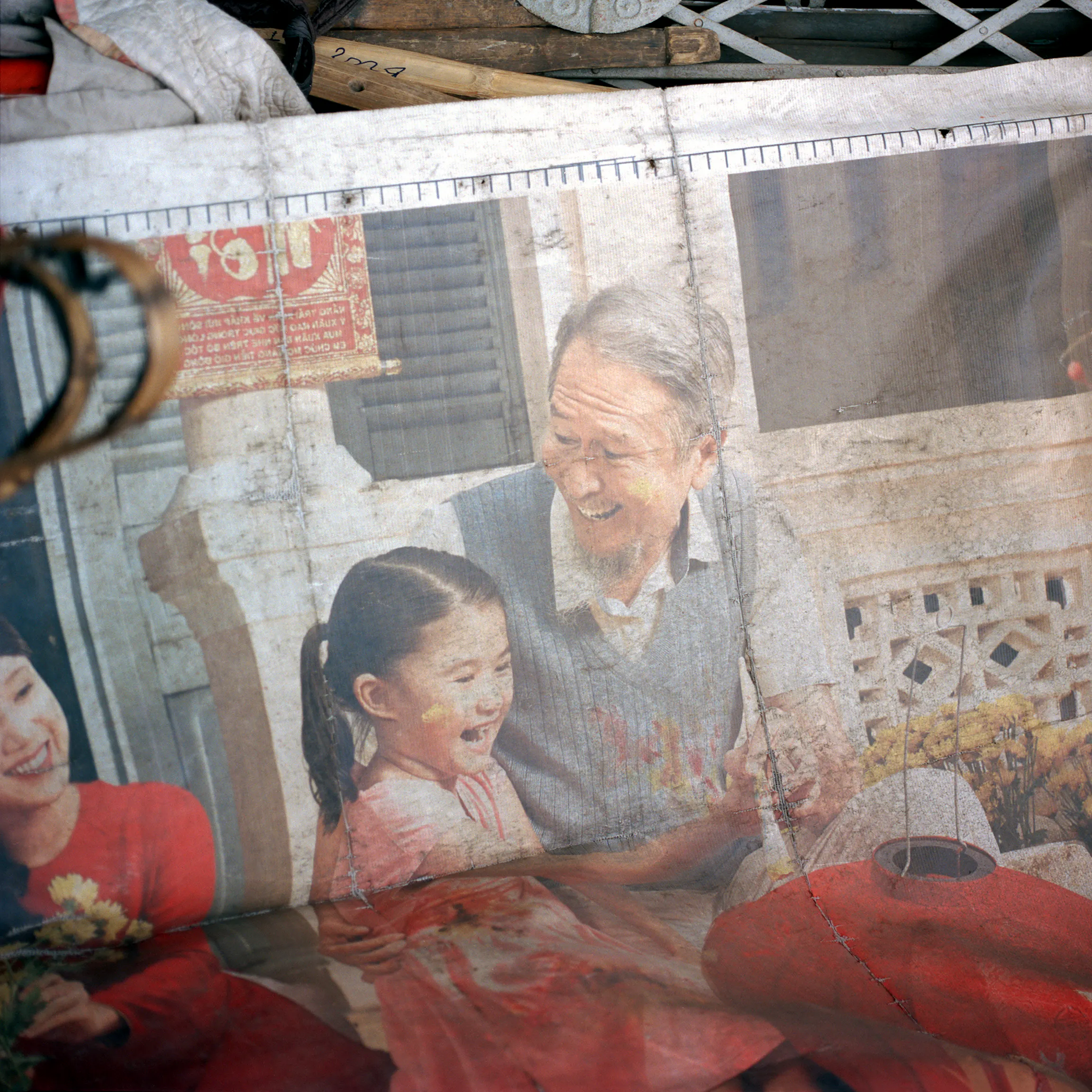
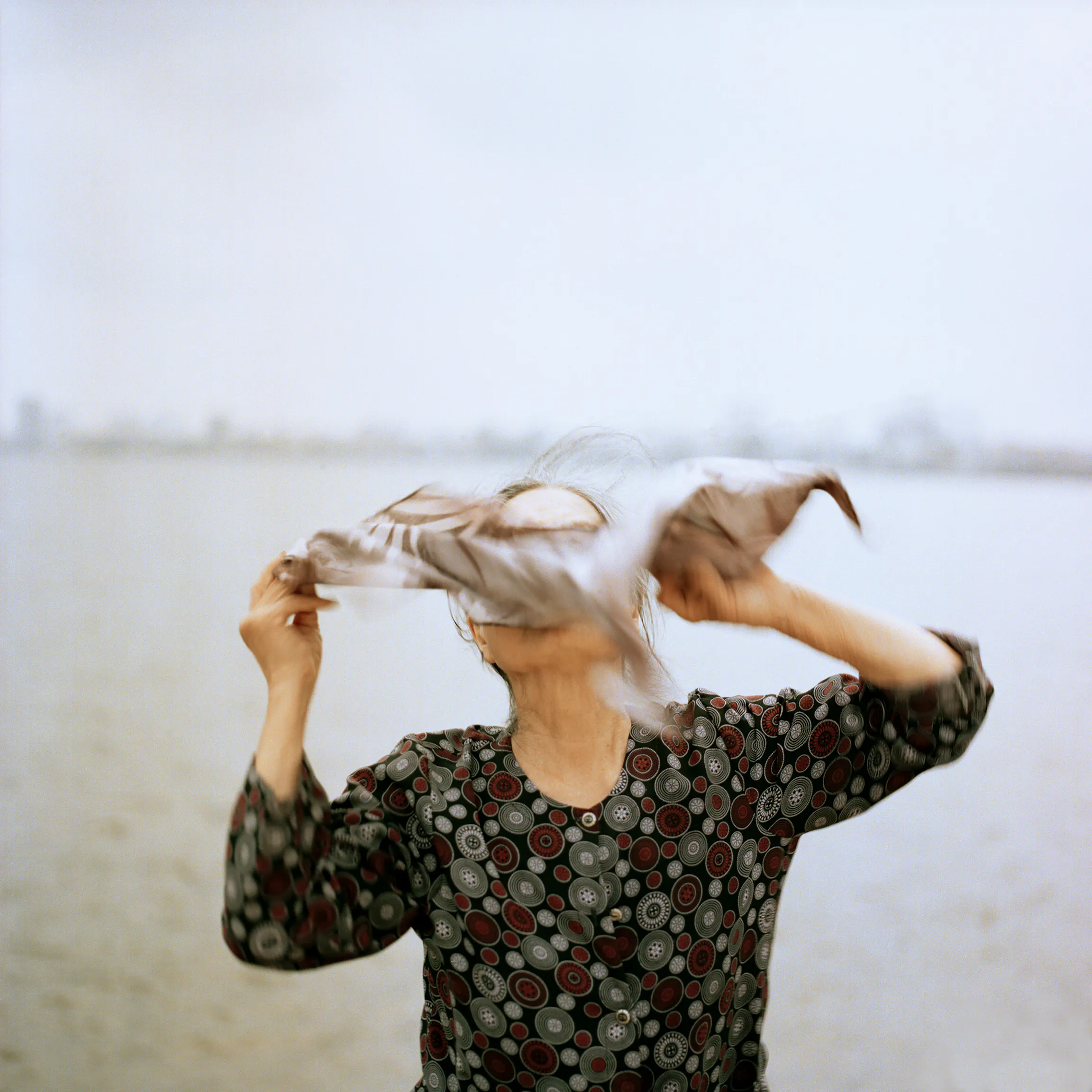
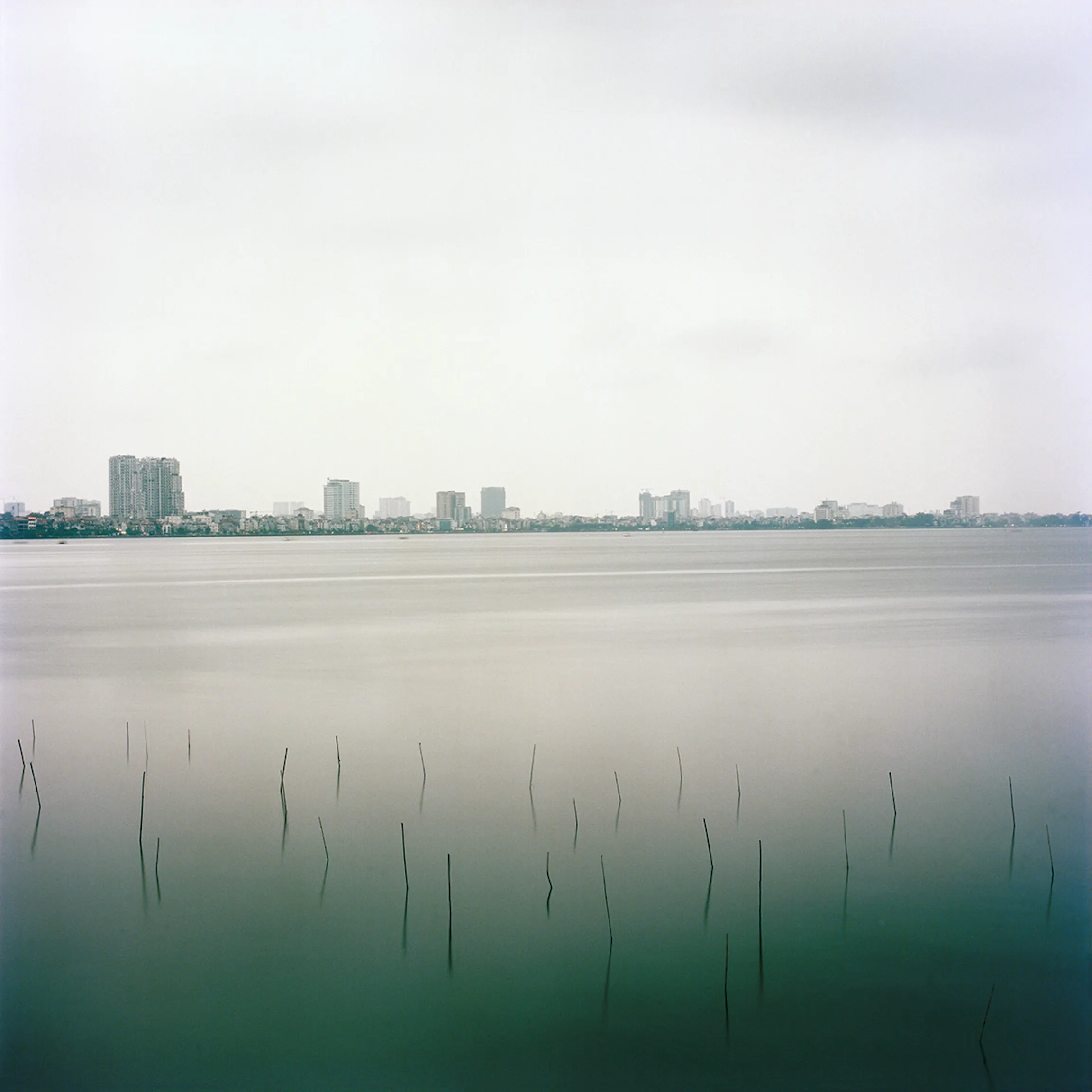
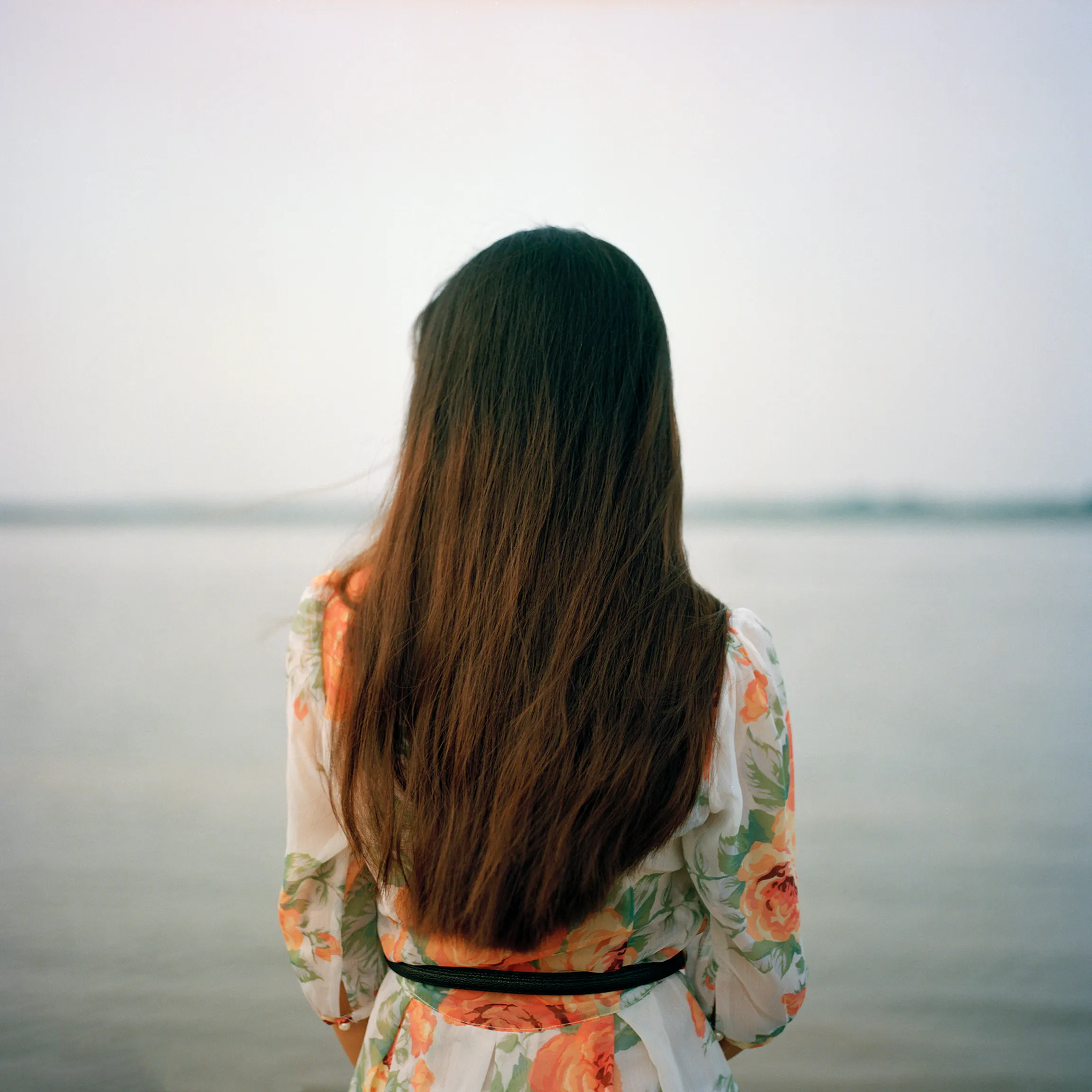
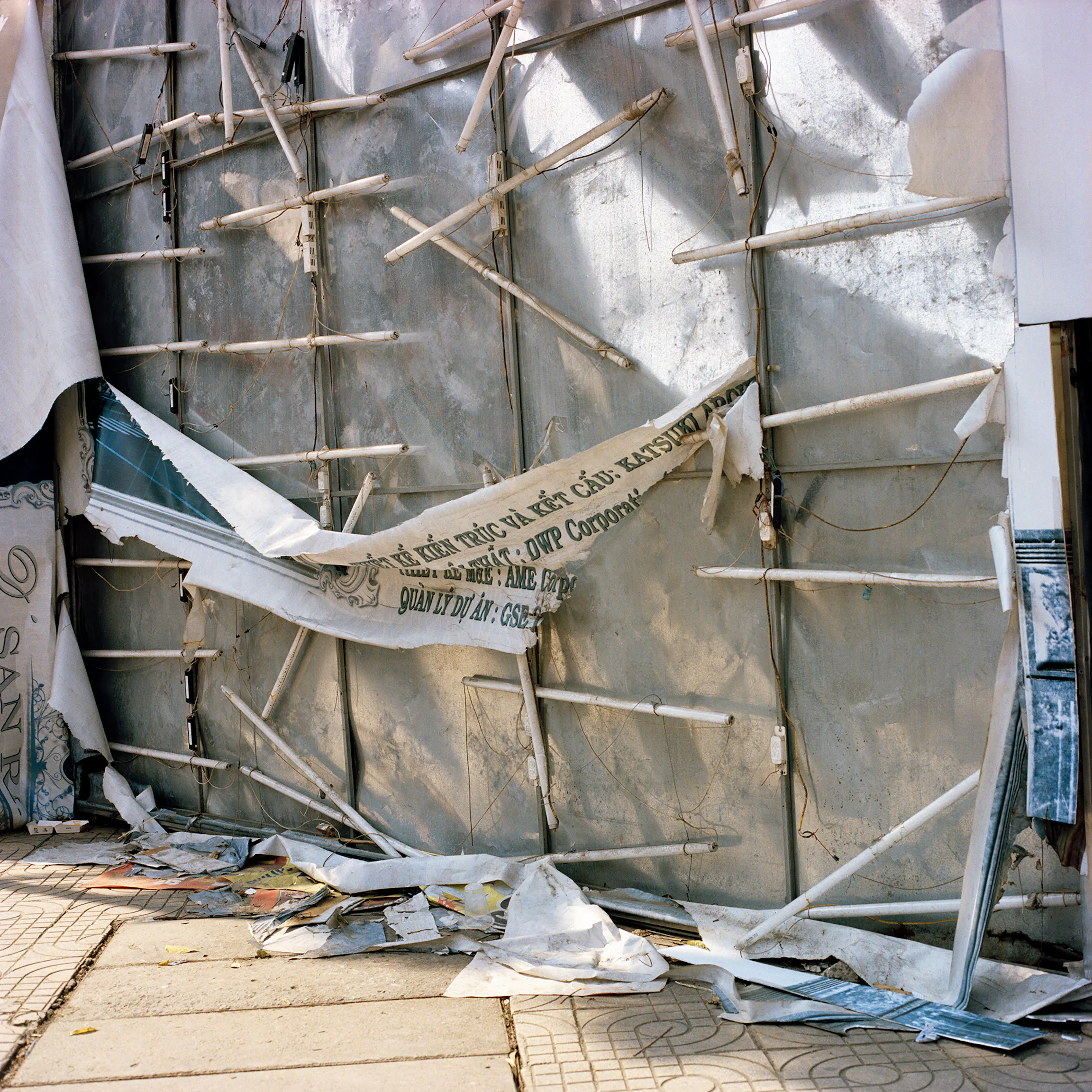
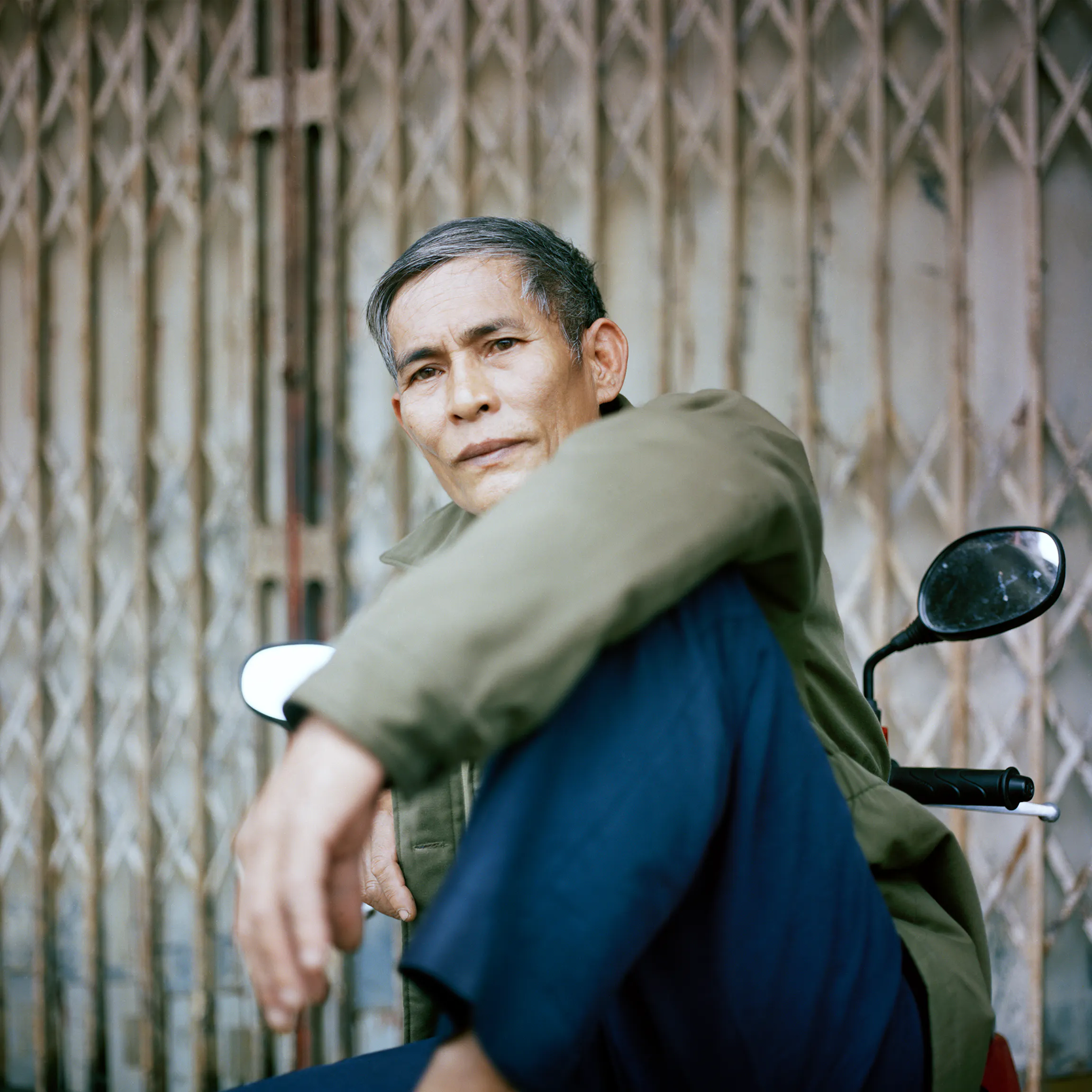

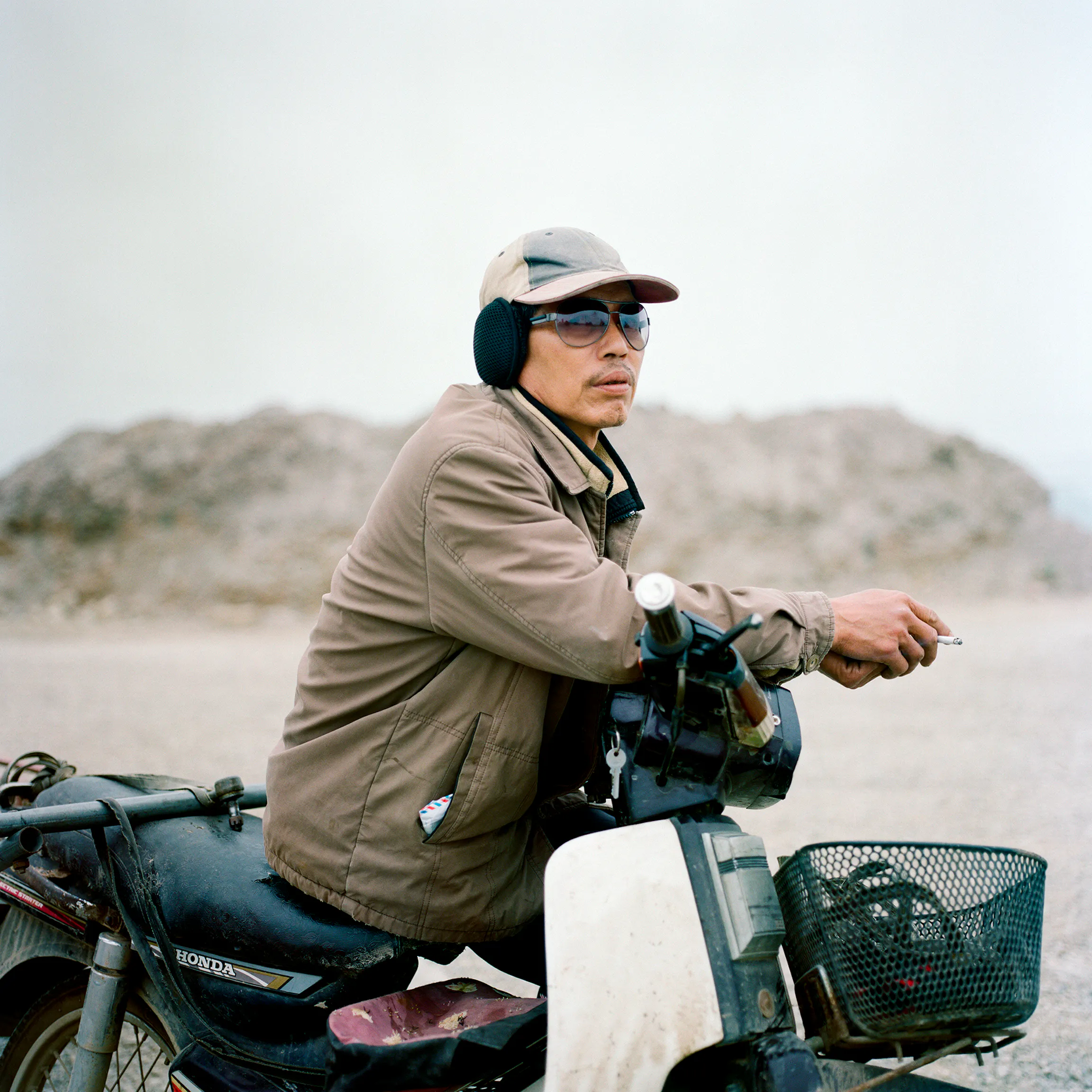
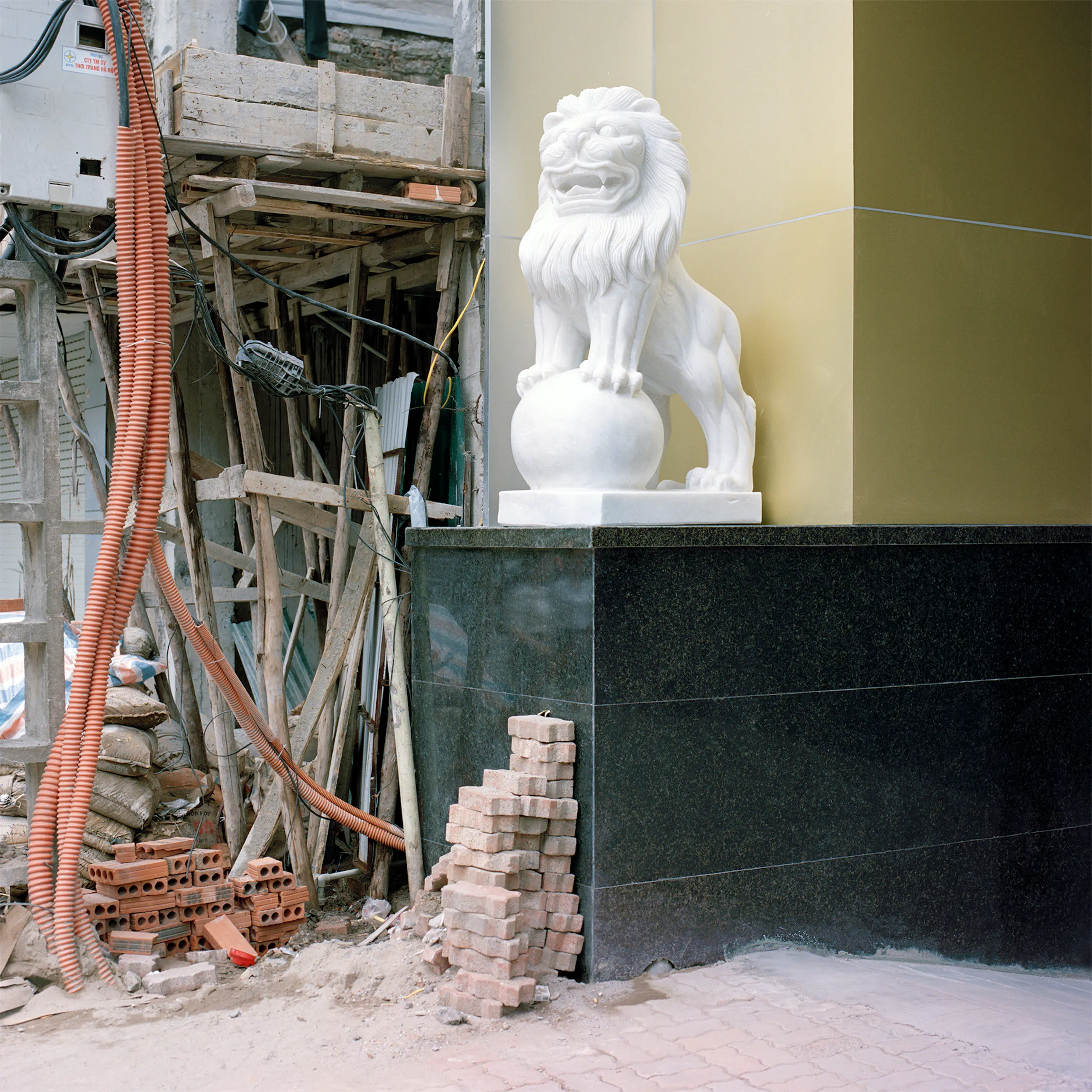
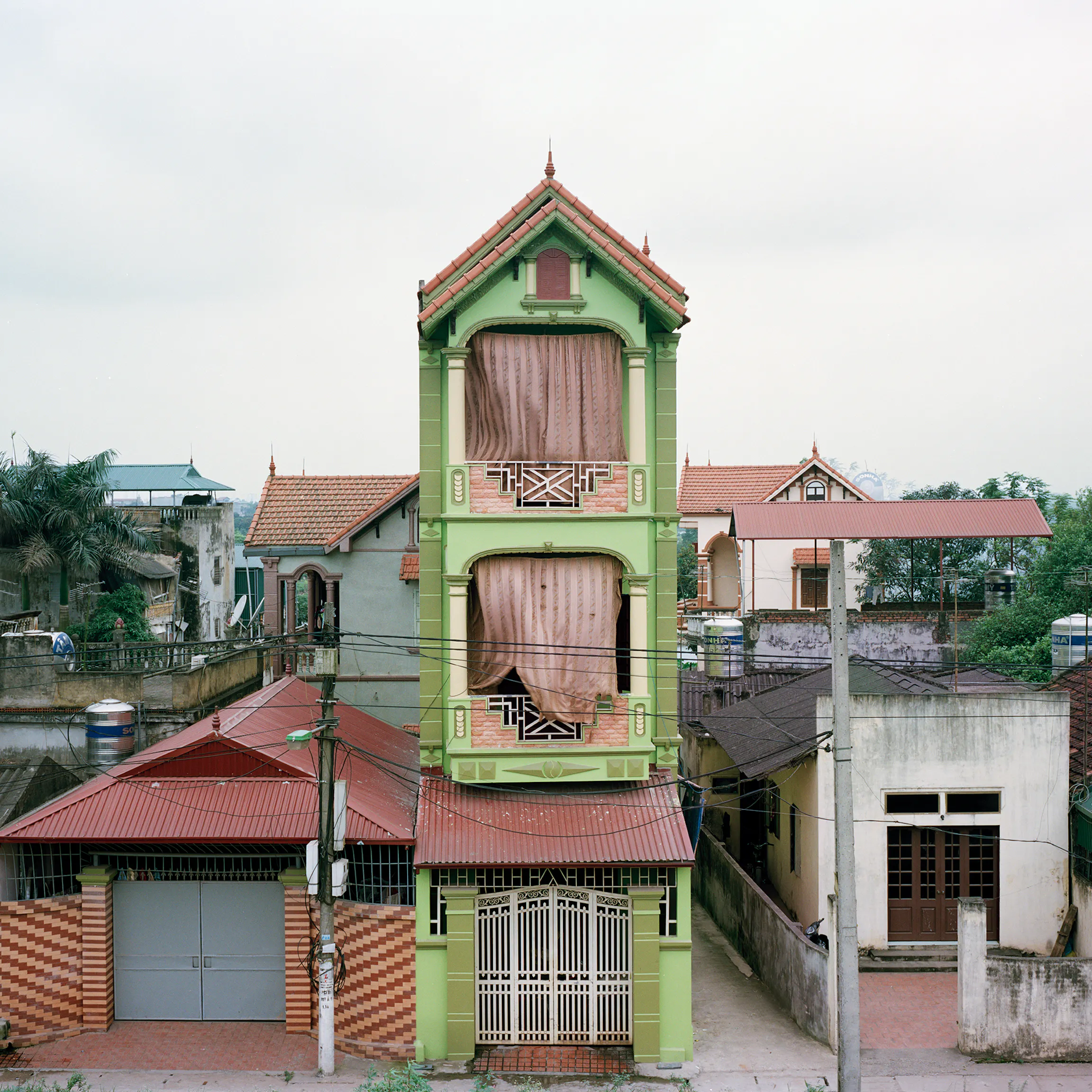
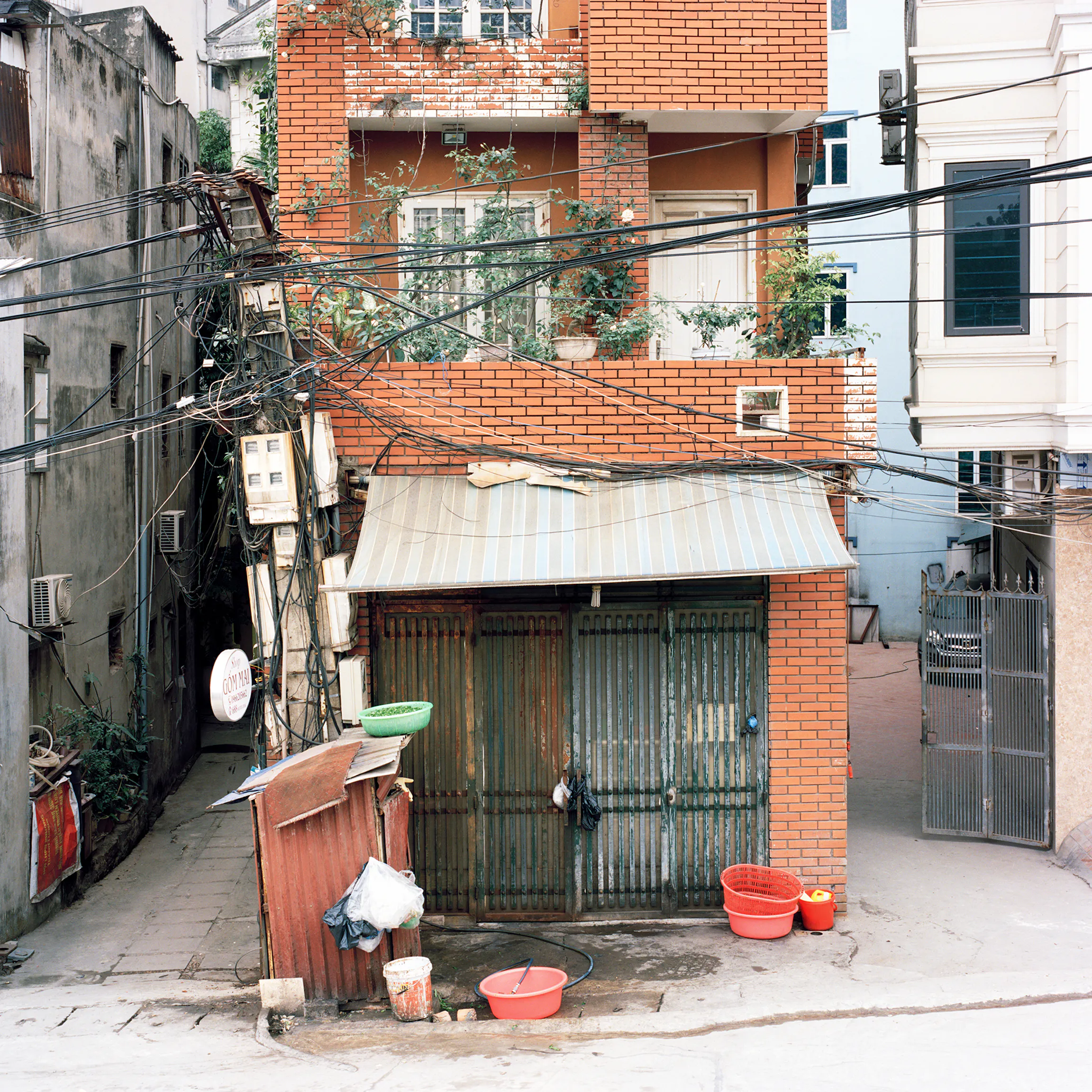
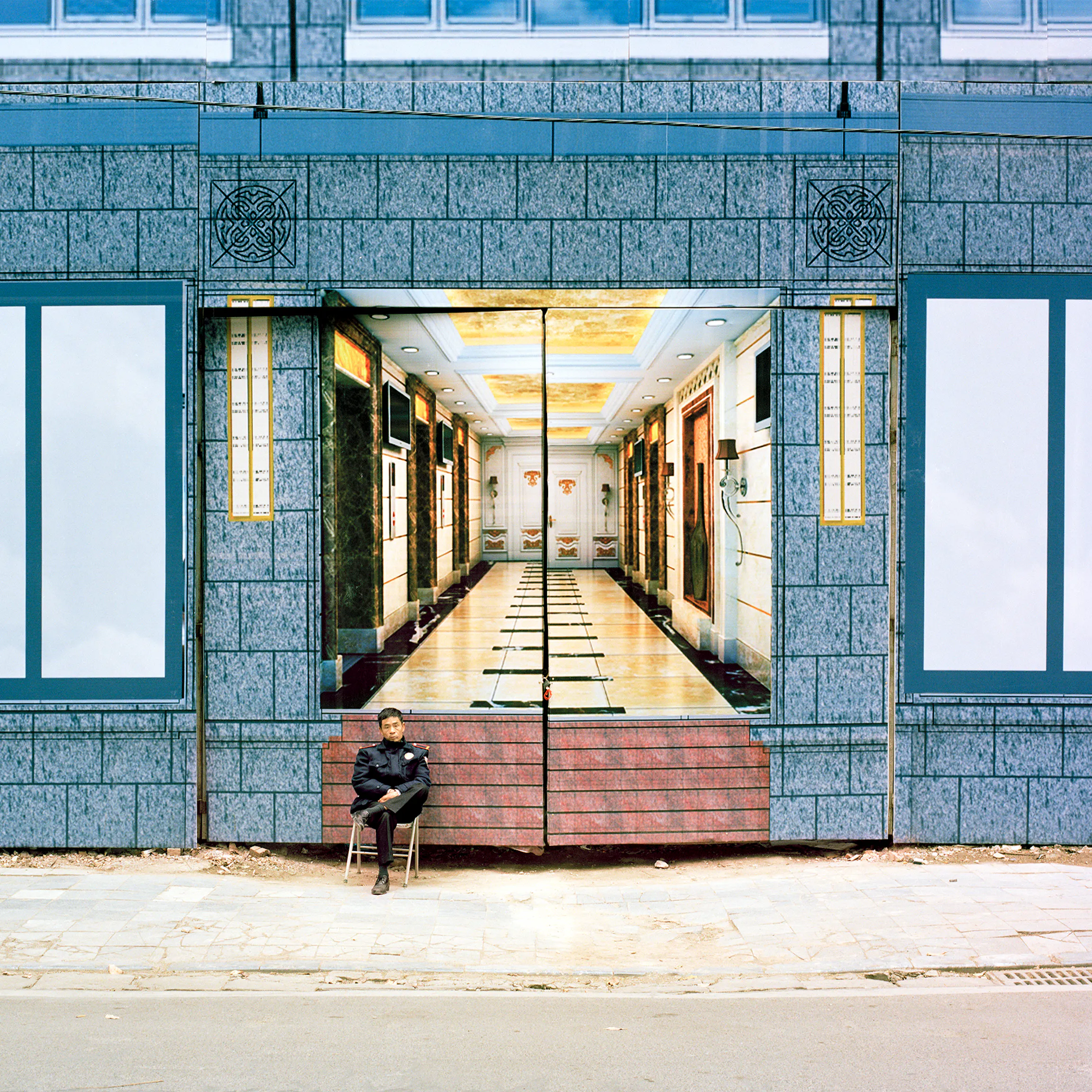
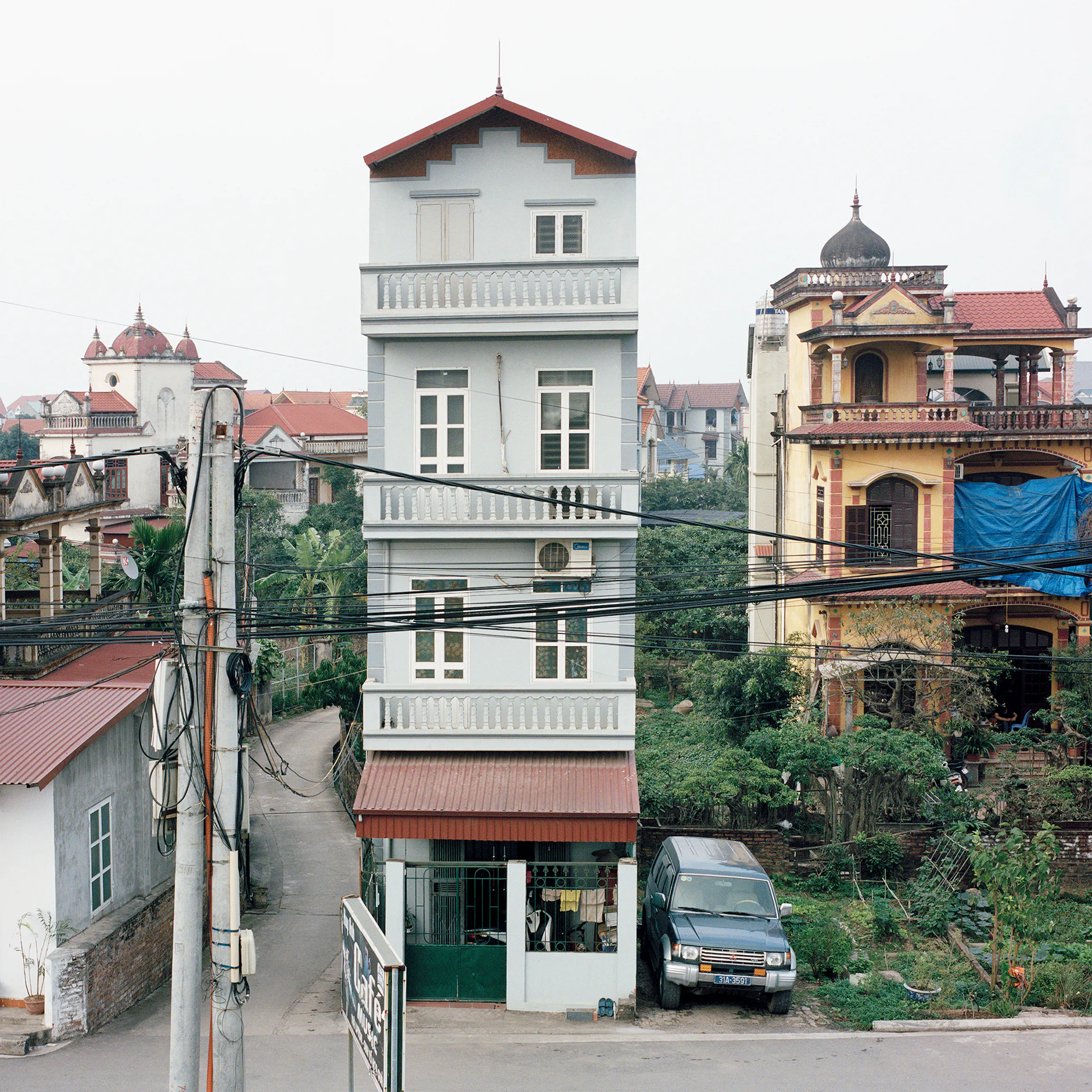
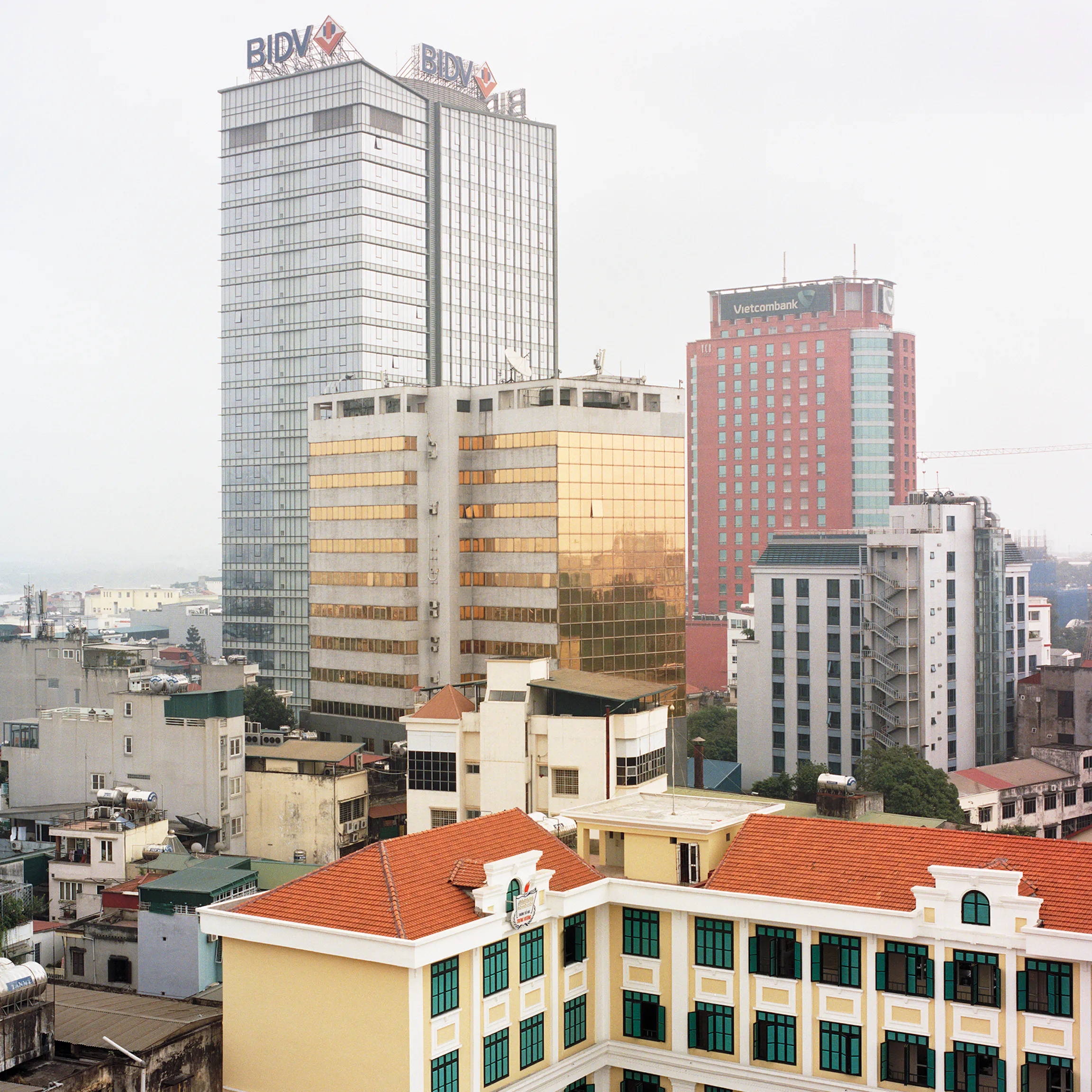
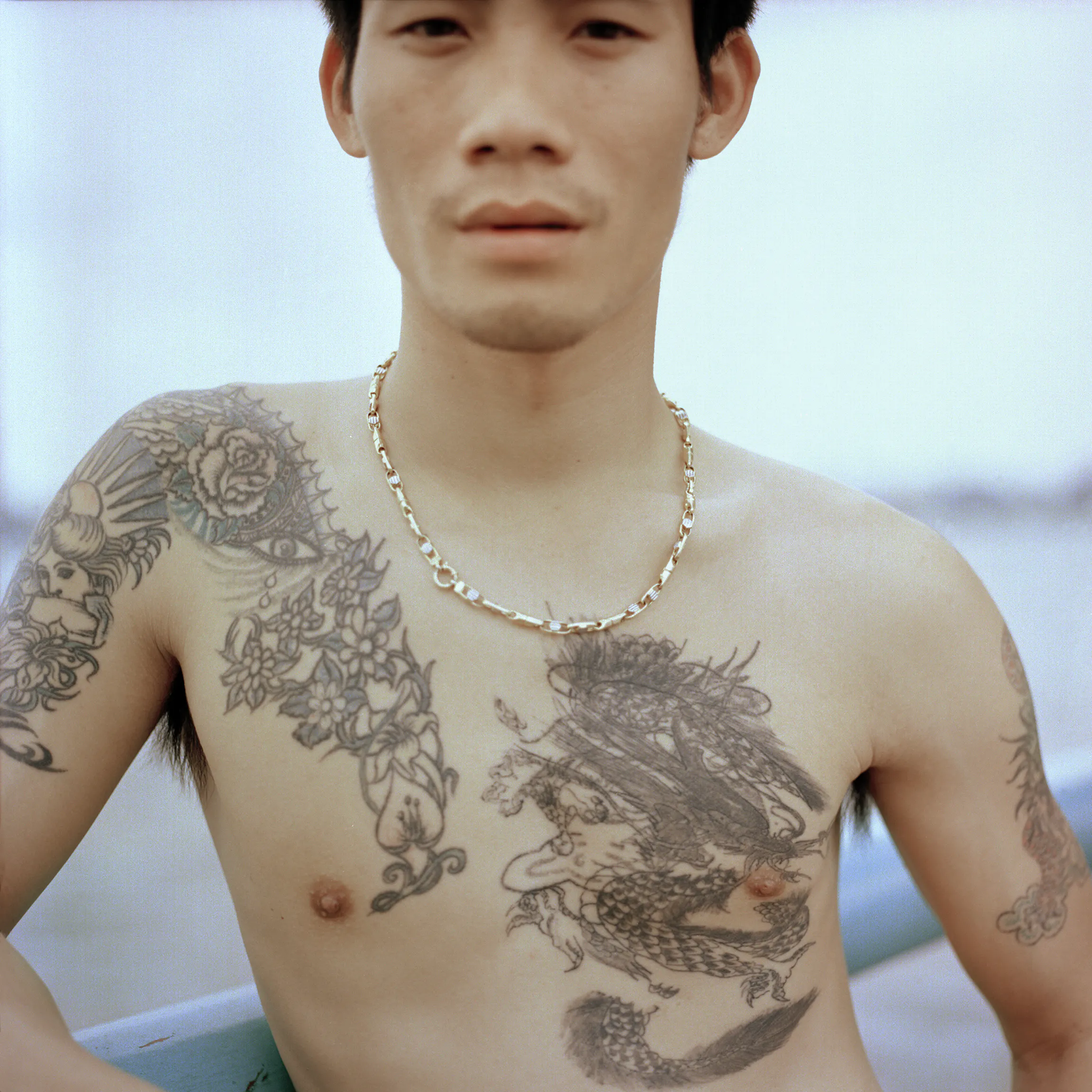
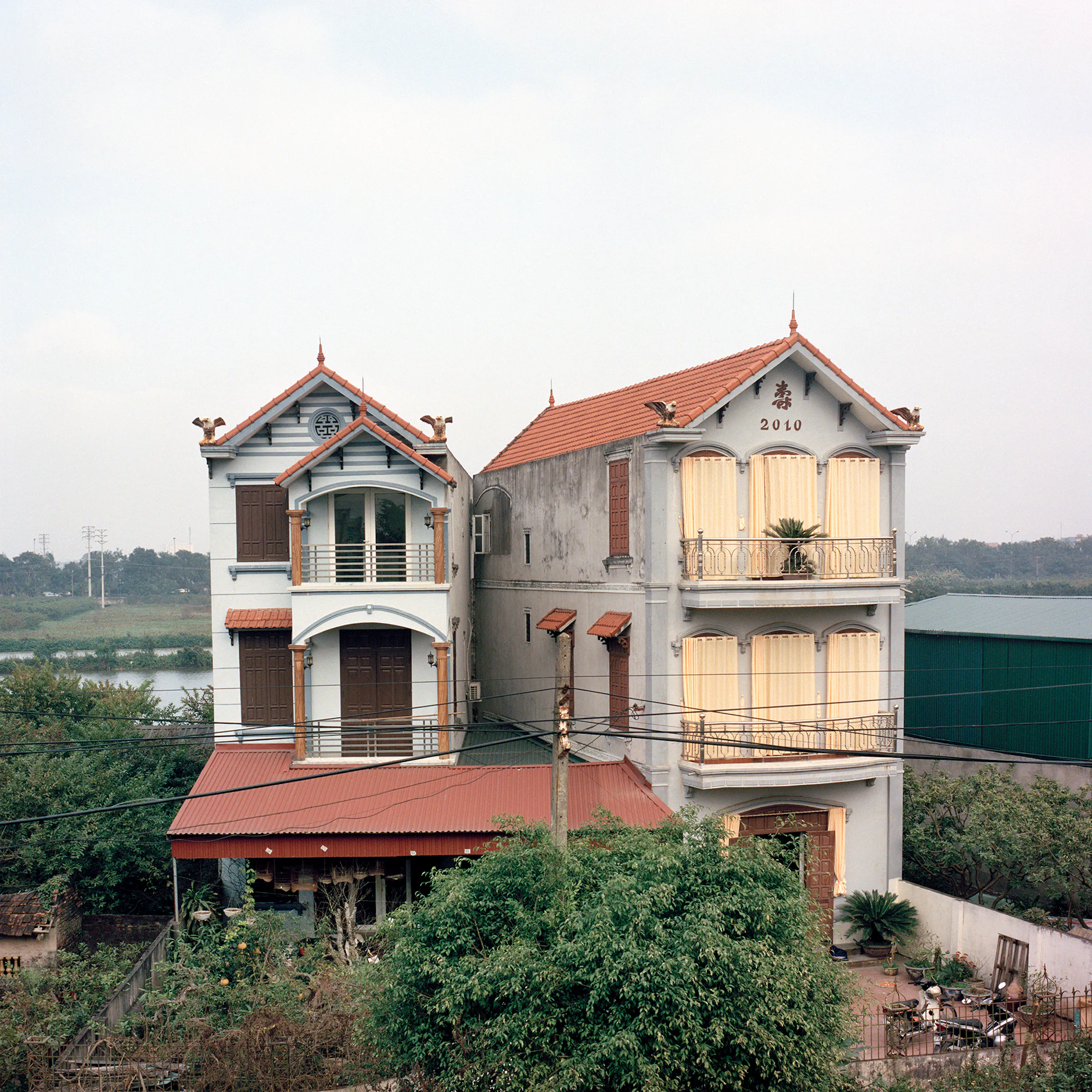

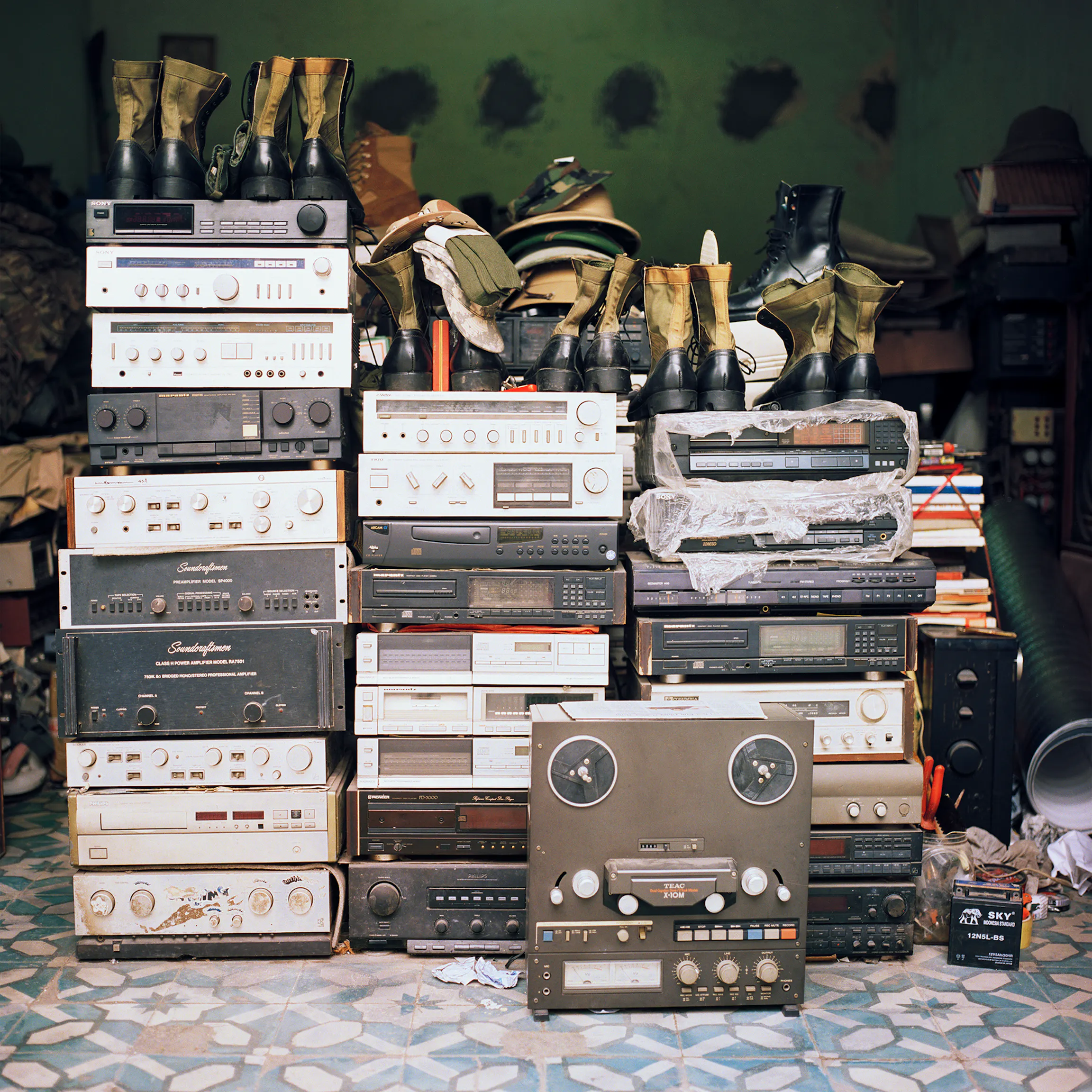
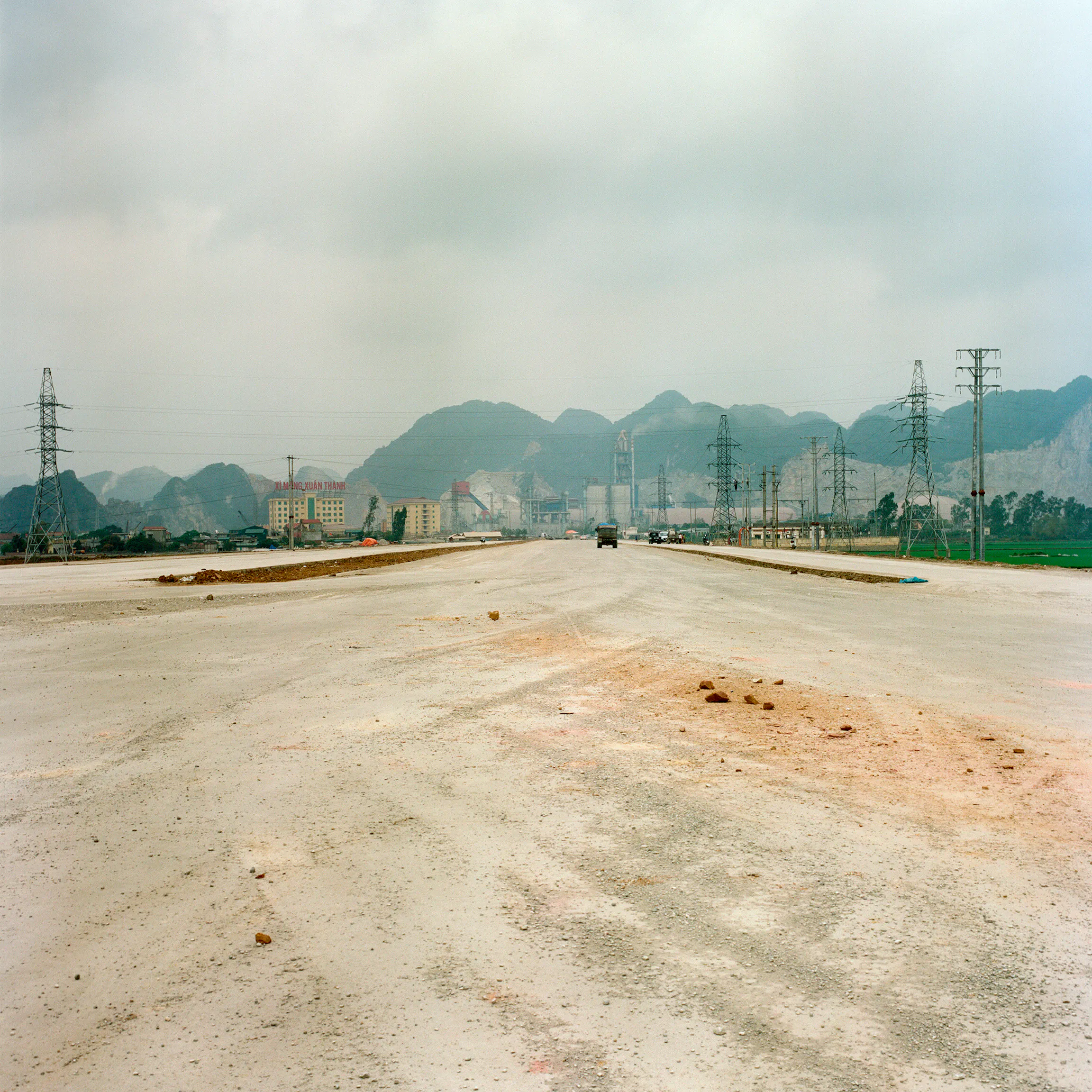
A Folktale From Vietnam: Speeding Motorcycles and Roasted Lemongrass is the result of eight years of research and the production of a series of photographs taken in 2013, 2015 and 2018 during Gianpaolo Arena’s travels through Vietnam. Both the photographs and the essays examine the complex bond between landscape and human civilization. In this sprawling sequence of urban growth, places and portraits we find continual antitheses of periods and customs that sometimes clash, at others meld. This project captures fragments of different rituals and ways of life of the contemporary Vietnamese society. The author offer a glimpse of Vietnam’s present and future cities between time and decay, culture and capitalism, folklore and propaganda.
EXTRACTS FROM THE TEXTS
The Vietnam of our imagination stems from the intersection between cinema, literature and photography. Over time this combination has built up a layer of established knowledge of the country, which it is hard to peel away in order to offer a different perspective. When we say Vietnam we think of the exotic, we think of Asia as an indistinct geographical idea. Vietnam is the epitome of elsewhere.
Fabio Severo from “Private Geography”
Between vestiges of communism and desire for consumerism, Vietnam over the last twenty years has been going through one of the most vigorous urban transitions in Southeast Asia, linked to an extraordinary and constant economic growth that forecasts suggest is only going to strengthen in the coming decades. If on the one hand the economic progress of Asian capitalism has brought numerous benefits for the entire country, on the other all the frailties that such sudden and aggressive urban development has generated are increasingly evident. Yet it is precisely in the contradictory gaps between these two aspects that the identity and urban character of Vietnamese cities and the country as a whole are framed.
Simona Galateo from “Vietnam: Urban Development between Tradition and Globalization”
So listening to this book signifies, at one and the same time, taking in its silence and turning on a radio on which each image tunes in to one of a multitude of frequencies, carrying the voices, music and sounds of the landscape and life of Vietnam. Some of these presences, multiplied and dispersed, define the unmistakable aural identity of the main Vietnamese cities.
Francesco Bergamo from “On the Trail of the Vietnamese Soundscape”
.
“A FOLKTALE FROM VIETNAM: Speeding Motorcycles and Roasted Lemongrass” è il risultato di 8 anni di ricerca e la produzione di una serie di fotografie realizzate in Vietnam nel 2013, 2015 e 2018. Sia le fotografie che i saggi esaminano il complesso legame tra paesaggio e civilizzazione. In questa sequenza ramificata di espansione urbana, luoghi e ritratti possiamo incontrare la compresenza di periodi e culture che a volte si scontrano, a volte si mescolano tra loro. Questo progetto cattura frammenti di rituali e di modi di vivere diversi della società vietnamita contemporanea. Il mio sguardo si sofferma sul presente e sul futuro delle città, tra memoria e decadenza, cultura e capitalismo, folklore e propaganda.
ESTRATTI DAI TESTI
Il Vietnam del nostro immaginario nasce al crocevia tra cinema, letteratura e fotografia. Nel tempo questo incrocio ha prodotto un sostrato di conoscenza pregressa del paese, rendendo difficile liberare lo sguardo per proporne una lettura diversa. Vietnam vuol dire pensare l'esotico, vuol dire l'Asia come idea geografica indistinta, vuol dire l’altrove per eccellenza.
Fabio Severo da “Una geografia privata”
Tra segni di comunismo e desiderio di consumismo, negli ultimi vent’anni il Vietnam sta vivendo una delle transizioni urbane più vigorose del sud est asiatico, legata ad uno straordinario e costante sviluppo economico che secondo le previsioni si rafforzerà ancora nei prossimi decenni. Se da una parte la crescita economica del capitalismo asiatico ha portato numerosi benefici per l’intero paese, dall’altra sono sempre più evidenti tutte le fragilità che uno sviluppo urbano così repentino e aggressivo ha generato. Tuttavia, è proprio nelle contraddittorie intercapedini tra questi due aspetti che si sono definiti l’identità e il carattere urbano delle città vietnamite e dell’intero paese.
Simona Galateo da “Vietnam: lo sviluppo urbano fra tradizione e globalizzazione”
Mettersi all’ascolto di questo libro significa dunque, allo stesso tempo, accoglierne il silenzio e accendere una radio che le immagini sintonizzano, di volta in volta, su molteplici frequenze trasportanti voci, musica e suoni del paesaggio e della vita del Vietnam. Alcune di tali presenze, moltiplicate e dislocate, determinano l’inconfondibile identità sonora delle principali città vietnamite.
Francesco Bergamo da “Sulle tracce del paesaggio sonoro vietnamita”
The Valley Between Peaks and Stars
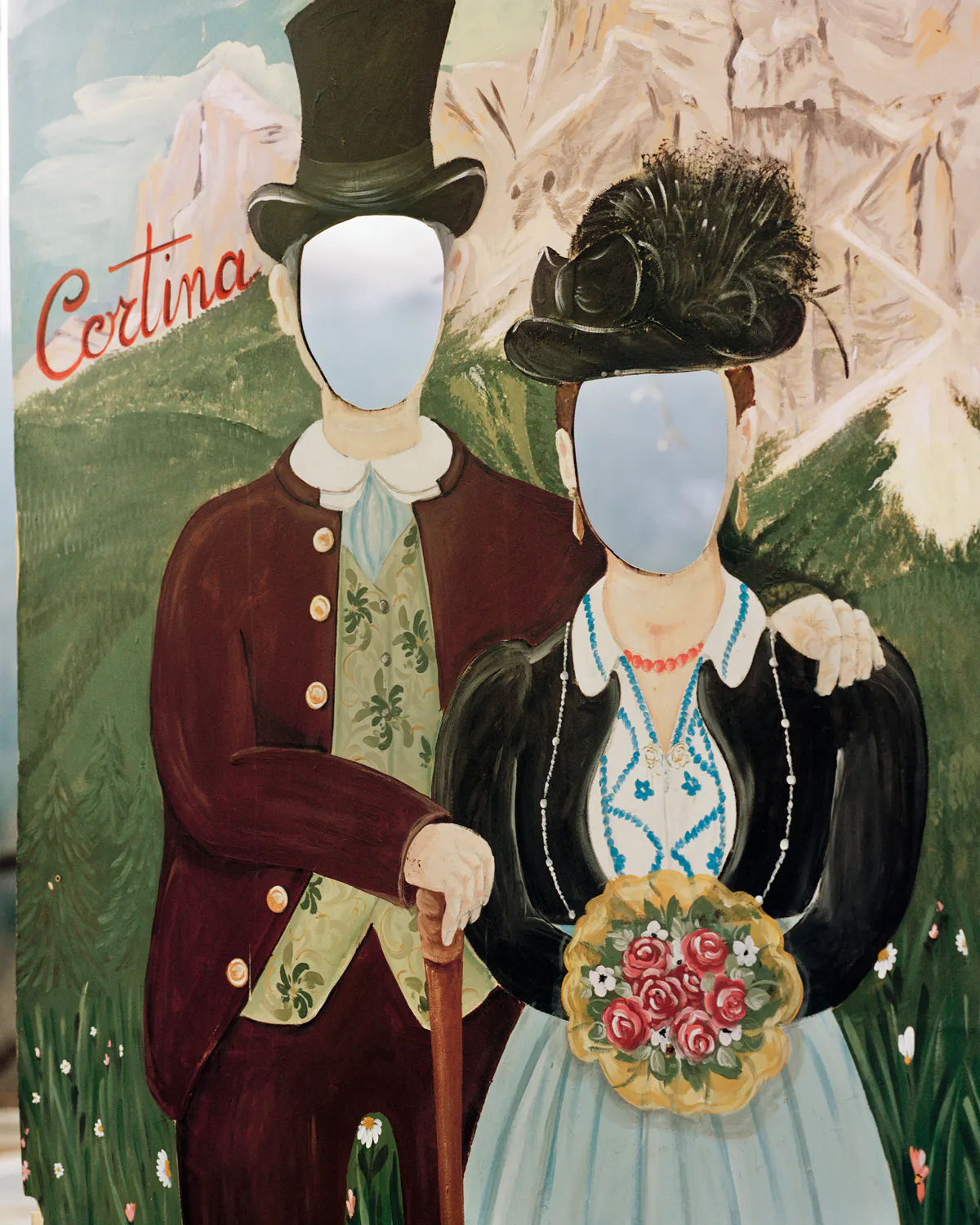
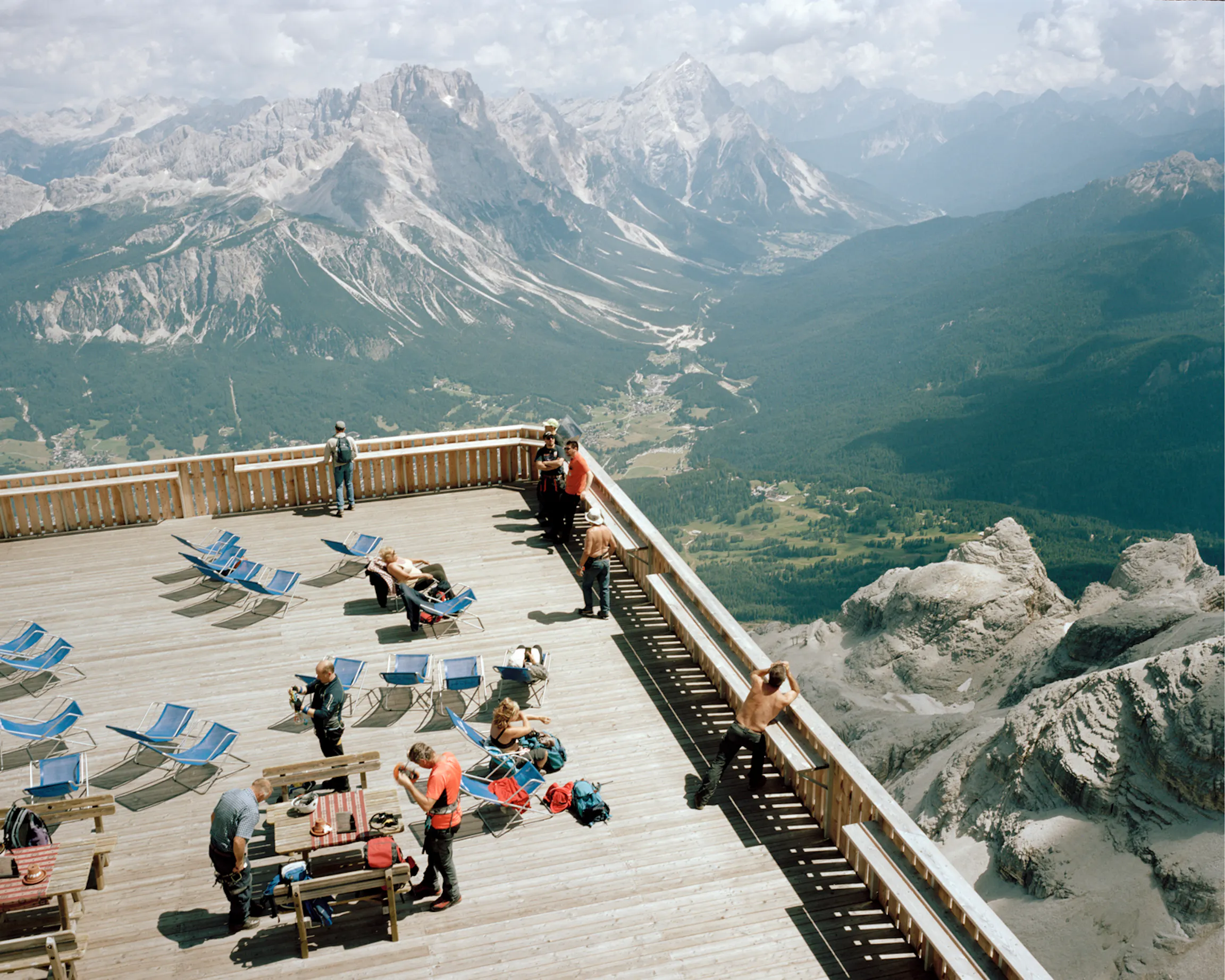
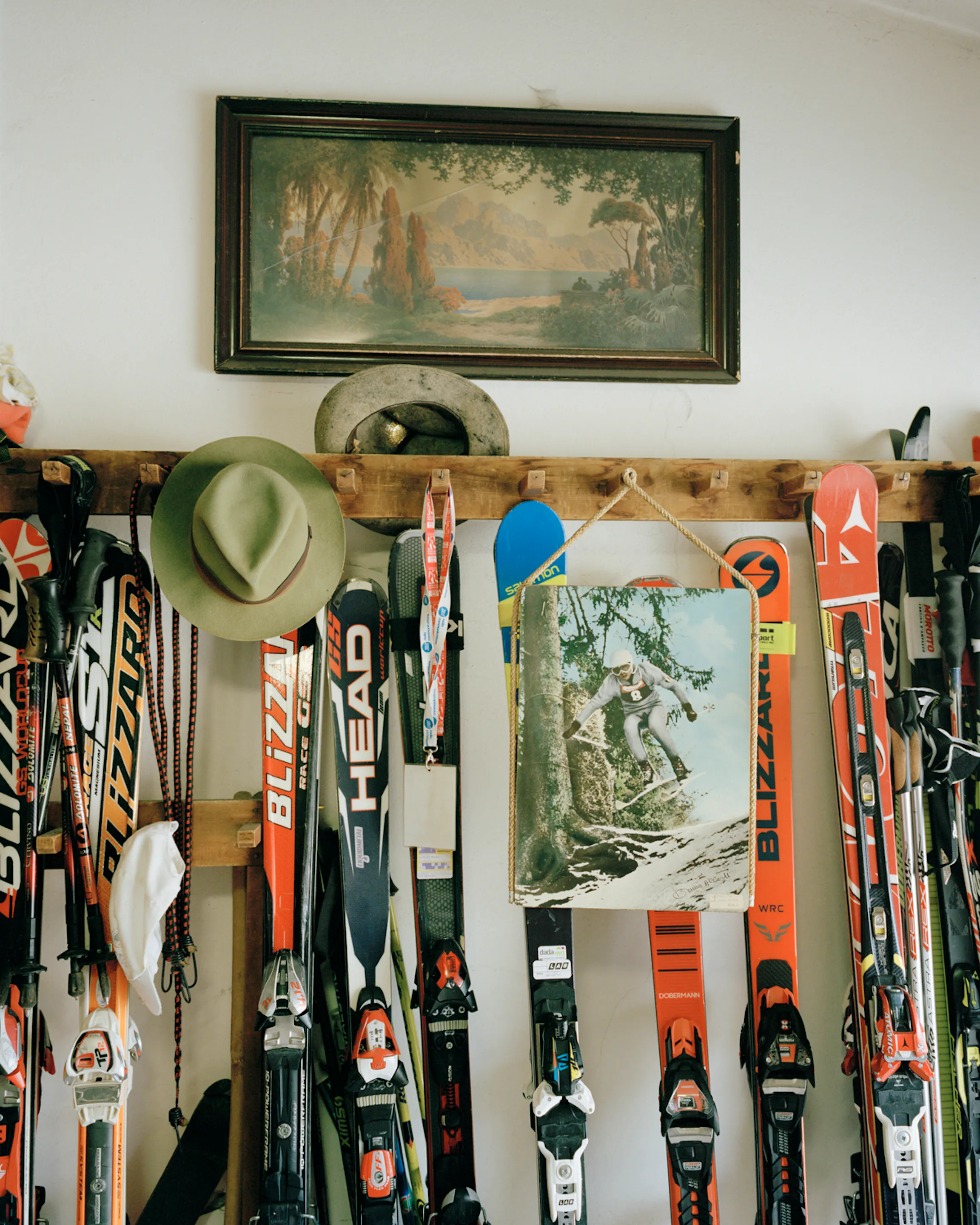
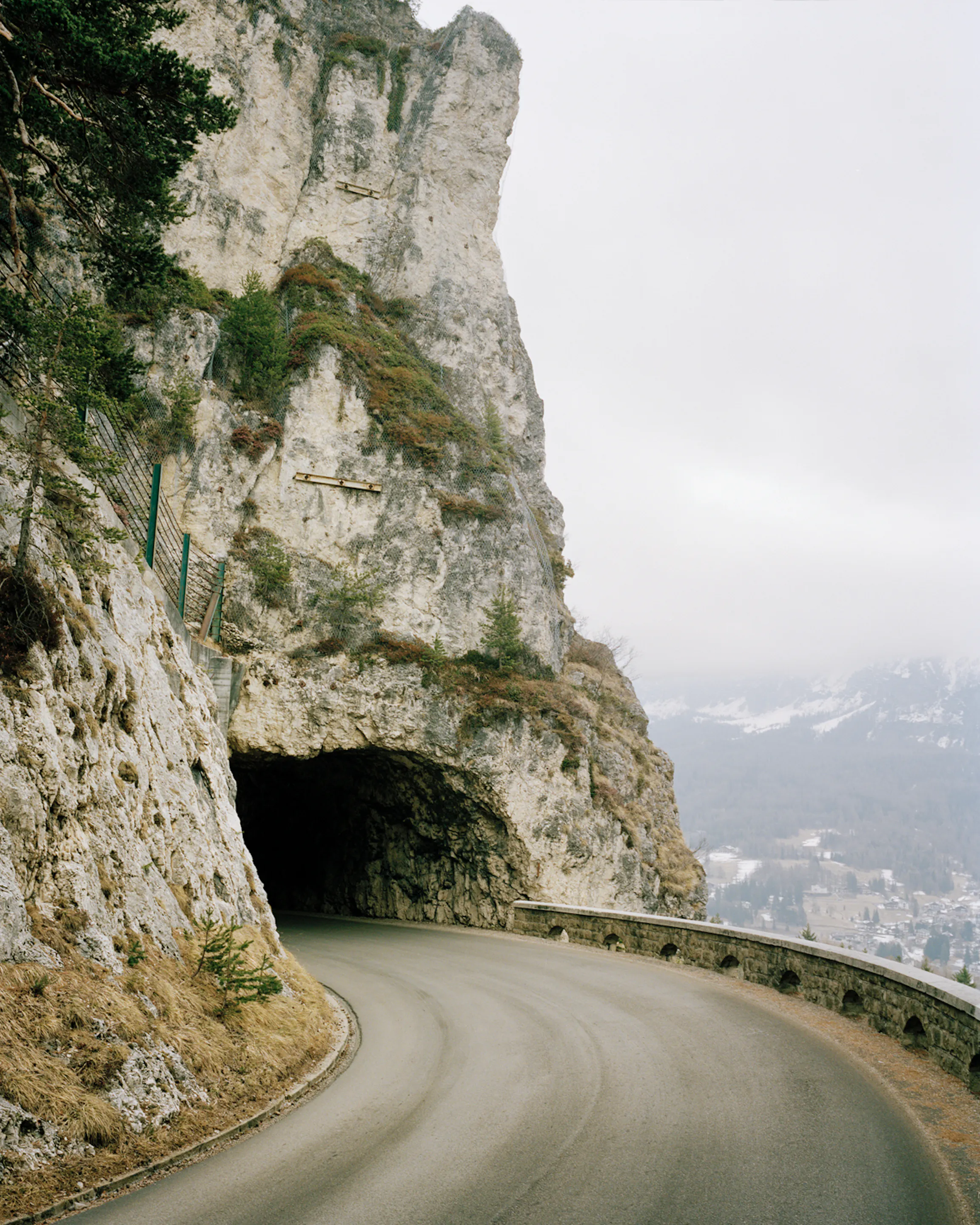
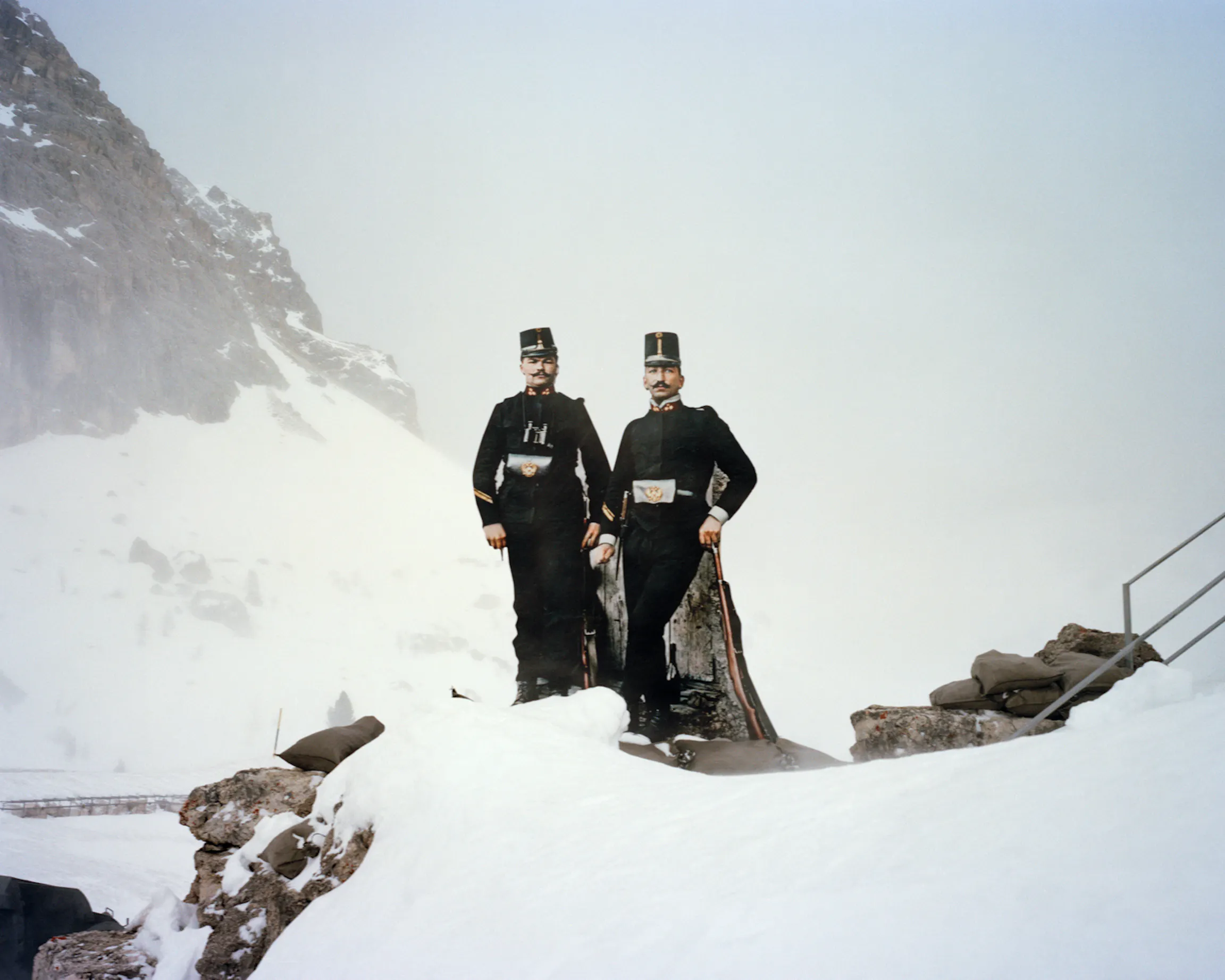
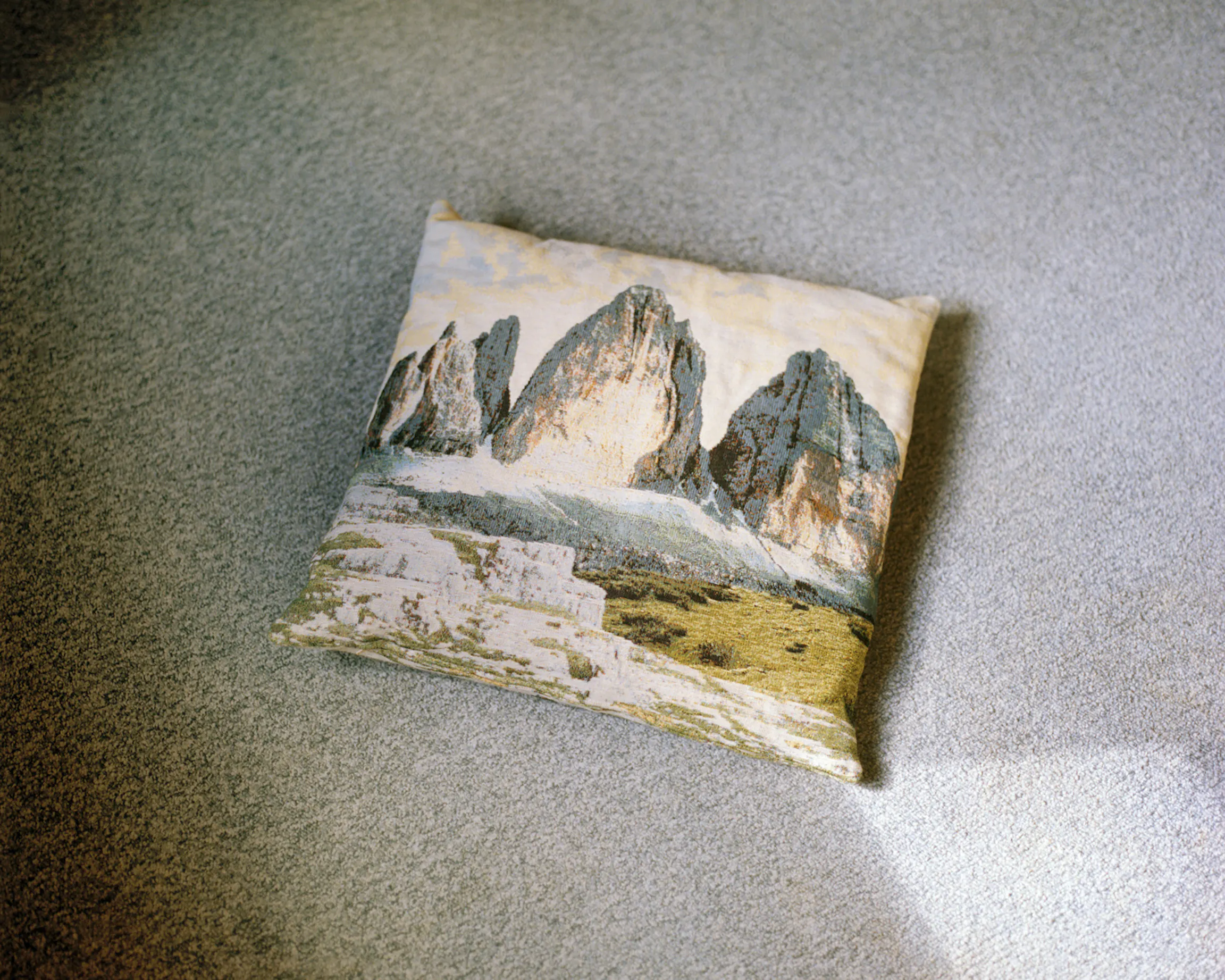
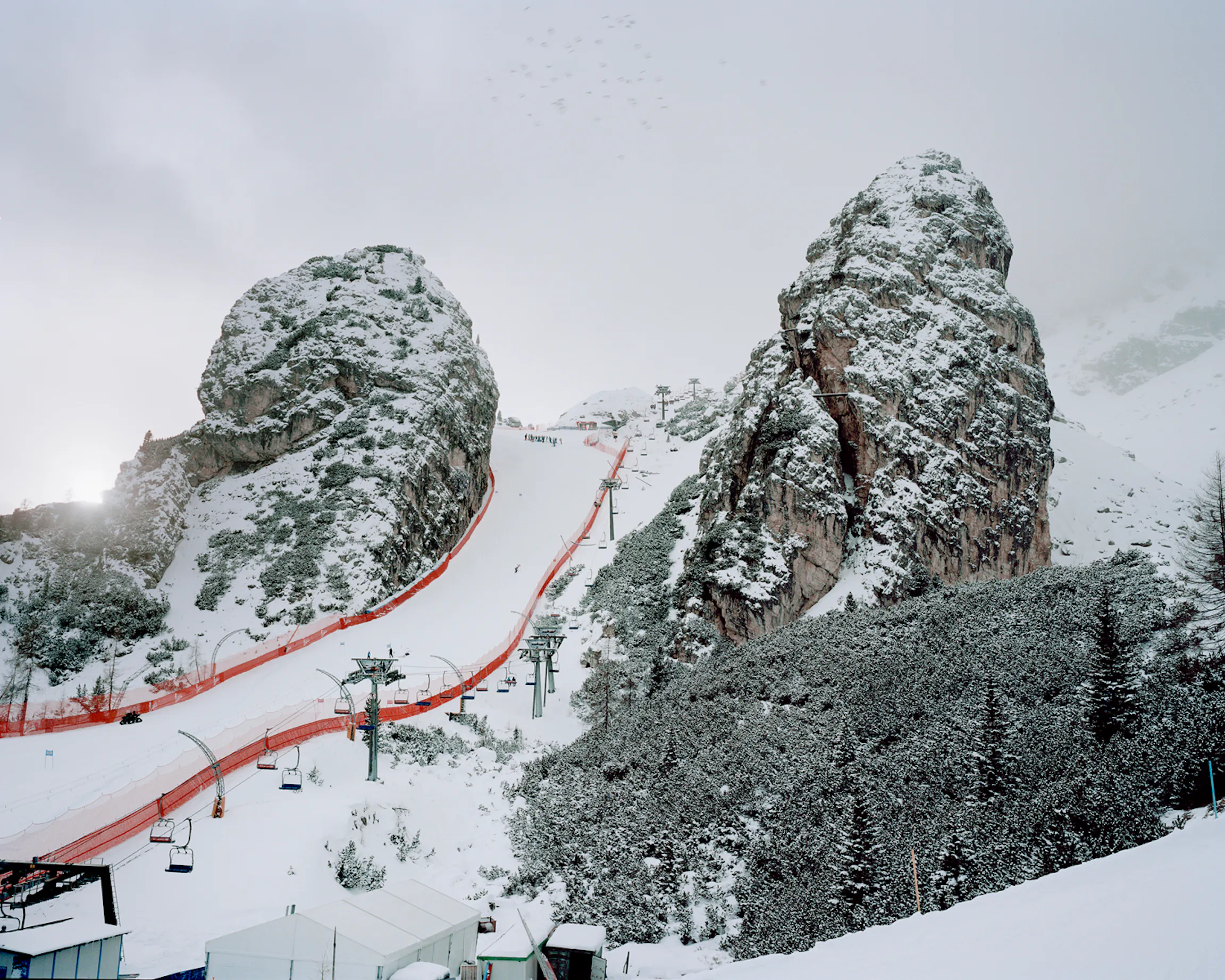
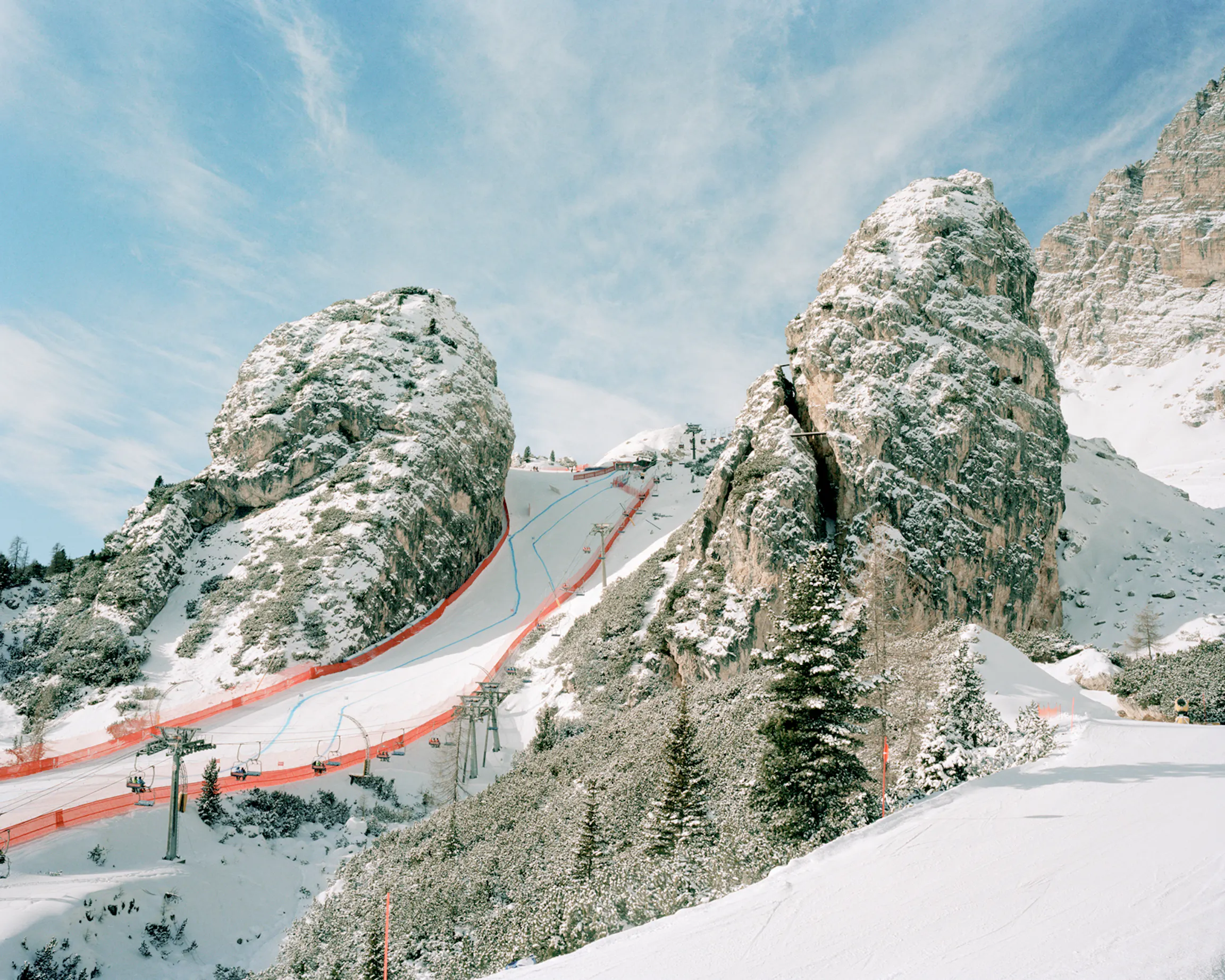
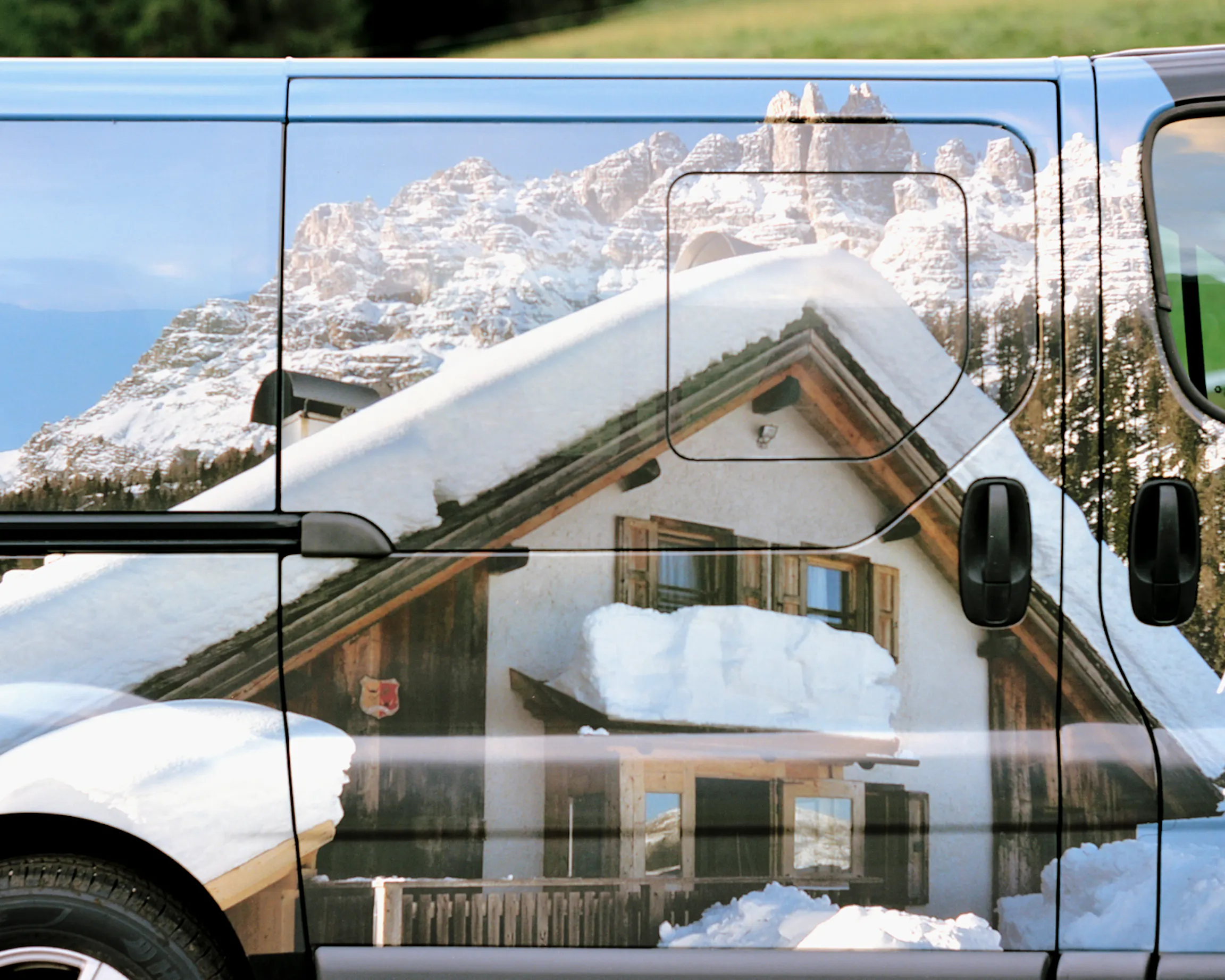
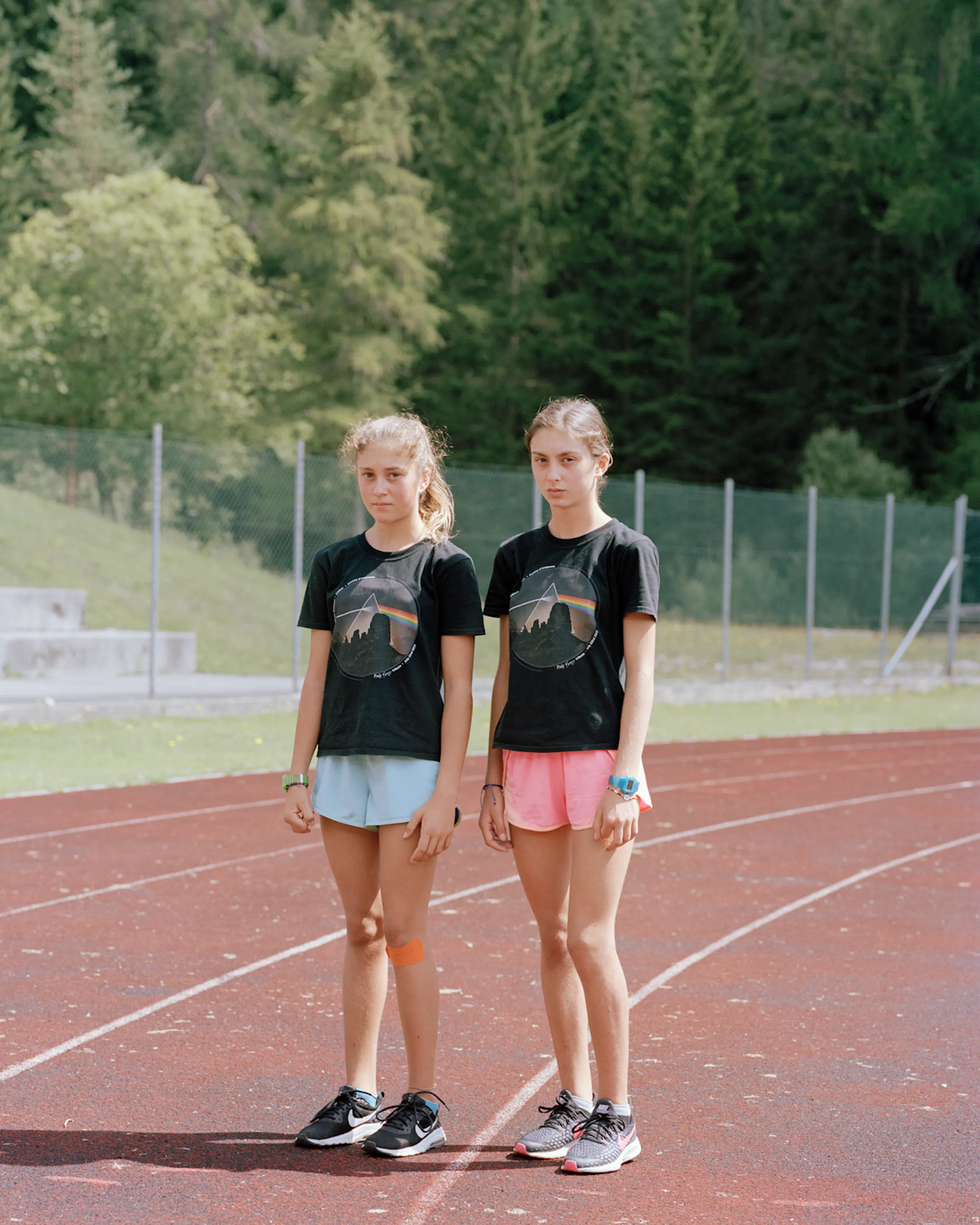
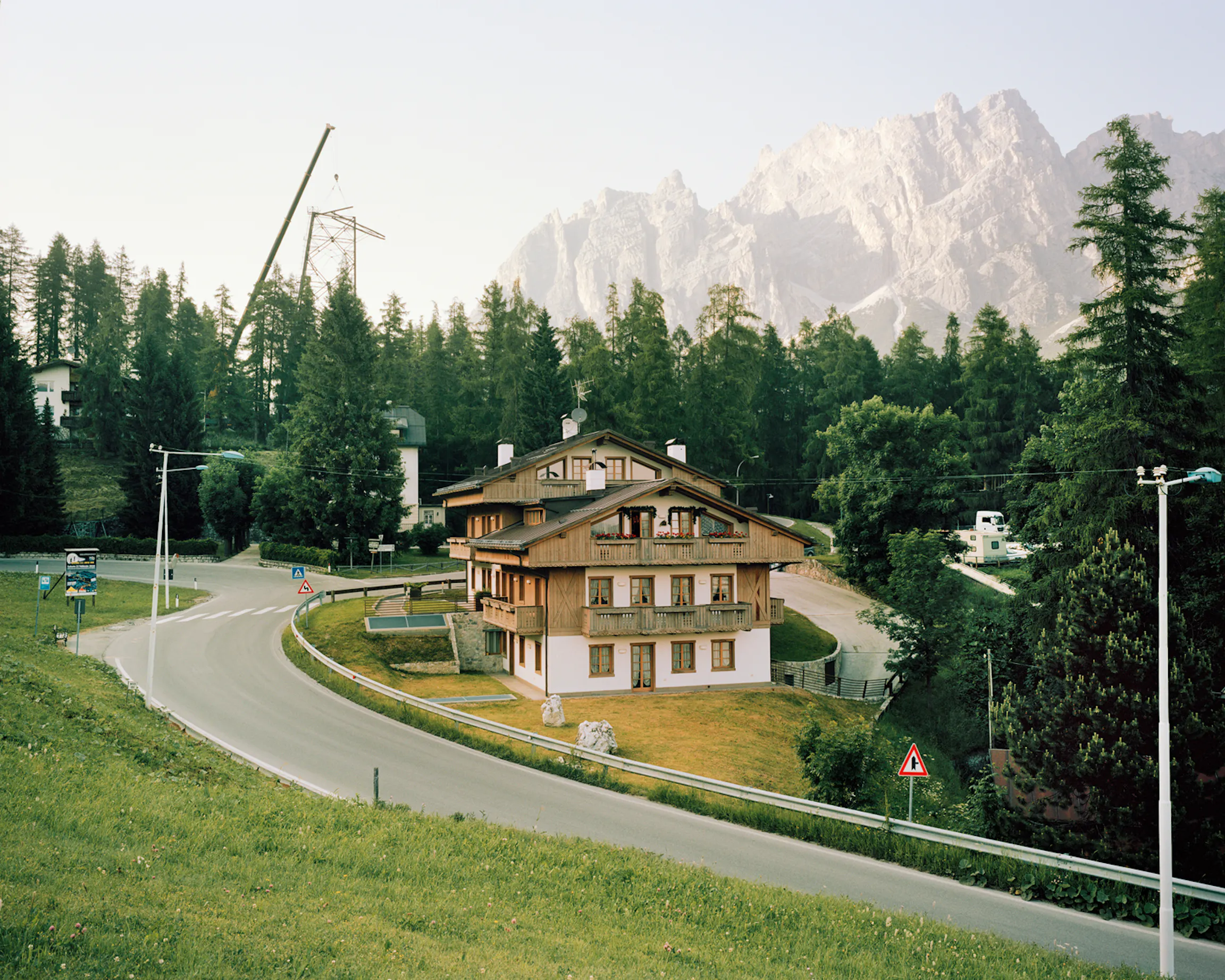

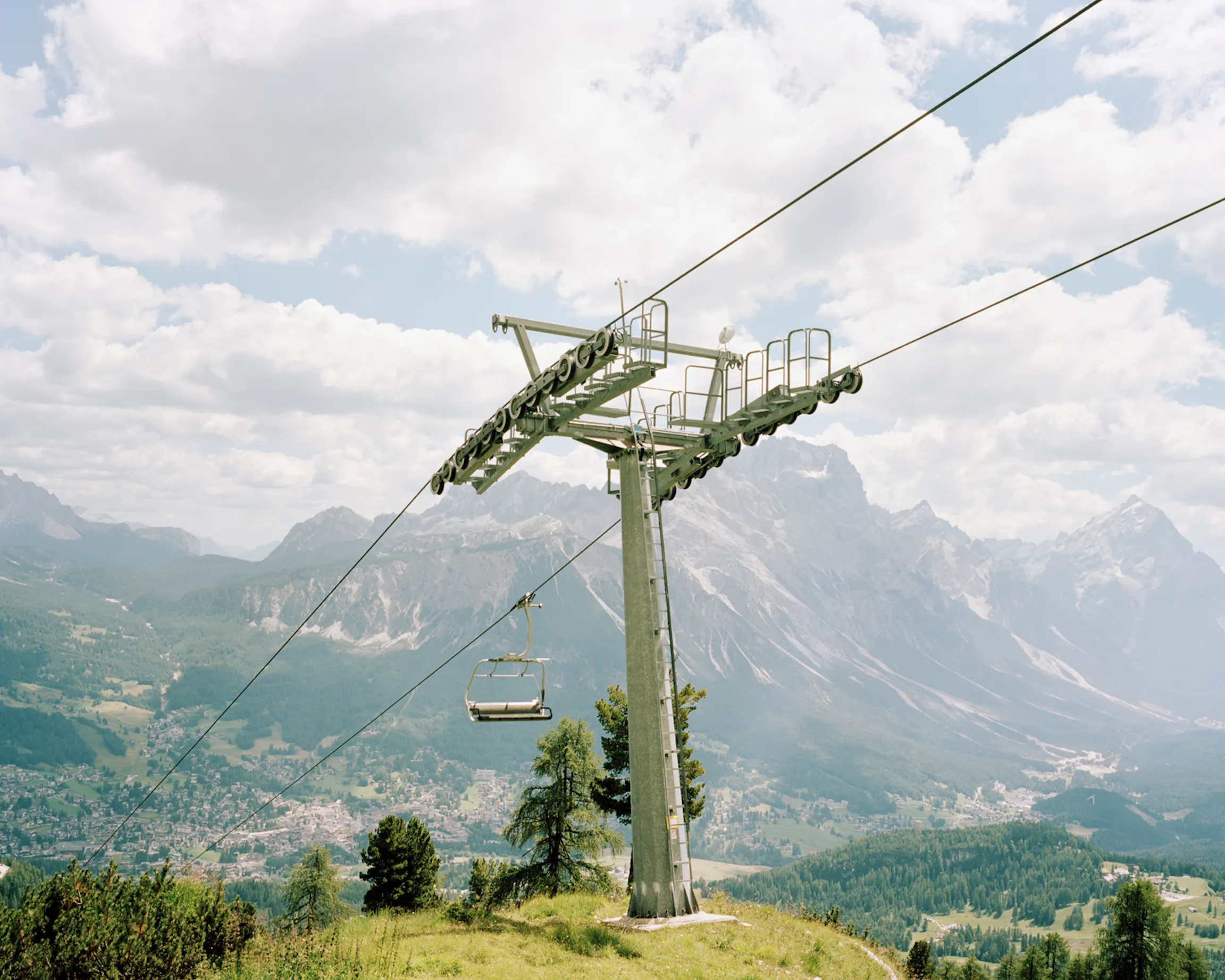

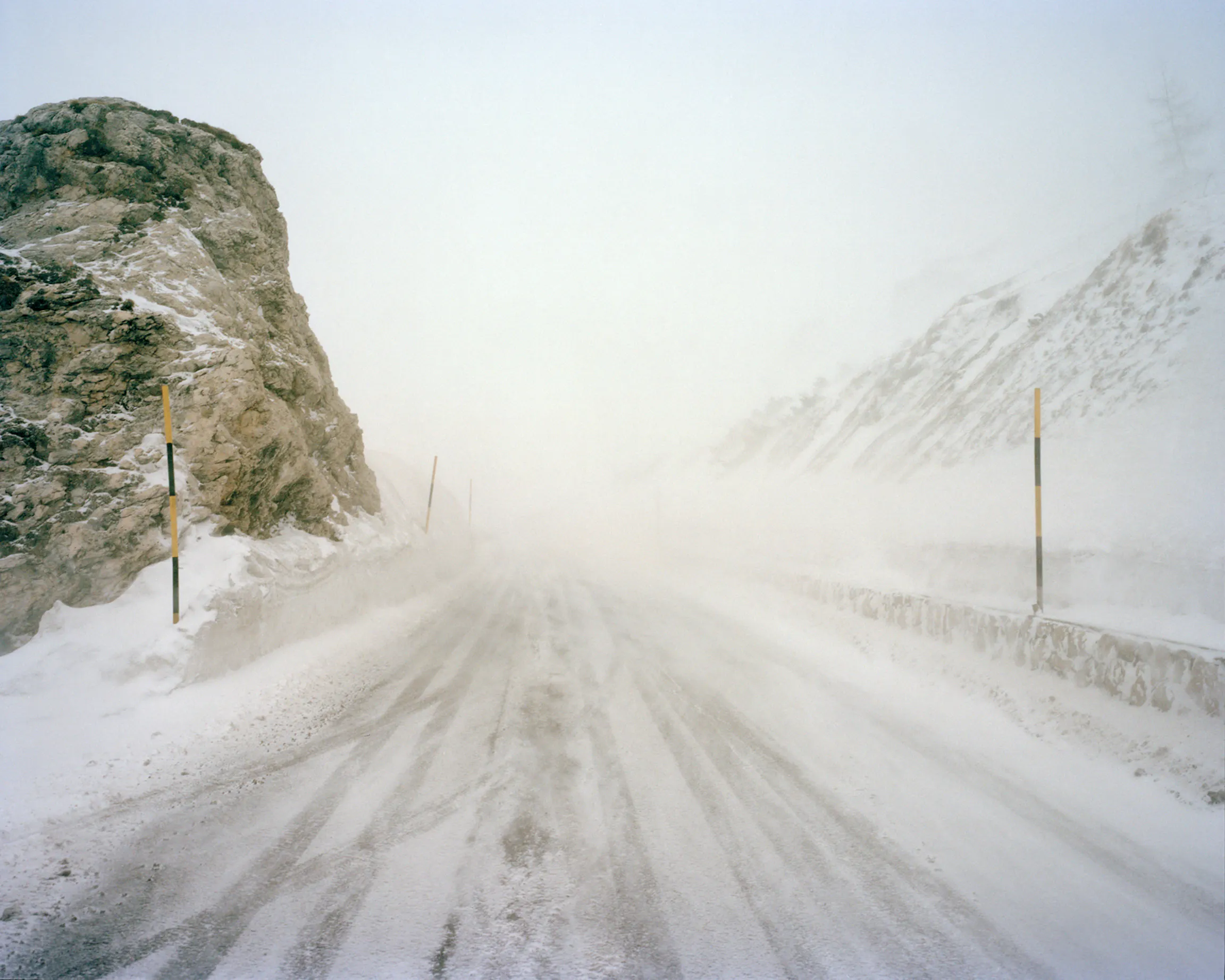
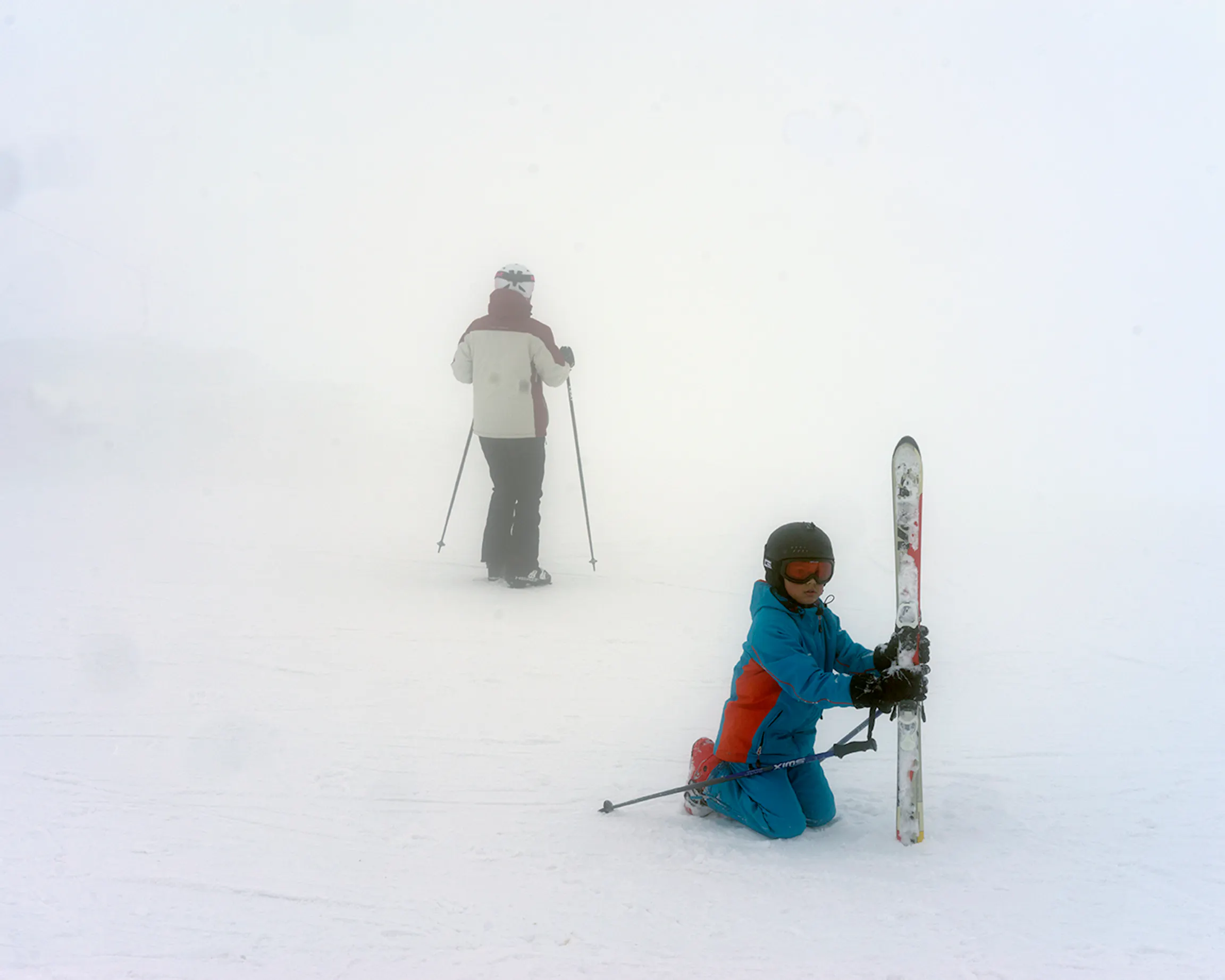
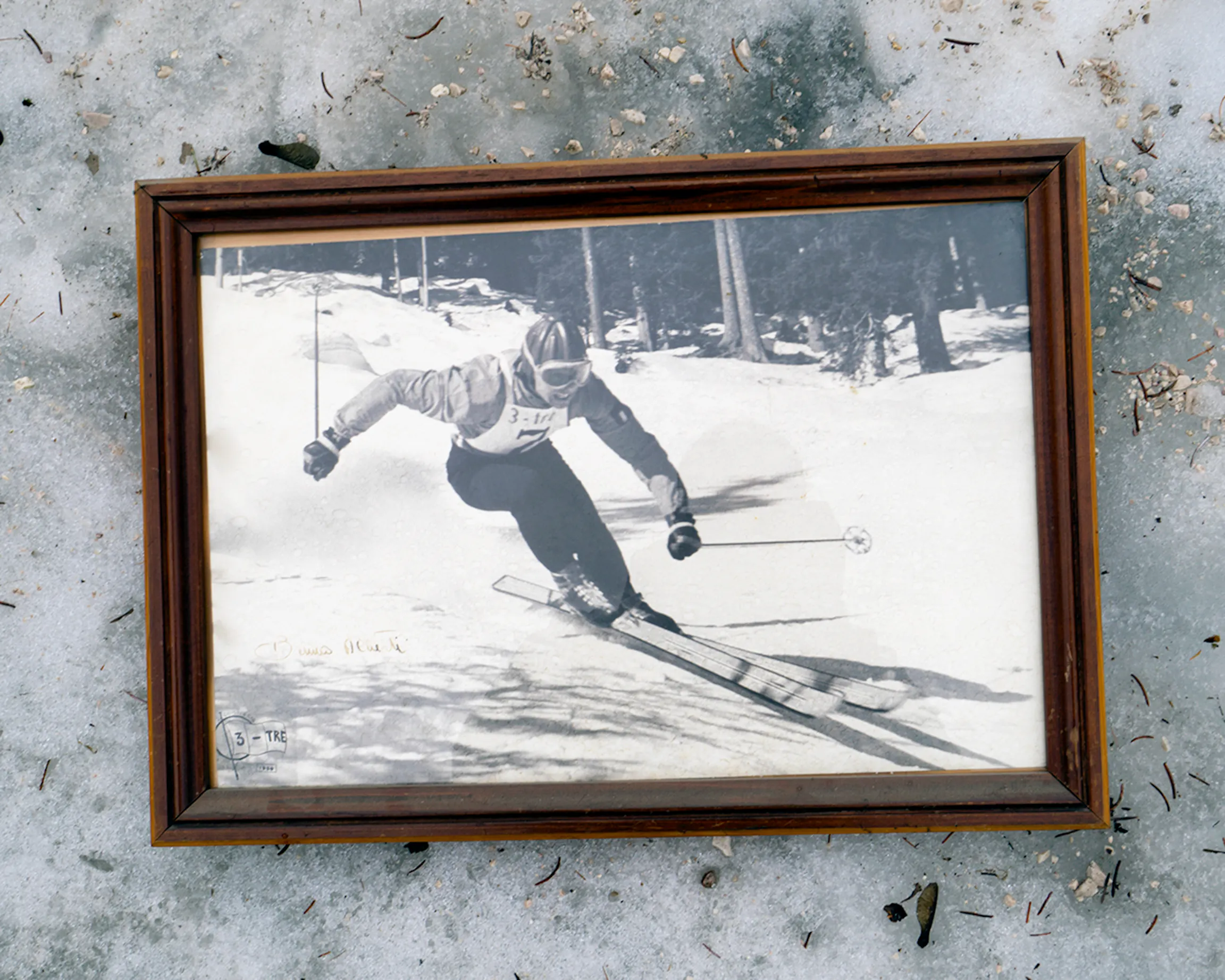
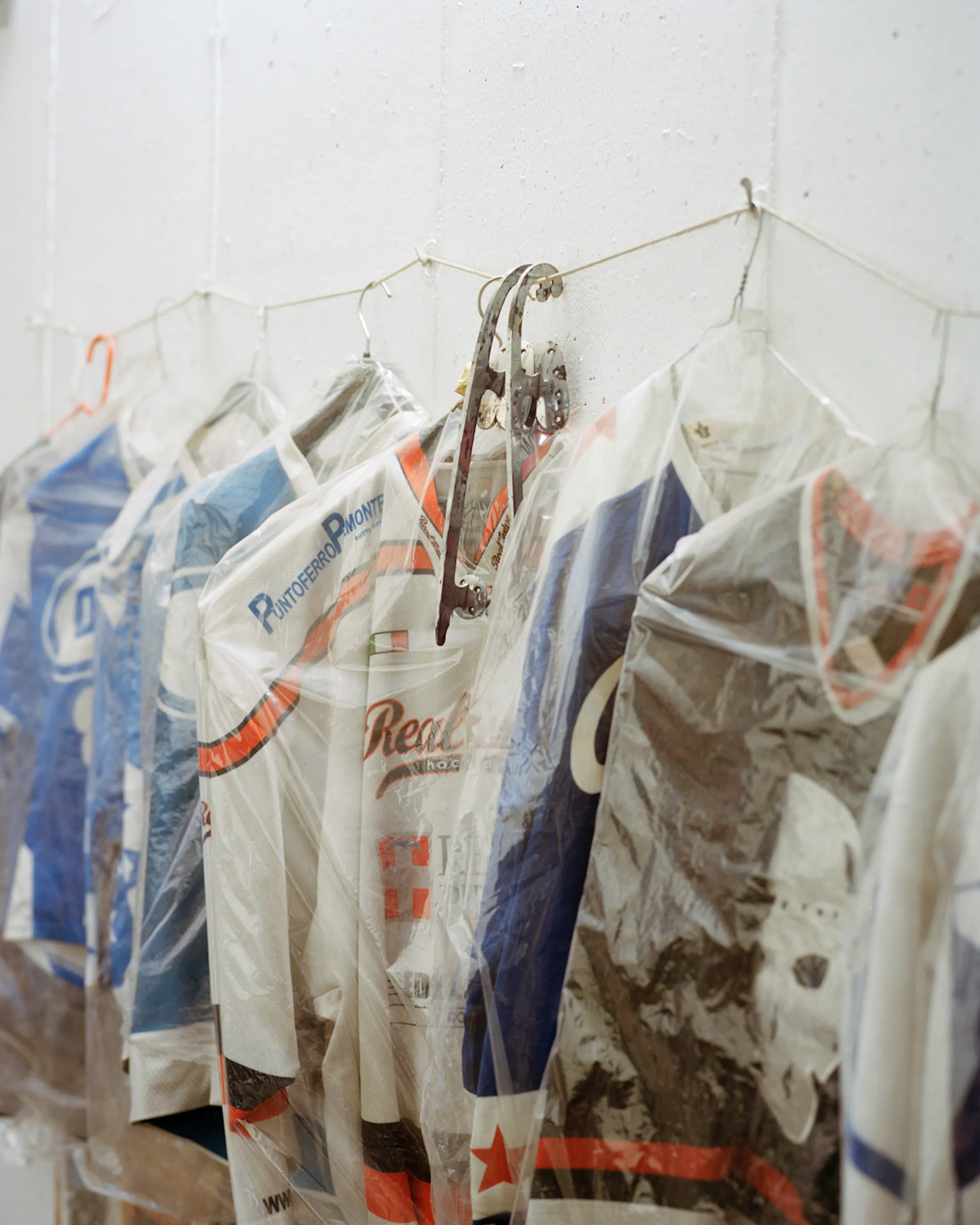
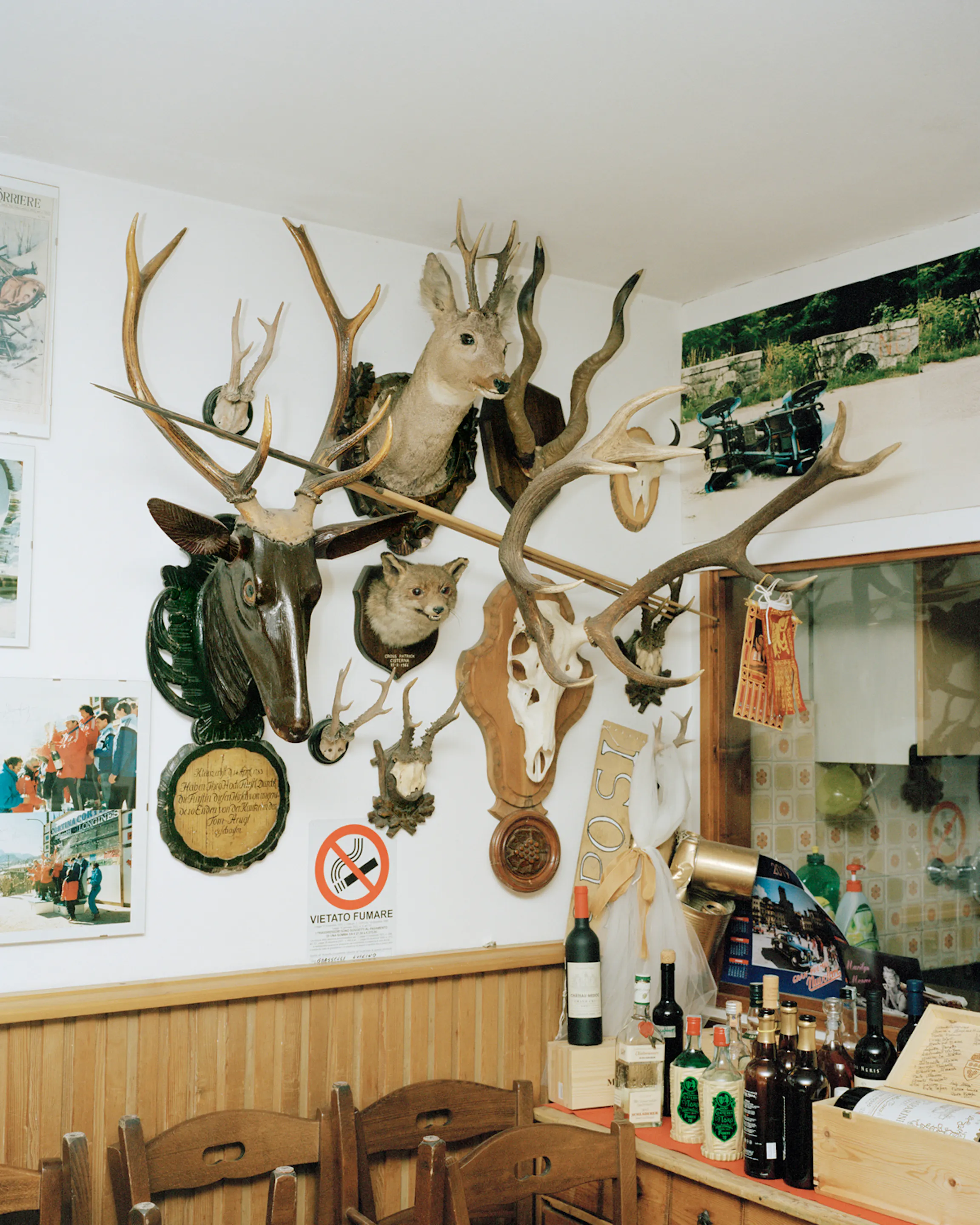
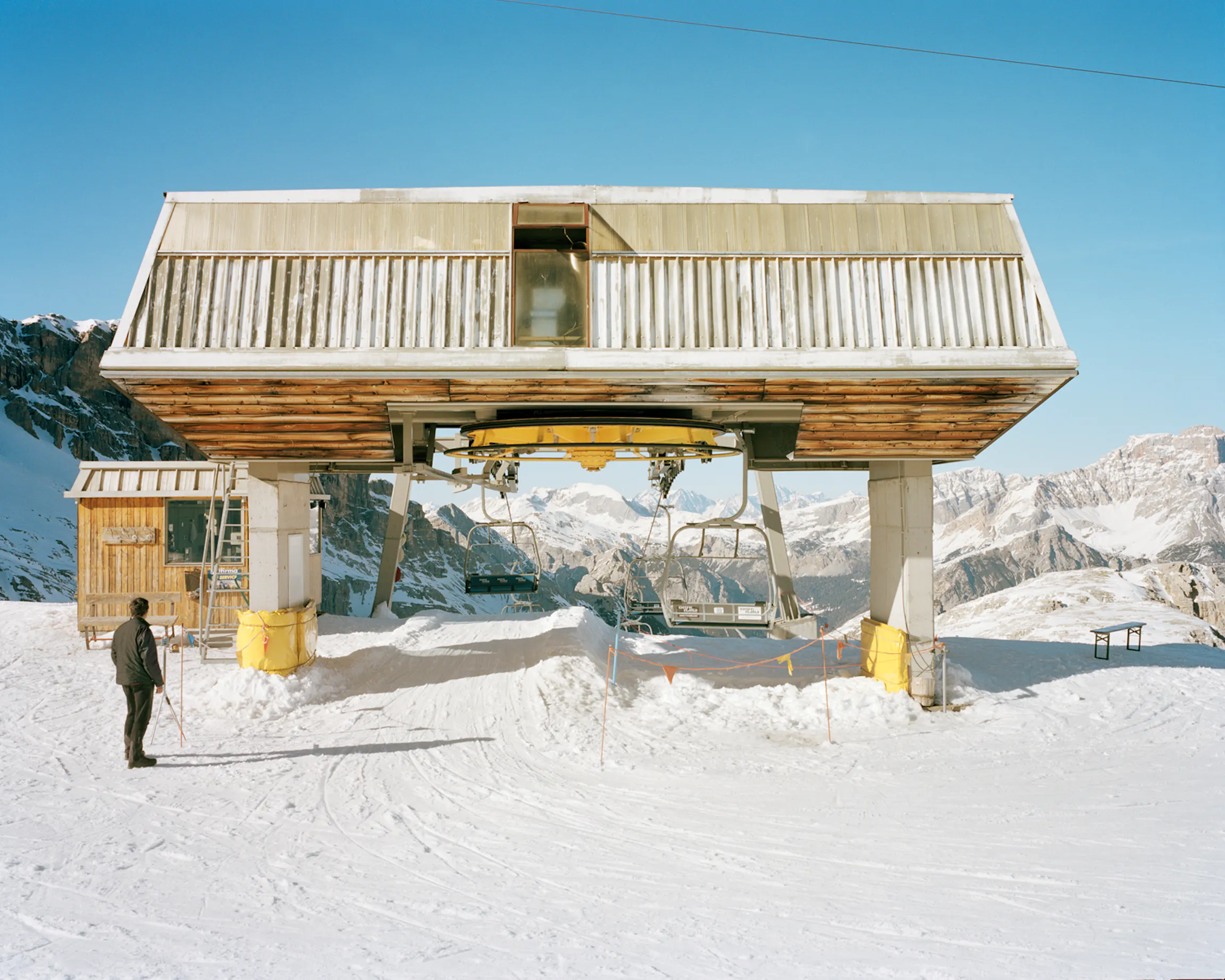
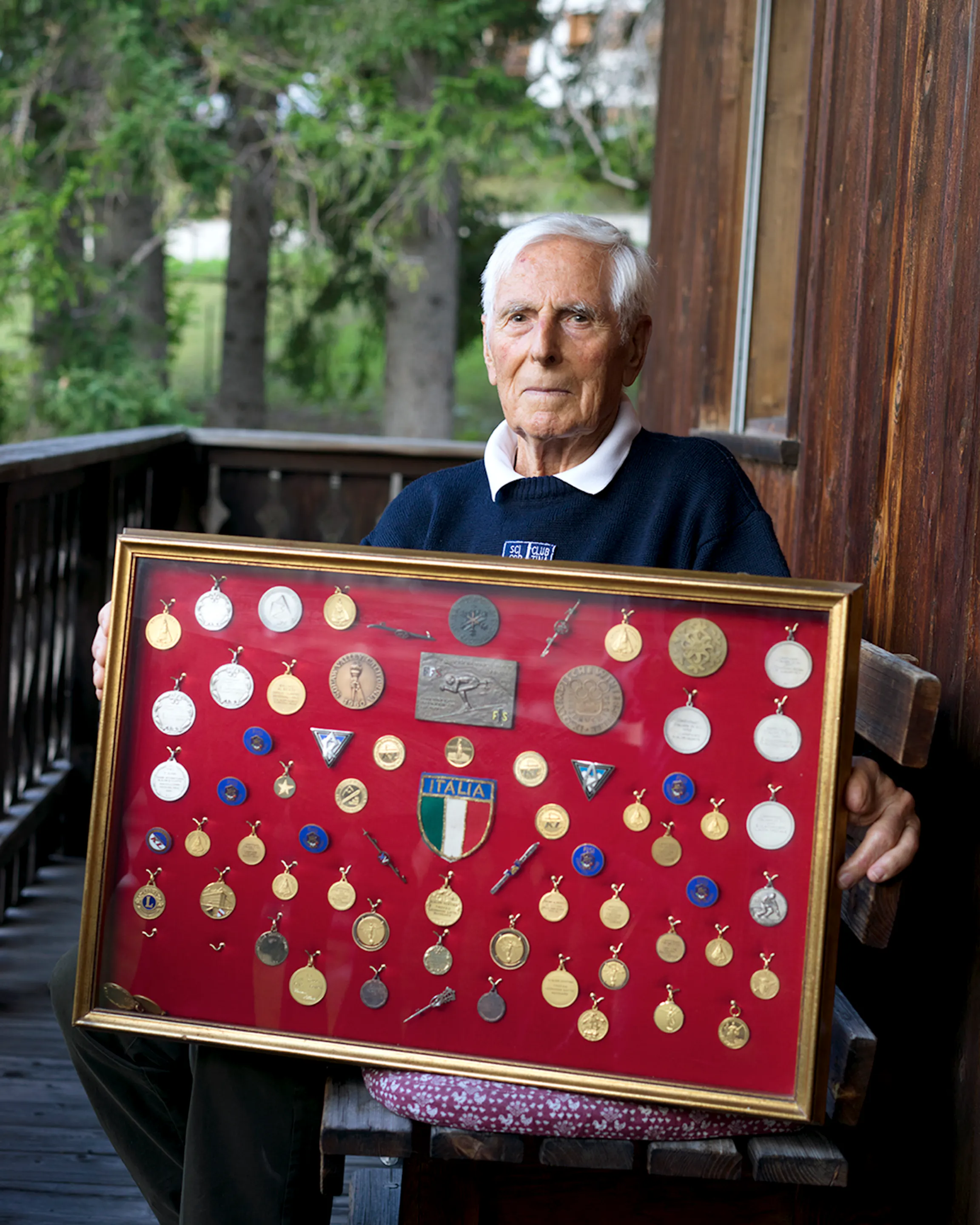
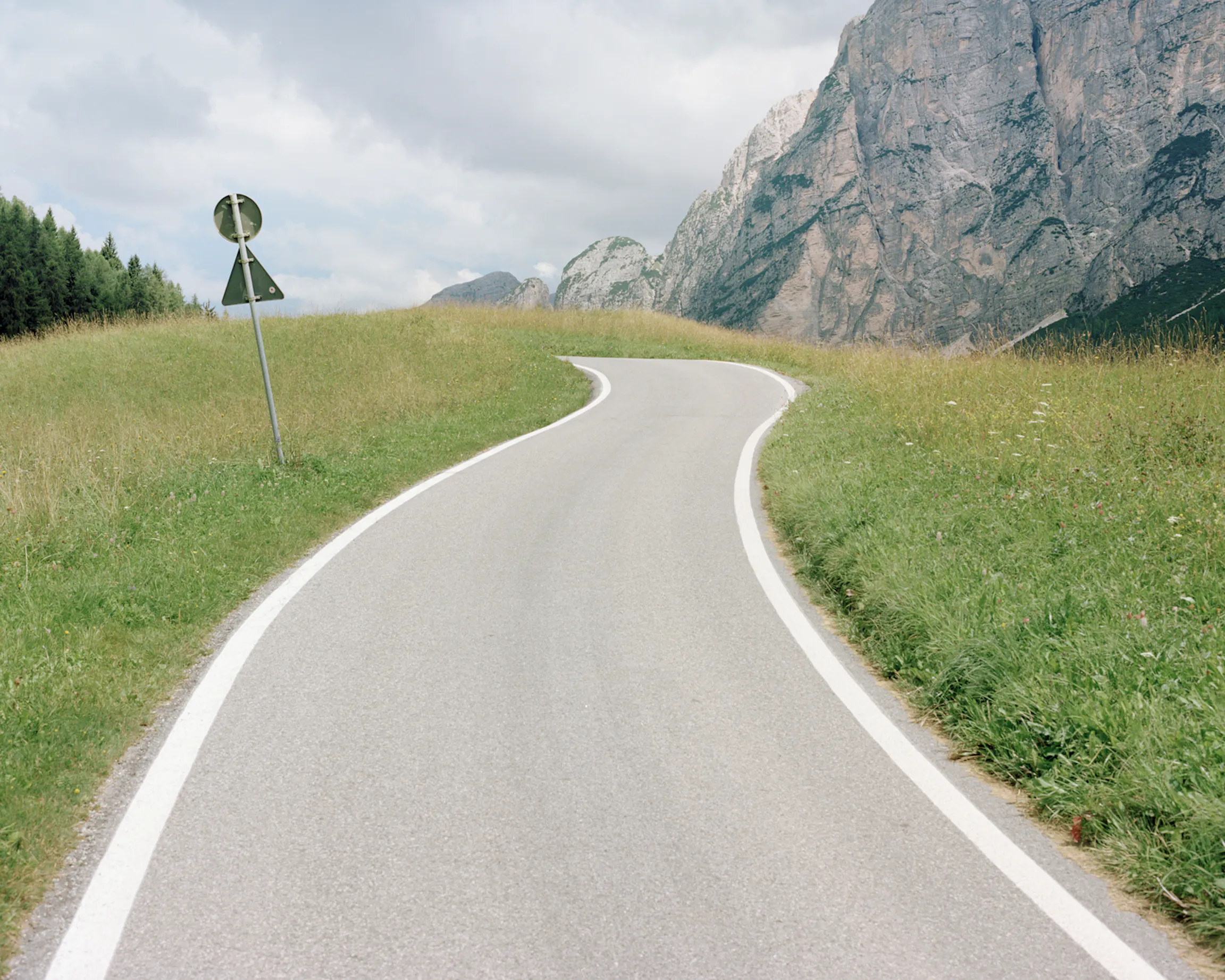
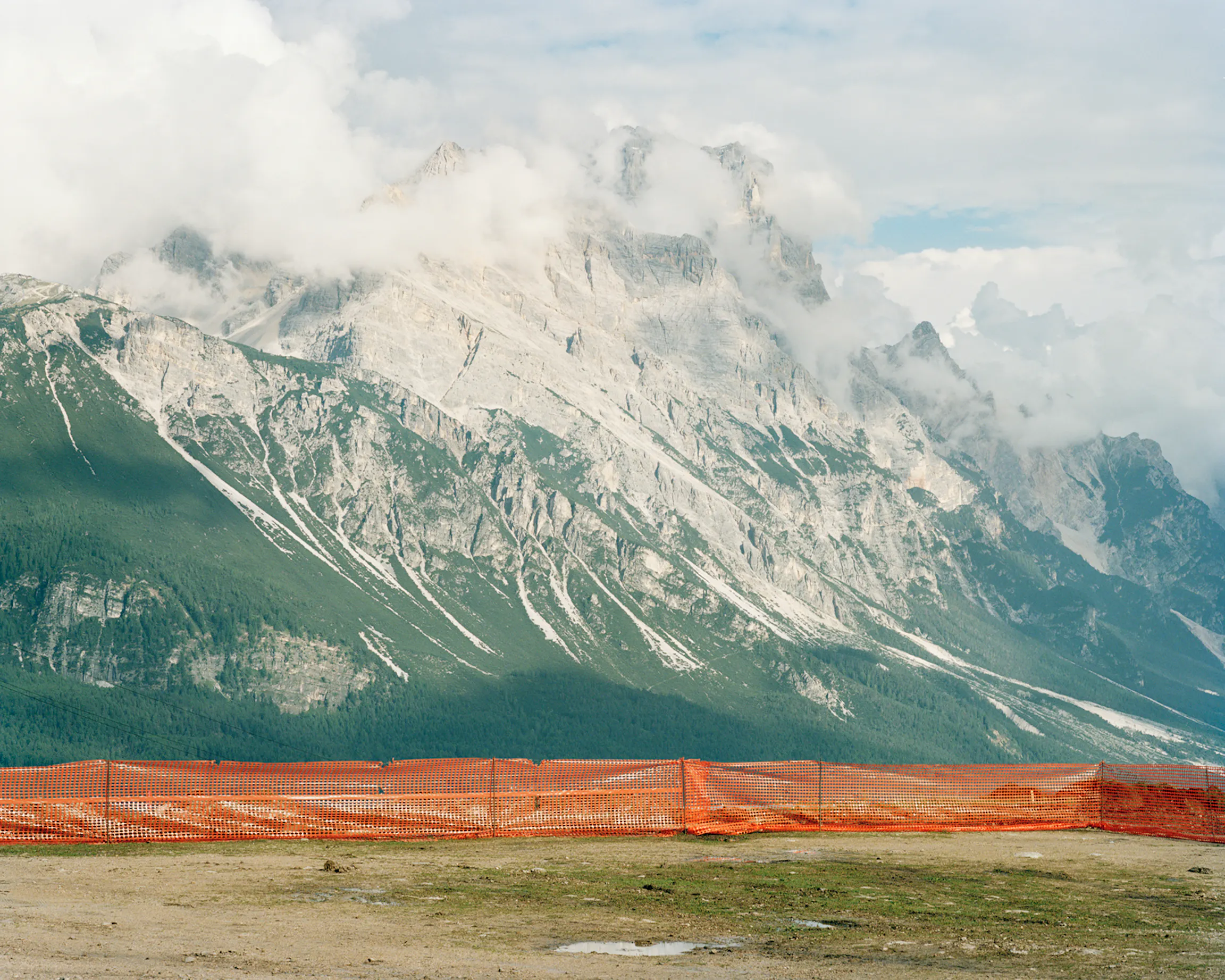
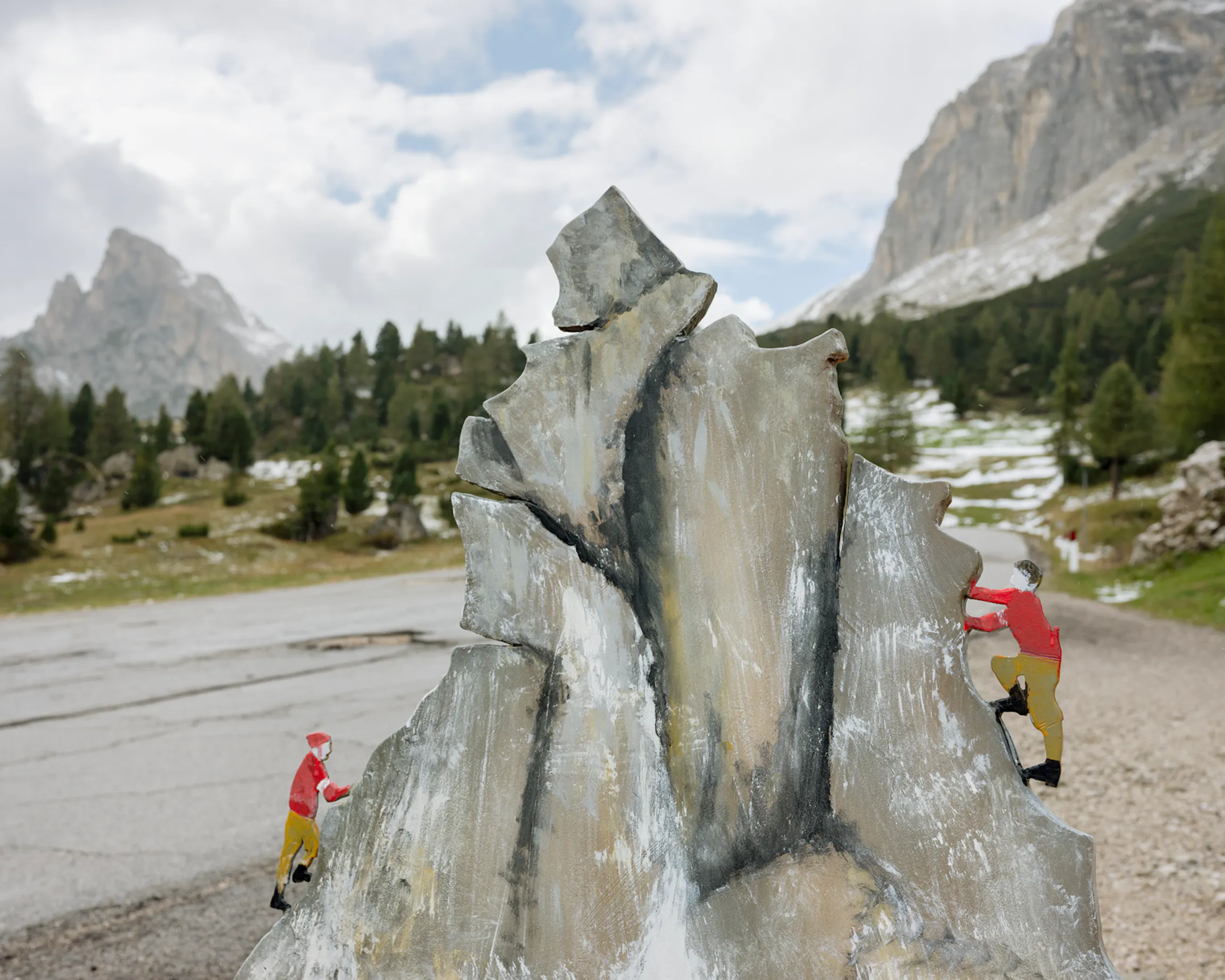
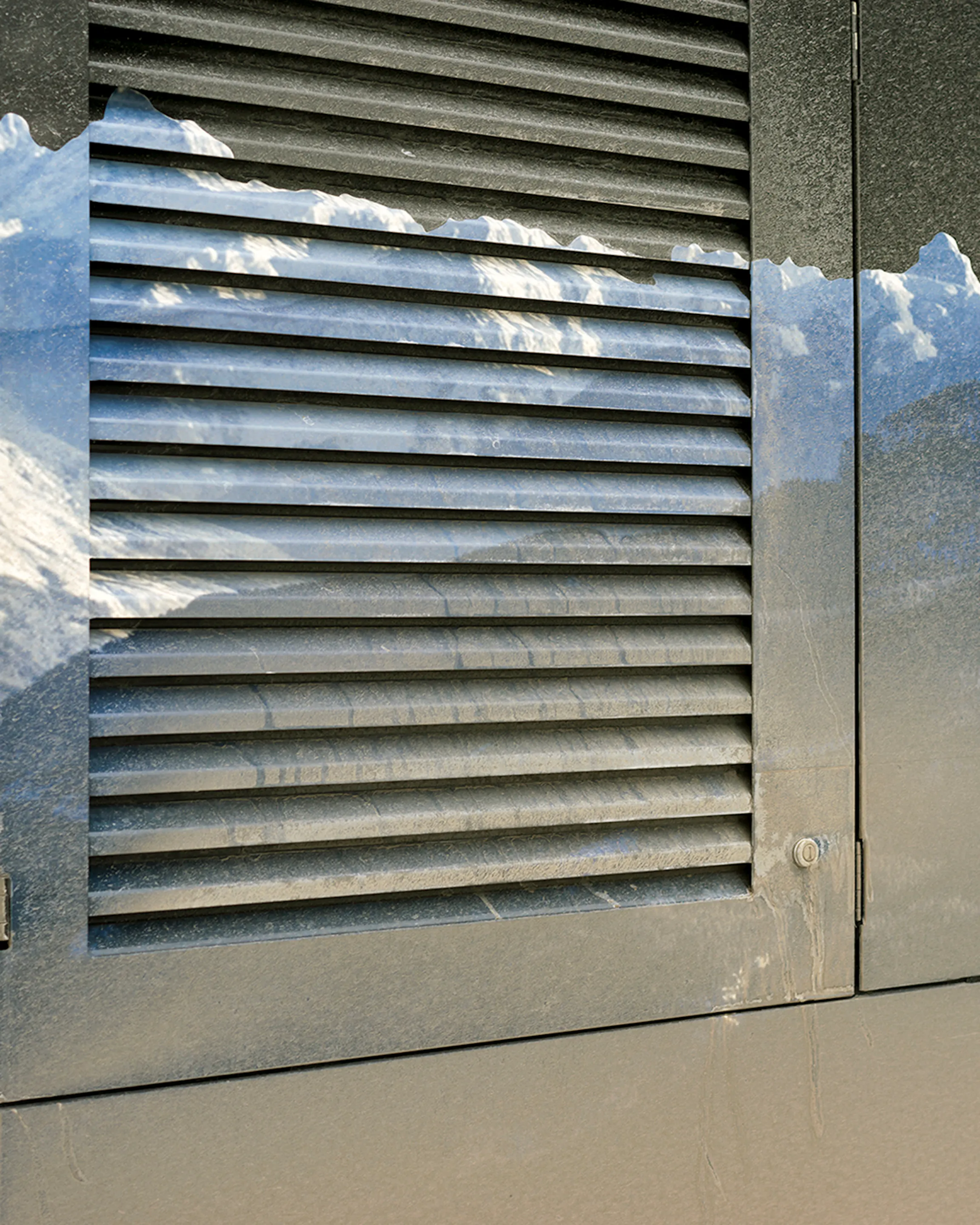
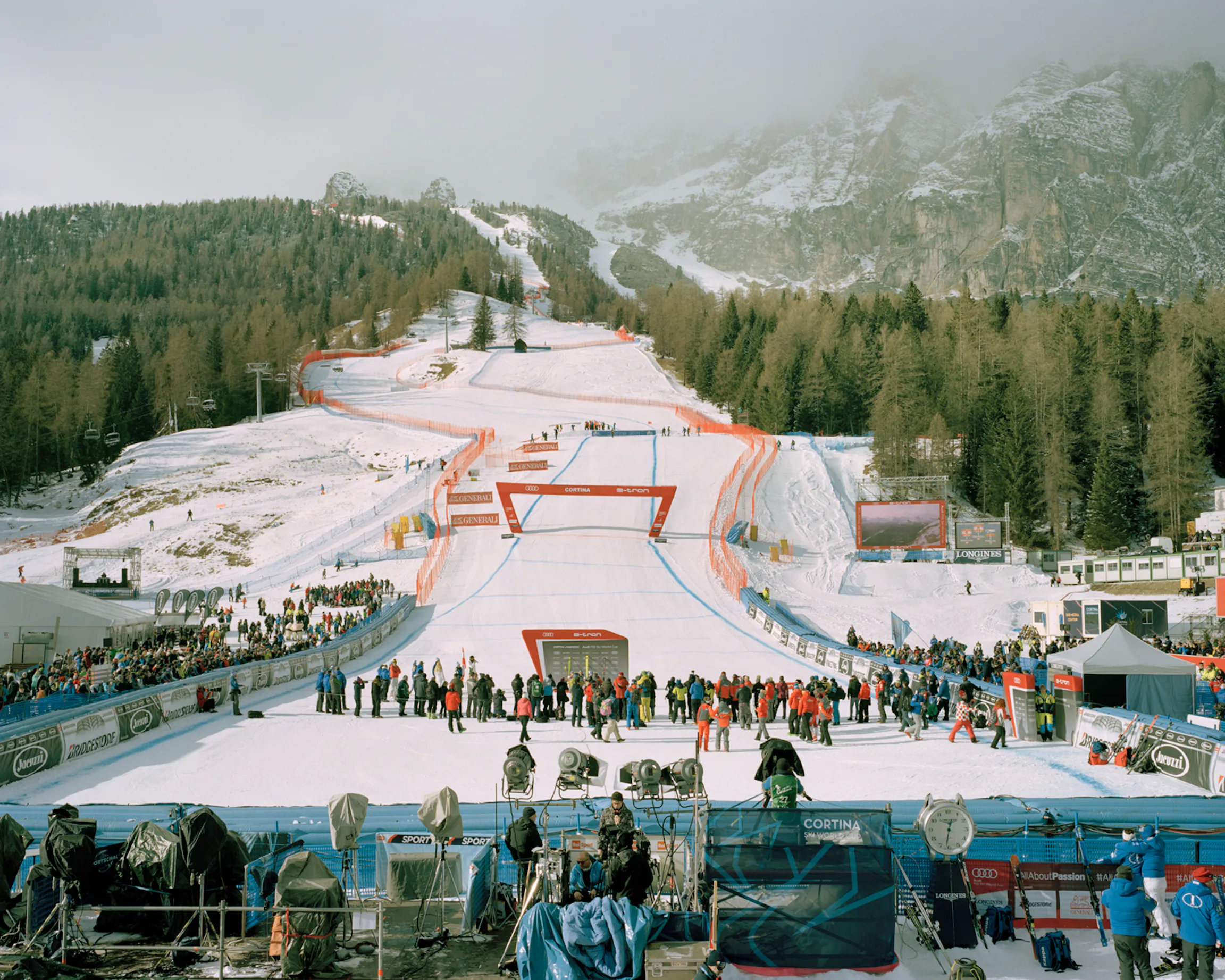
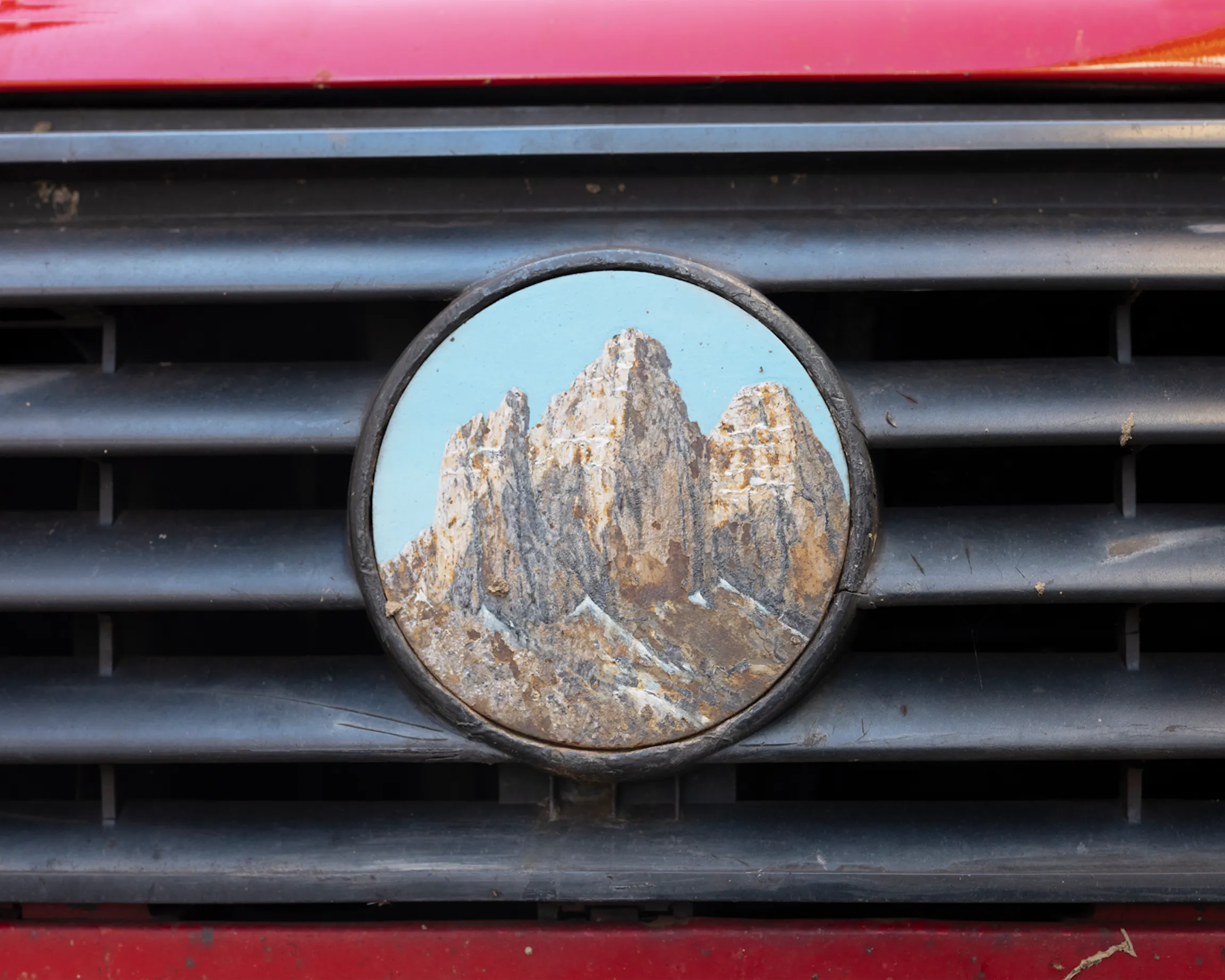
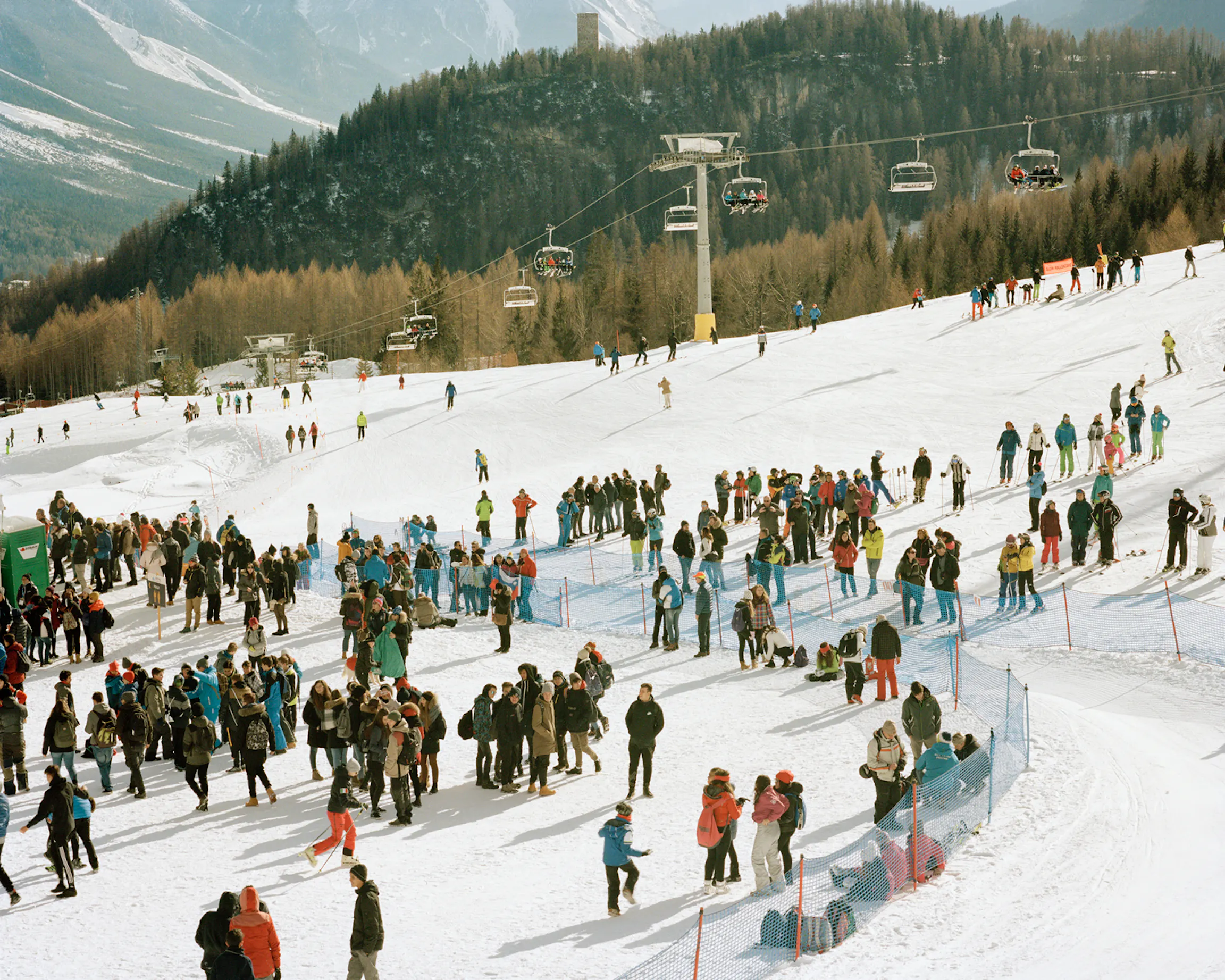
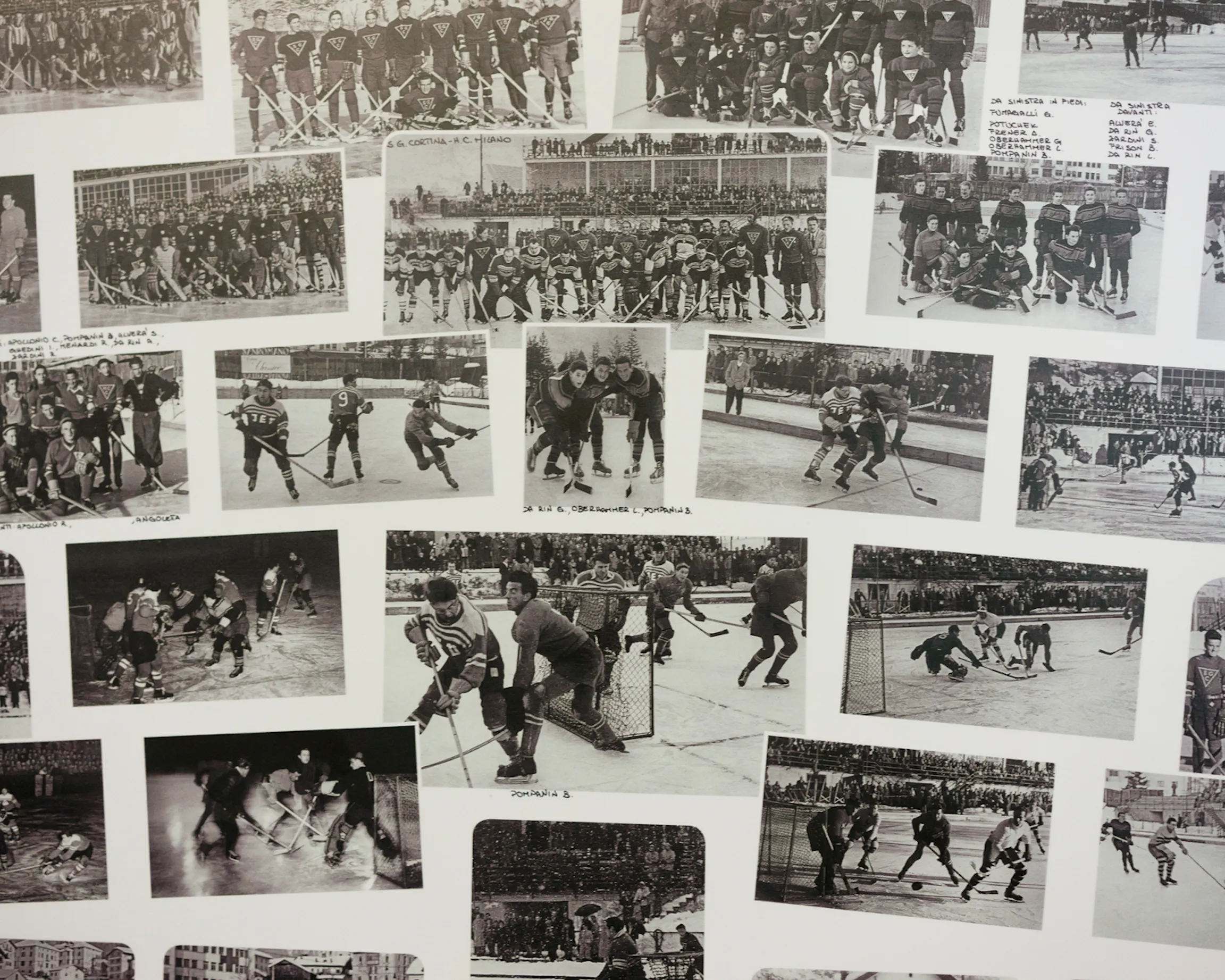
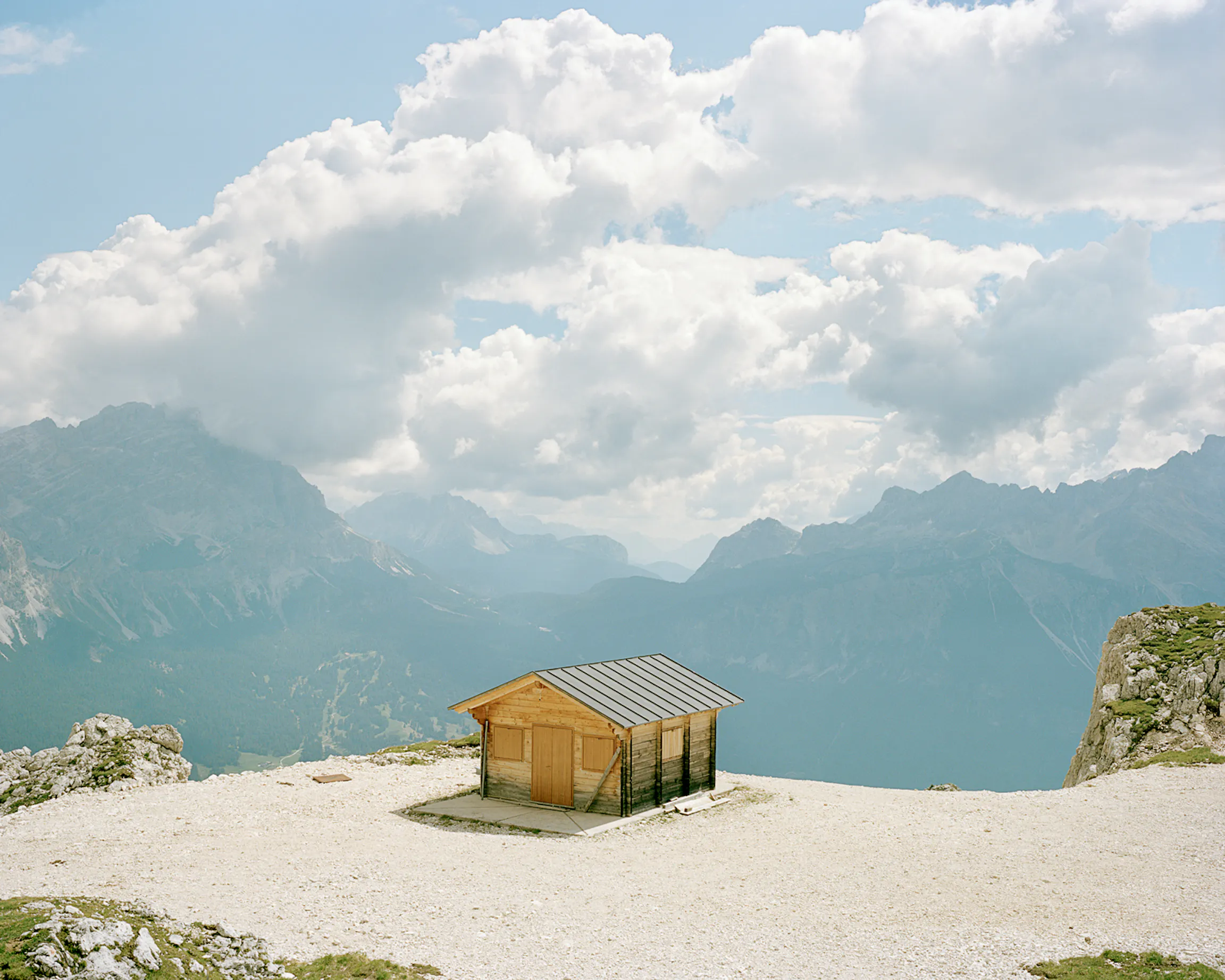
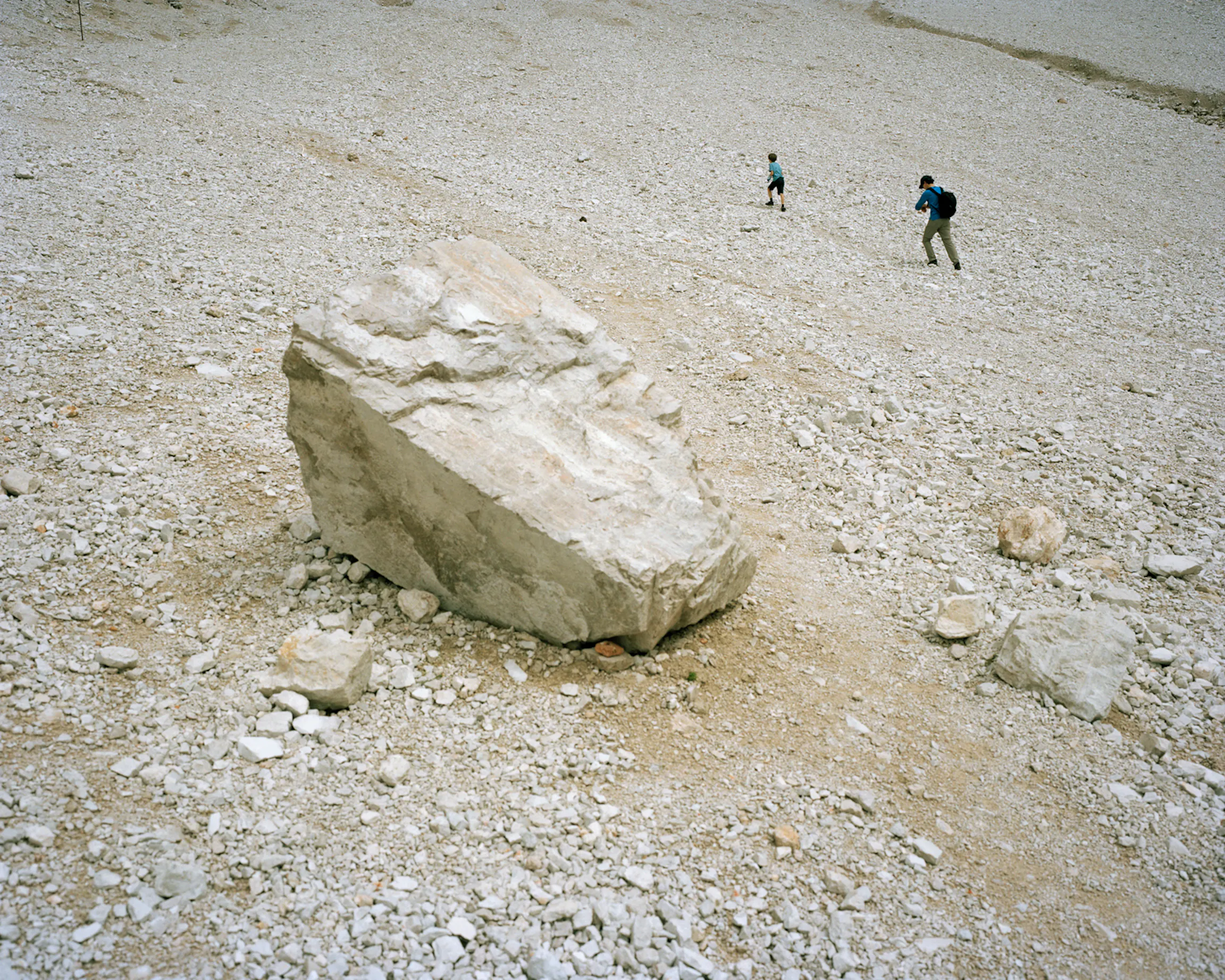
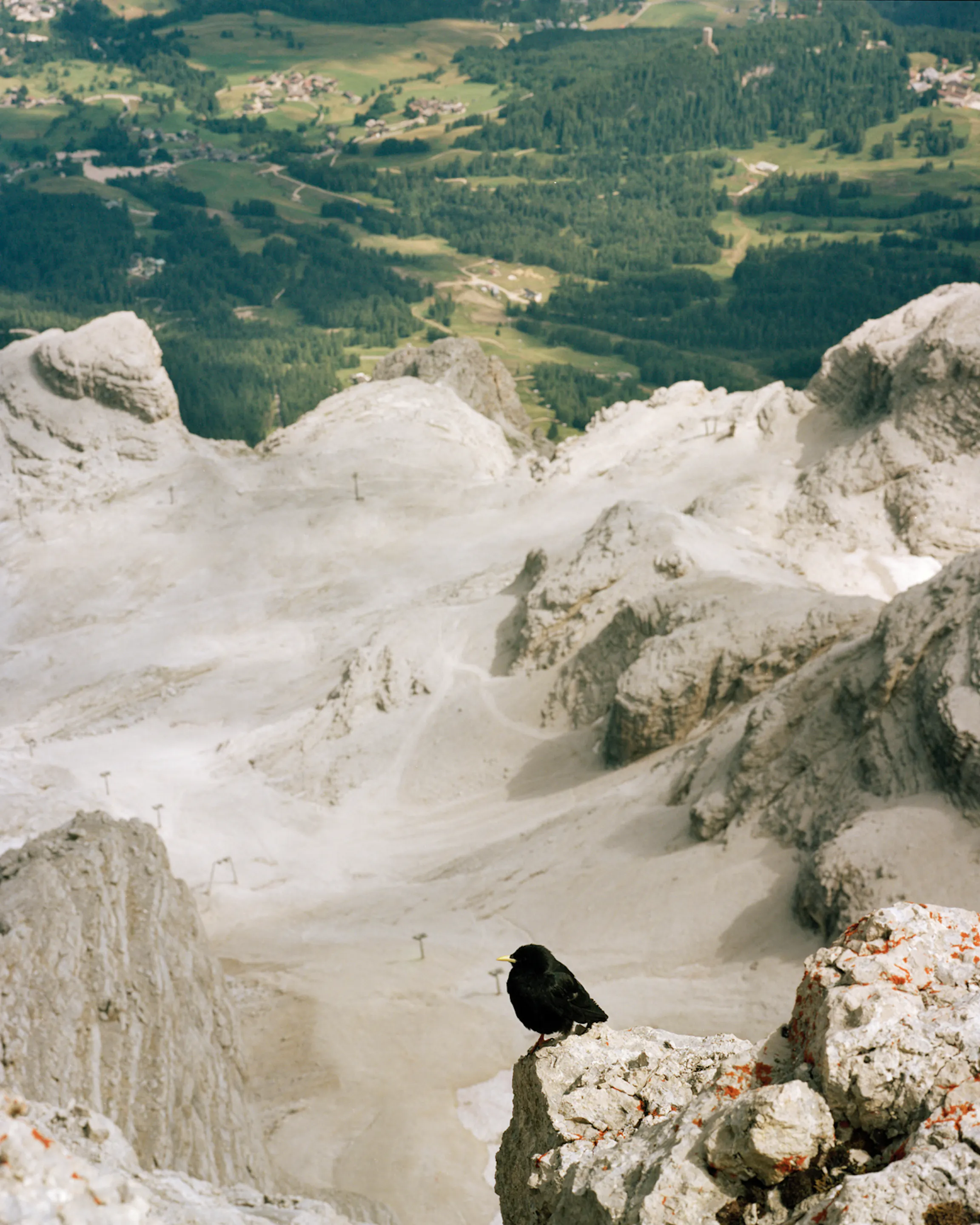
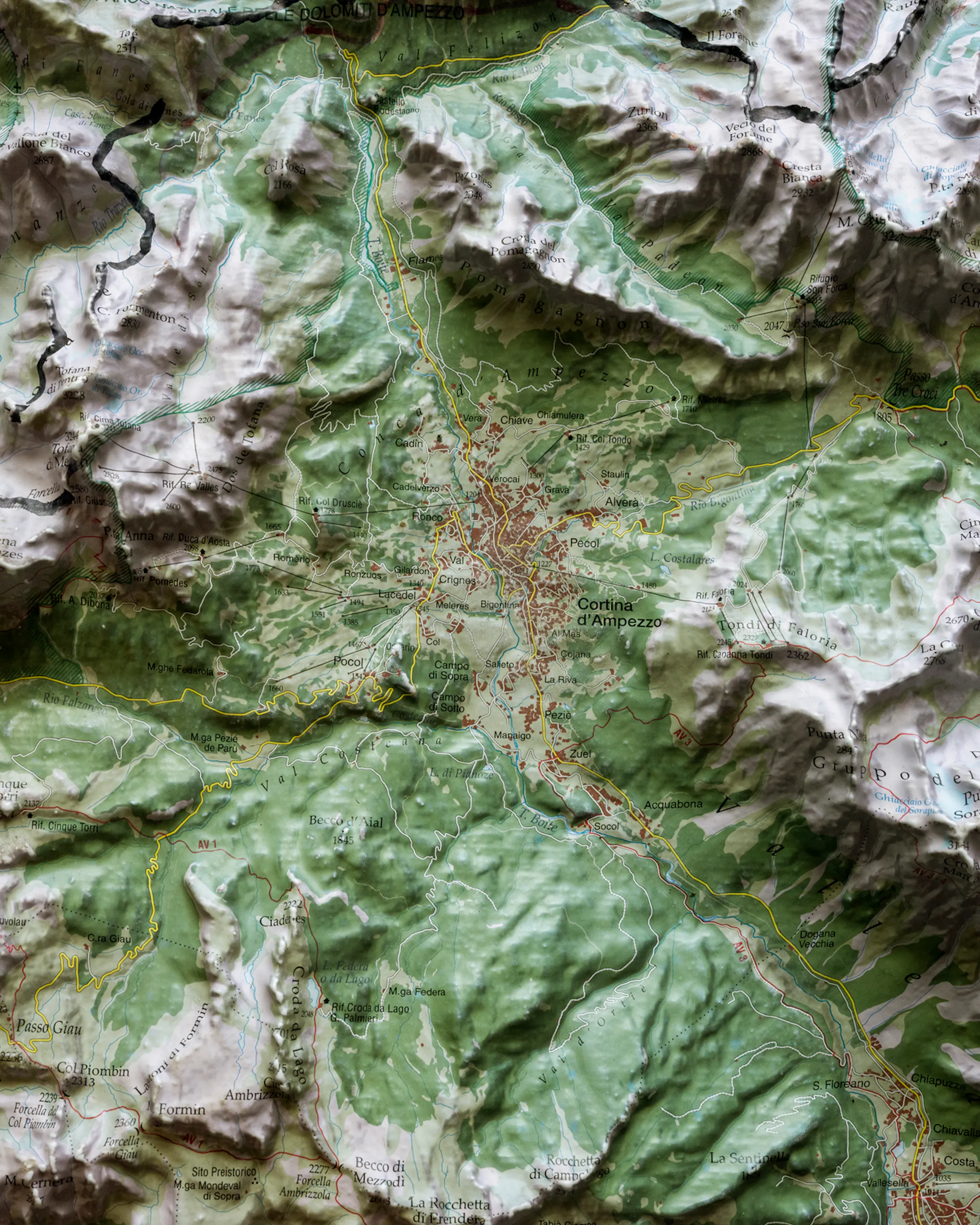
Osservatorio Cortina 2021 is an artistic research project in which the territory and the events planned for the 2021 Alpine Ski World Championship in Cortina were examined through photography. In their artistic research, which took three years, two artists, Gianpaolo Arena and Marina Caneve, documented the key moments in the construction of the sports event, while at the same time observing the territory and its history with an open, inquisitive, and exploratory attitude, seeking links between sports and the territory.
Cortina’s shared imaginary often reproduces iconic expectations that support the wishes of its visitors, rather than offering new keys to interpretation for its territory and society. Can this approach be offset by offering renewed attention to a landscape that has become a sort of crystallized icon within an image?
This study involved the work of the creative agency Vulcano that supported the project from the start. Its intention was to trigger a new process of cross-pollination, aimed at developing a more complete gaze over Cortina and its territory, through contemporary photography.
Osservatorio Cortina 2021 è un progetto di ricerca artistica in cui, attraverso l’uso della fotografia, sono stati investigati il territorio e l’arco temporale ove sono andati costituendosi i Campionati del mondo di sci alpino di Cortina 2021. Nella ricerca artistica, durata tre anni, due autori, Gianpaolo Arena e Marina Caneve, da un lato hanno documentato i momenti chiave della costruzione dell’evento sportivo, dall’altro hanno guardato al territorio e alla sua storia con un atteggiamento aperto, curioso ed esplorativo, ricercando le tracce del legame tra sport e territorio.
Di Cortina, l’immaginario comune riproduce spesso aspettative iconiche che assecondano i desideri dei visitatori, piuttosto che fornire nuove chiavi di lettura del territorio e della società. È possibile contrastare questo atteggiamento prestando una rinnovata attenzione a un paesaggio che è quasi diventato un’icona cristallizzata all’interno di un’immagine?
Questa indagine ha visto il coinvolgimento dell’agenzia creativa Vulcano che ha sostenuto fin da subito il progetto con l’intenzione di innescare un nuovo processo di contaminazione, finalizzato a sviluppare uno sguardo più completo su Cortina e sul suo territorio, attraverso la fotografia contemporanea.